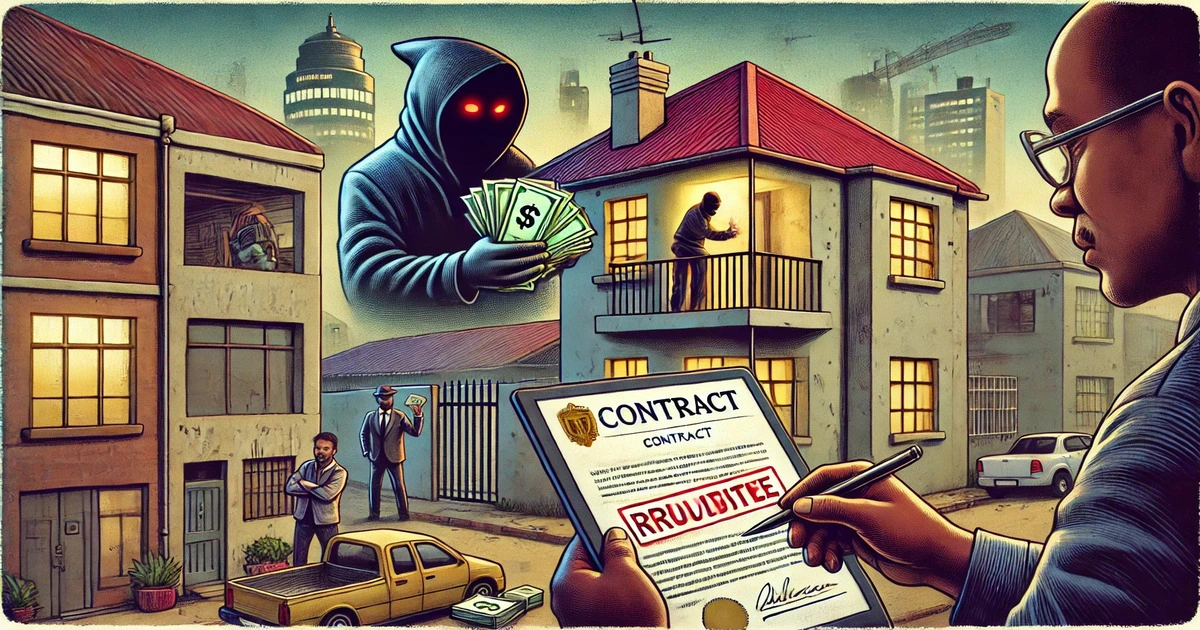
Why More South African Landlords Are Ditching Agents and Going Solo
In recent years, there has been a noticeable shift in the property rental sector. More South African landlords are ditching agents and going solo when it comes to managing their investments.
The decision is not just about saving money, but also about gaining control, improving tenant relationships, and maximising returns. This change is transforming how property is rented, especially in competitive urban markets like Johannesburg, Cape Town, and Durban.
The key phrase “Why More South African Landlords Are Ditching Agents and Going Solo” highlights the growing trend of independence among landlords. We will explore the driving forces behind this shift, the advantages of self-management, the challenges to be aware of, and why it continues to gain traction.
Rising Costs of Letting Agents
One of the strongest reasons Why More South African Landlords Are Ditching Agents and Going Solo is the rising cost of agency fees.Letting agents typically charge between 8% and 12% of monthly rental income, sometimes more if additional services are included.
For landlords with multiple properties, these fees eat into profitability. In a climate where landlords are already dealing with higher maintenance costs, property taxes, and compliance requirements, cutting out the agent becomes an attractive way to improve margins.
Technology is Empowering Landlords
Digital platforms and apps are making it easier than ever for landlords to manage their rental properties on their own. Online property listing websites allow landlords to advertise directly to tenants without needing an intermediary.
Tenant screening services, electronic lease agreements, and online rent collection tools have streamlined what was once seen as a complex process. This technological convenience is one of the reasons Why More South African Landlords Are Ditching Agents and Going Solo.
Direct Control Over Tenants
Landlords often find that dealing directly with tenants improves communication and reduces misunderstandings. Without an agent acting as an intermediary, landlords can handle queries, inspections, and disputes more efficiently.
For many landlords, being hands-on builds trust and accountability. They can also act faster when it comes to repairs, rent collection, or addressing concerns.
This sense of control explains Why More South African Landlords Are Ditching Agents and Going Solo.
Better Financial Returns
Self-managing a rental property means landlords keep 100% of their rental income. While this comes with added responsibility, the financial rewards are clear.
Instead of losing thousands each year in commissions and service fees, landlords can reinvest in their properties or grow their portfolios.
Especially in areas where rental yields are tight, even a small saving can make the difference between a profitable property and a financial burden. This economic incentive is a significant reason Why More South African Landlords Are Ditching Agents and Going Solo.
Greater Knowledge of Legal Rights
Many landlords once relied heavily on agents for guidance with leases, tenant disputes, and eviction procedures.
Today, resources like landlord associations, legal helplines, and online templates provide the same support at a fraction of the cost.
With access to South Africa’s Rental Housing Act, Consumer Protection Act, and other landlord-tenant laws, landlords can manage their properties confidently.
Legal awareness is another reason Why More South African Landlords Are Ditching Agents and Going Solo.
Flexibility in Decision-Making
Agents often use standardised processes and policies. While this can be efficient, it can also limit a landlord’s ability to adapt to unique tenant situations.
By going solo, landlords can be more flexible with rental increases, payment plans, or maintenance arrangements. They can also choose tenants based on their own criteria rather than relying on agency procedures.
This flexibility is part of Why More South African Landlords Are Ditching Agents and Going Solo.
Common Challenges of Going Solo
While the trend is growing, landlords need to be aware of potential challenges. Managing a property takes time and effort. Tasks include:
- Screening tenants thoroughly.
- Drafting and signing lease agreements.
- Collecting rent and chasing arrears.
- Handling maintenance and repairs.
- Staying compliant with South African rental laws.
Landlords who go solo without preparation risk running into disputes, missed payments, or compliance issues. However, with proper planning and access to resources, these challenges can be managed effectively.
The Growth of Landlord Communities
Another reason for the trend is the rise of landlord associations and online communities. Platforms such as the Landlords Association of South Africa provide legal templates, advice, and networking opportunities.
This sense of support gives landlords confidence to operate independently.
With resources at their fingertips, they feel less reliant on agents and more empowered to handle property management themselves.
Financial Pressures and the Economy
South Africa’s economic climate plays a significant role in why landlords are going solo. With interest rate hikes, rising inflation, and pressure on household incomes, many landlords are cutting costs wherever possible.
Letting agents are a luxury some landlords can no longer afford. The need to maximise rental returns in a tough economy is driving Why More South African Landlords Are Ditching Agents and Going Solo.
A Shift in Attitudes
Traditionally, agents were seen as the only professional way to manage a property. Today, that perception is changing. Landlords are realising that with the proper knowledge and tools, they can manage properties just as effectively, often with better outcomes.
This cultural shift in how landlords view property management is accelerating the trend. Independence is no longer seen as risky but as brilliant and financially rewarding.
Practical Tips for Going Solo
For landlords considering the switch, here are practical steps to succeed:
- Use trusted platforms to advertise rental properties.
- Screen tenants carefully with credit checks and references.
- Keep detailed written lease agreements that comply with South African law.
- Stay updated on legal obligations under the Rental Housing Act.
- Set up a reliable system for rent collection and arrears management.
- Keep a budget for maintenance and unexpected repairs.
- Join a landlord association for ongoing support and resources.
Future of Property Management in South Africa
The trend shows no signs of slowing down. As technology continues to advance and landlord resources become more accessible, more landlords are expected to manage their own properties.
Agencies will still have a role, especially for landlords who live far from their properties or have extensive portfolios. But for many, the benefits of independence outweigh the convenience of an agent.
Why More South African Landlords Are Ditching Agents and Going Solo is not just a fad, it represents a fundamental change in how property investment is approached.
FAQs
Do landlords in South Africa need an agent by law?
No, there is no legal requirement to use an agent. Landlords are free to manage their properties directly, provided they comply with the Rental Housing Act and other relevant laws.
How do landlords collect rent without an agent?
Landlords can use direct bank transfers, debit orders, or property management apps. Many prefer online payments for accountability and record-keeping.
What happens if a tenant refuses to pay rent?
The landlord can issue a formal notice and, if necessary, apply for eviction through the Rental Housing Tribunal or the courts. Going solo requires landlords to be familiar with these procedures.
Is going solo suitable for new landlords?
Yes, but preparation is key. New landlords should use available resources, join associations, and make sure their lease agreements are legally sound.
Can a landlord switch back to an agent later?
Yes, landlords can hire an agent at any stage. Many landlords test self-management first and only use agents if the workload becomes overwhelming.
Conclusion
Why More South African Landlords Are Ditching Agents and Going Solo comes down to cost savings, technology, and empowerment. With rising fees, a challenging economy, and more resources available, landlords are realising they can manage properties successfully on their own.
This growing trend is reshaping the rental market in South Africa. It offers landlords not only better financial returns but also greater control, flexibility, and independence. While challenges exist, the benefits are too significant to ignore.
Don’t go through it alone — South Africa’s landlords stand together.
When you join the Landlords Association of South Africa, you gain more than just membership you gain a powerful network of support. From expert legal advice and vital landlord resources to guidance on dealing with problem tenants, we stand with you every step of the way.
For just 2 rand a day, you can access professional advice, proven tools, and a community that understands the challenges of both commercial and residential property management.
Join today and experience the confidence of knowing you’re never facing it alone.
Our Top Read Blogs:
How to Sell a House in South Africa Fast
Complete Process of Tenant Eviction in South Africa
What Can I Do If A Tenant Is Neglecting My Property
Useful External Links
Disclaimer:
This post is for general use only and is not intended to offer legal, tax, or investment advice; it may be out of date, incorrect, or maybe a guest post. You are required to seek legal advice from a solicitor before acting on anything written hereinabove.