Rental Property Checklist: From Advertising to Collecting Rent
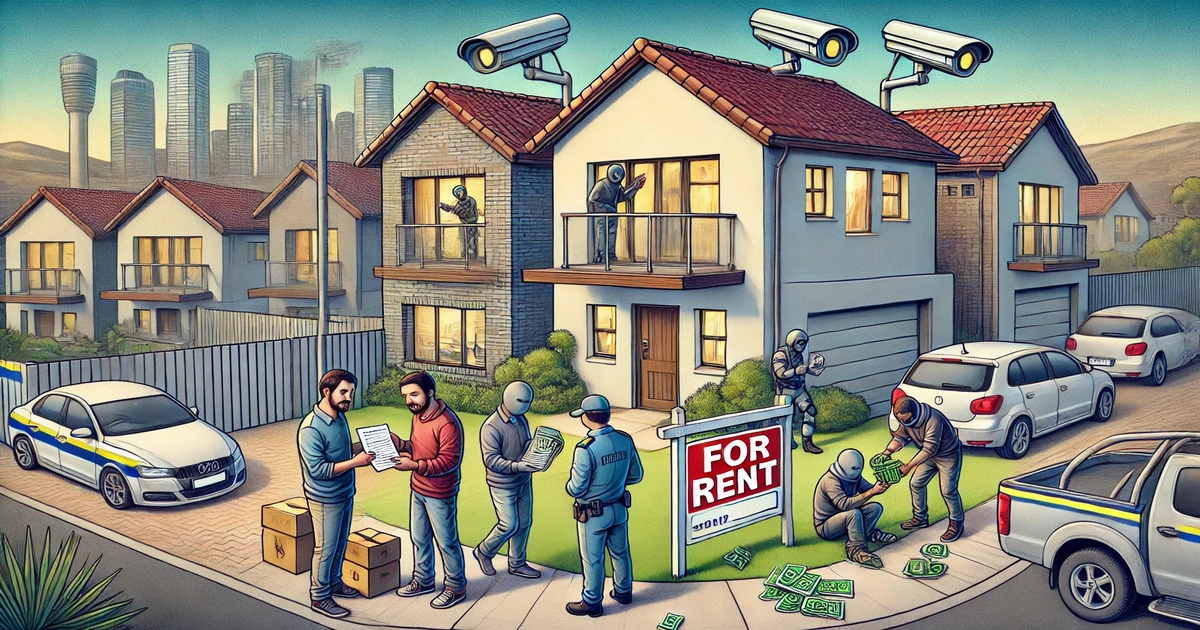
Owning rental property in South Africa can be rewarding, but it comes with responsibilities that landlords cannot ignore. Having a clear rental property checklist ensures you stay compliant with South African law, protect your investment, and create a positive rental experience for tenants.
From advertising to collecting rent, each step plays a crucial role.
Preparing Your Property for Tenants
Before listing a property, landlords must ensure it is habitable and legally compliant. Under the Rental Housing Act, landlords are required to provide safe, well-maintained accommodations.
A complete inspection should be carried out to check electrical wiring, plumbing, locks, and security gates. An electrical compliance certificate is compulsory when renting out property, and gas installations, if any, must be certified as safe.
Deep cleaning and ensuring pest control is done can make the property more attractive to potential tenants.
Setting the Right Rental Price
Pricing property in South Africa requires research. A well-structured rental property checklist should always include market comparison. Review listings in your area to ensure your rent is competitive. Factors such as location, nearby schools, public transport, and security measures influence rent levels.
Your rental price must also consider monthly costs like rates, levies, maintenance, and insurance. Charging the correct amount ensures your property does not sit vacant while still covering expenses.
Advertising the Property Effectively
Advertising is the first step to finding tenants. Professional photos and accurate descriptions help attract serious applicants. A good advertisement should highlight unique features such as fibre internet readiness, backup power, water storage, or secure parking—features that are in high demand in South Africa.
Placing adverts on leading property portals, social media, and through local community groups increases visibility. Including clear terms, such as rent amount, deposit required, and whether pets are allowed, saves time when dealing with applicants.
Screening Tenants Properly
One of the most essential elements of a rental property checklist is thorough tenant screening. South African landlords often face issues with late payments, so due diligence is necessary.
Always request proof of income, usually three months’ payslips or bank statements. Contact previous landlords for references to check payment history and behaviour. Credit checks should be conducted through registered credit bureaus, and where necessary, request a surety or guarantor.
Careful screening reduces the risk of arrears and disputes later.
Drafting a Legally Compliant Lease Agreement
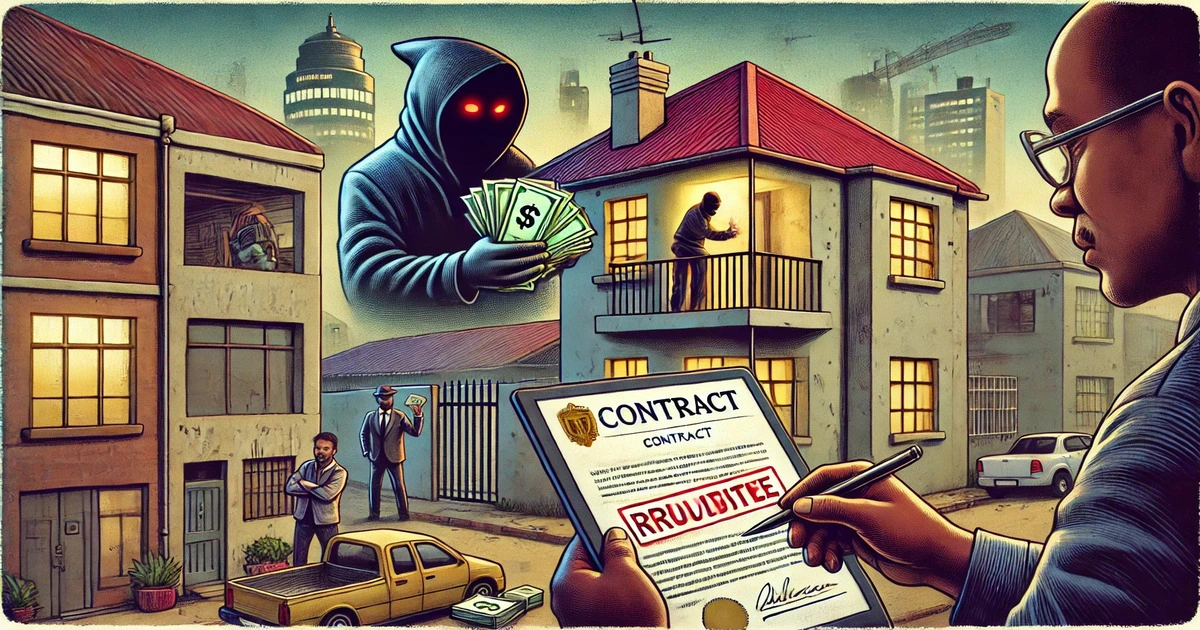
The lease agreement is the backbone of the landlord-tenant relationship. South African law, particularly the Consumer Protection Act, requires lease agreements to be in writing and in plain language.
The agreement must include rent amount, payment dates, deposit terms, duration of the lease, and conditions for renewal or termination. It should also outline repair responsibilities, rules around subletting, and maintenance obligations. Deposits must be placed in an interest-bearing account, with interest accruing to the tenant.
By ensuring the lease is transparent and compliant, disputes can be avoided.
Deposits and First Month’s Rent
No keys should be handed over until the deposit and first month’s rent are secured. Deposits protect landlords against damages or unpaid rent, and South African law requires them to be refunded with interest at the end of the lease, less any lawful deductions.
Always issue a written receipt for deposits and rent payments. This keeps the process transparent and helps with record-keeping.
Entry and Exit Inspections
The Rental Housing Act makes entry and exit inspections compulsory. Before the tenant moves in, conduct a joint inspection and record the condition of the property. Photographs and signed reports should form part of your rental property checklist.
At the end of the lease, another joint inspection determines whether damages exist beyond fair wear and tear. These records are essential when handling deposit refunds or disputes.
Rent Collection and Record Keeping
Once tenants have moved in, regular rent collection becomes the focus. Encourage electronic payments via debit order or EFT for a clear record. Rent must be paid on the agreed date every month, and landlords should provide receipts.
If a tenant falls behind, issue written notices in accordance with the lease agreement. Persistent arrears may require escalation to the Rental Housing Tribunal or the courts, but following proper legal procedures is vital to avoid unlawful eviction claims.
Maintaining organised rent records ensures compliance with tax obligations and supports financial planning.
Maintenance and Repairs
South African landlords are legally obliged to keep properties habitable. This includes maintaining plumbing, electrical systems, roofing, and ensuring overall safety. Tenants, in turn, must report problems and maintain cleanliness.
Emergency repairs such as burst geysers or security breaches must be attended to urgently.
Routine inspections every three to six months help catch minor issues before they become expensive.
A professional approach to maintenance encourages tenants to stay longer and take better care of the property.
Periodic Inspections and Tenant Relations
Respectful communication and inspections form part of good management. Landlords must give tenants reasonable notice before entering the property. Keeping communication professional ensures disputes are minimised.
Good relationships often mean tenants pay on time and renew leases, reducing costly vacancies.
Lease Renewal, Rent Increases, and Ending Tenancies
A reliable tenant is an asset. Offering lease renewal well before expiry helps avoid unnecessary vacancies. Rent increases must be reasonable and in line with market conditions, while giving tenants the correct notice period.
When ending a tenancy, proper notice must be given, and the exit inspection should be completed. Handling these processes according to the law protects landlords from disputes.
Using Technology for Easier Management
Modern landlords in South Africa are increasingly using digital solutions to streamline management. Online rental payment systems, digital lease signing, and maintenance request platforms reduce administrative burden.
Keeping records in cloud storage ensures documents such as lease agreements, compliance certificates, and rent receipts are safe and accessible.
FAQs
What should be included in a rental property checklist in South Africa?
It should cover advertising, tenant screening, lease agreements, deposit management, inspections, rent collection, maintenance, and compliance with the Rental Housing Act.
Is a written lease mandatory in South Africa?
Yes, under the Consumer Protection Act, lease agreements must be in writing and in plain language.
How much deposit can a landlord charge?
Most landlords charge one to two months’ rent as a deposit, which must be kept in an interest-bearing account.
What happens if a tenant refuses to pay rent?
Landlords must issue notices in line with the lease and can approach the Rental Housing Tribunal or courts for lawful eviction if arrears persist.
Do landlords have to do entry and exit inspections?
Yes, these are compulsory under the Rental Housing Act and protect both landlord and tenant when handling deposits.
Conclusion
A detailed rental property checklist is essential for every South African landlord. From preparing the property and advertising effectively to conducting inspections and collecting rent, each stage builds towards a successful tenancy.
By following the law and maintaining professionalism, landlords can protect their investment while offering tenants a safe and fair rental experience.
Don’t go through it alone — South Africa’s landlords stand together.
When you join the Landlords Association of South Africa, you gain more than just membership; you gain a robust network of support. From expert legal advice and vital landlord resources to guidance on dealing with problem tenants, we stand with you every step of the way.
For just 2 rand a day, you can access professional advice, proven tools, and a community that understands the challenges of both commercial and residential property management.
Join today and experience the confidence of knowing you’re never facing it alone.
Our Top Read Blogs:
How to Sell a House in South Africa Fast
Disclaimer:
This post is for general use only and is not intended to offer legal, tax, or investment advice; it may be out of date, incorrect, or maybe a guest post. You are required to seek legal advice from a solicitor before acting on anything written hereinabove.