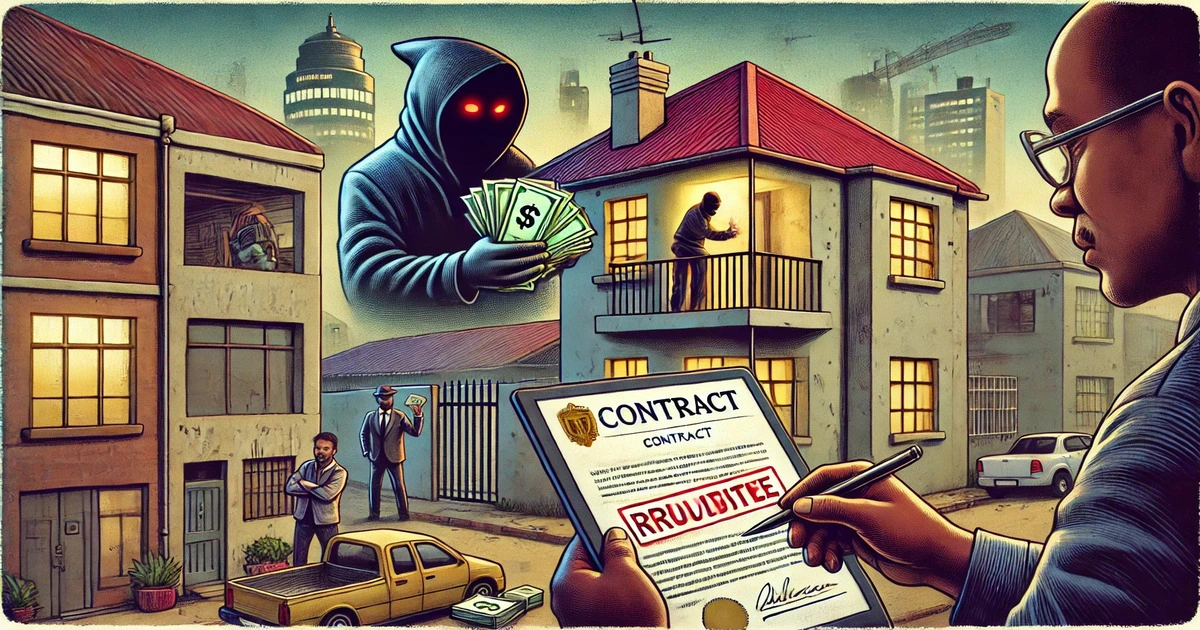
The Best Way to Handle Problem Tenants Without a Managing Agent in South Africa
Being a landlord in South Africa without the services of a managing agent can be rewarding, but it also comes with challenges, especially when you encounter problem tenants.
Issues such as late rent payments, property damage, disruptive behaviour, or refusal to vacate can quickly escalate if not handled correctly.
Knowing the best way to handle problem tenants without a managing agent ensures that you protect your property investment while remaining compliant with South African law.
Understanding Your Rights and Responsibilities as a Landlord
Before dealing with problem tenants, it is crucial to understand your rights and obligations. Under the Rental Housing Act, landlords must provide habitable accommodation, maintain the property, and comply with lease agreements.
At the same time, tenants are required to pay rent on time, look after the property, and respect neighbours’ rights.
When problems arise, a landlord who is not using a managing agent must rely on clear documentation, proper legal processes, and a firm but fair approach. This forms the foundation of handling tenants effectively.
Common Issues Landlords Face With Tenants
When managing your rental directly, you may face various challenges:
- Late or Non-Payment of Rent – The most common issue for landlords.
- Property Damage – Neglect or intentional damage beyond normal wear and tear.
- Illegal Subletting – Tenants letting out rooms without permission.
- Noise and Nuisance Complaints – Disrupting neighbours or the community.
- Refusal to Vacate – Overstaying after lease expiry or termination.
Understanding these scenarios helps landlords act swiftly and appropriately.
Preventing Tenant Problems Before They Arise
The best way to handle problem tenants without a managing agent is to prevent issues before they occur. Prevention is always less costly and stressful than dispute resolution.
- Screen Tenants Thoroughly – Check employment, references, credit history, and affordability before signing a lease.
- Use a Strong Lease Agreement – A detailed written lease compliant with South African law ensures clear obligations and remedies.
- Conduct a Property Condition Report – Document the property’s state at move-in with photos and an inventory.
- Set Clear Expectations – Communicate payment dates, rules on noise, maintenance, and visitor policies upfront.
By laying this groundwork, you reduce the likelihood of future disputes.
Handling Late Rent Payments
When tenants fail to pay rent on time, landlords must act promptly. The Rental Housing Act and the Consumer Protection Act provide guidance on handling arrears legally.
Steps to follow include:
- Issue a Written Notice – Inform the tenant in writing about outstanding rent and provide a grace period to pay.
- Negotiate Where Possible – If tenants face genuine hardship, consider a payment plan rather than rushing to eviction.
- Keep Detailed Records – Document all Communication, payment reminders, and arrears to use later if legal action is required.
If rent is continually unpaid, landlords may issue a notice of breach of lease and pursue eviction through the courts or the Rental Housing Tribunal.
Addressing Property Damage
Property damage by tenants can cause significant financial loss. Without a managing agent, you must take control directly.
- Conduct Regular Inspections – Include inspection rights in your lease and schedule them legally with proper notice.
- Use the Deposit – South African law requires deposits to be placed in an interest-bearing account. After damages, landlords may deduct repair costs reasonably.
- Document Evidence – Take photographs, obtain quotes, and create a written record of damages.
If damages exceed the deposit, landlords may pursue legal action for recovery.
Dealing With Disruptive Behaviour
Problem tenants may disturb neighbours or engage in illegal activity. This not only threatens your property but also risks complaints against you as the landlord.
Steps to follow:
- Issue Warnings – Provide written warnings citing the specific breaches.
- Involve Community Structures – Body corporates, sectional title managers, or neighbourhood committees may assist.
- If behaviour continues, landlords can terminate the lease for breach and apply to the courts for eviction.
Acting quickly prevents minor disturbances from turning into larger disputes.
Handling Tenants Who Refuse to Vacate
One of the most stressful issues is when tenants refuse to leave after a lease ends or after termination. South African law protects tenants from illegal evictions, meaning landlords must follow due process.
- Serve Proper Notice – Provide written notice of termination in line with the lease and legislation.
- Apply to the Rental Housing Tribunal – The Tribunal can mediate disputes and issue rulings.
- Seek a Court Eviction Order – Only a court can grant an eviction order, and the Sheriff must execute it.
Attempting a “DIY eviction” by changing locks or cutting off utilities is unlawful and may result in penalties against the landlord.
Using the Rental Housing Tribunal
The Rental Housing Tribunal is a free and accessible body for landlords and tenants to resolve disputes. It can handle complaints relating to non-payment of rent, deposit disputes, property maintenance, or unlawful evictions.
For landlords without a managing agent, this is a powerful tool. The Tribunal’s rulings carry the force of law and can save time and costs compared to lengthy court proceedings.
Maintaining Professionalism Without a Managing Agent
One of the challenges of self-managing is balancing personal involvement with professionalism. Unlike managing agents, you are directly engaging with tenants, which can lead to emotional reactions.
Best practices include:
- Keep Communication Written – Always confirm agreements, complaints, and notices in writing.
- Stay Calm and Neutral – Do not engage in arguments or personal disputes.
- Rely on the Lease and Law – Always fall back on what is written in the lease and the legal framework.
- Seek Legal Advice Early – If unsure, consult a property lawyer or landlord association before acting.
Maintaining professionalism ensures that disputes are handled effectively and without escalation.
Benefits of Handling Tenants Yourself
While managing agents offer convenience, self-management provides unique advantages:
- Cost Savings – No monthly management fees.
- Direct Oversight – You know exactly what is happening with your property.
- Closer Relationship With Tenants – Some issues are resolved more quickly through direct Communication.
- Legal Knowledge Growth – Over time, landlords become more confident in handling disputes.
When managed well, self-management can be both empowering and financially beneficial.
FAQs
What is the best way to handle problem tenants without a managing agent?
The best way is to use a strong lease, document everything, address issues promptly, and follow the Rental Housing Act. Always use legal processes, such as the Rental Housing Tribunal or the courts, when necessary.
Can I evict a tenant myself in South Africa?
No. Only a court order enforced by the Sheriff can legally evict a tenant. Attempting to evict without this is illegal.
What can I do if a tenant refuses to pay rent?
Issue written notices, keep records, and apply to the Tribunal or court for an eviction order if the breach is not remedied.
How do I deal with damage caused by tenants?
Use the deposit for repairs, keep photographic evidence, and claim additional costs through legal action if necessary.
Do I need a lease agreement if I am managing my property myself?
Yes. A detailed, legally compliant lease is your strongest protection against disputes.
Conclusion
For landlords in South Africa, knowing the best way to handle problem tenants without a managing agent is essential for protecting property, income, and peace of mind.
By focusing on prevention through strong leases and screening, acting swiftly when problems arise, and using the legal avenues available, landlords can successfully self-manage their properties.
While it requires effort and knowledge, direct management offers control and cost savings. By remaining professional and following the law, landlords can resolve tenant disputes fairly and effectively.
Don’t go through it alone — South Africa’s landlords stand together.
When you join the Landlords Association of South Africa, you gain more than just membership; you gain a powerful network of support. From expert legal advice and vital landlord resources to guidance on dealing with problem tenants, we stand with you every step of the way.
For just 2 rand a day, you can access professional advice, proven tools, and a community that understands the challenges of both commercial and residential property management.
Join today and experience the confidence of knowing you’re never facing it alone.
Our Top Read Blogs:
How to Sell a House in South Africa Fast
Complete Process of Tenant Eviction in South Africa
What Can I Do If A Tenant Is Neglecting My Property
Useful External Links
Disclaimer:
This post is for general use only and is not intended to offer legal, tax, or investment advice; it may be out of date, incorrect, or maybe a guest post. You are required to seek legal advice from a solicitor before acting on anything written hereinabove.