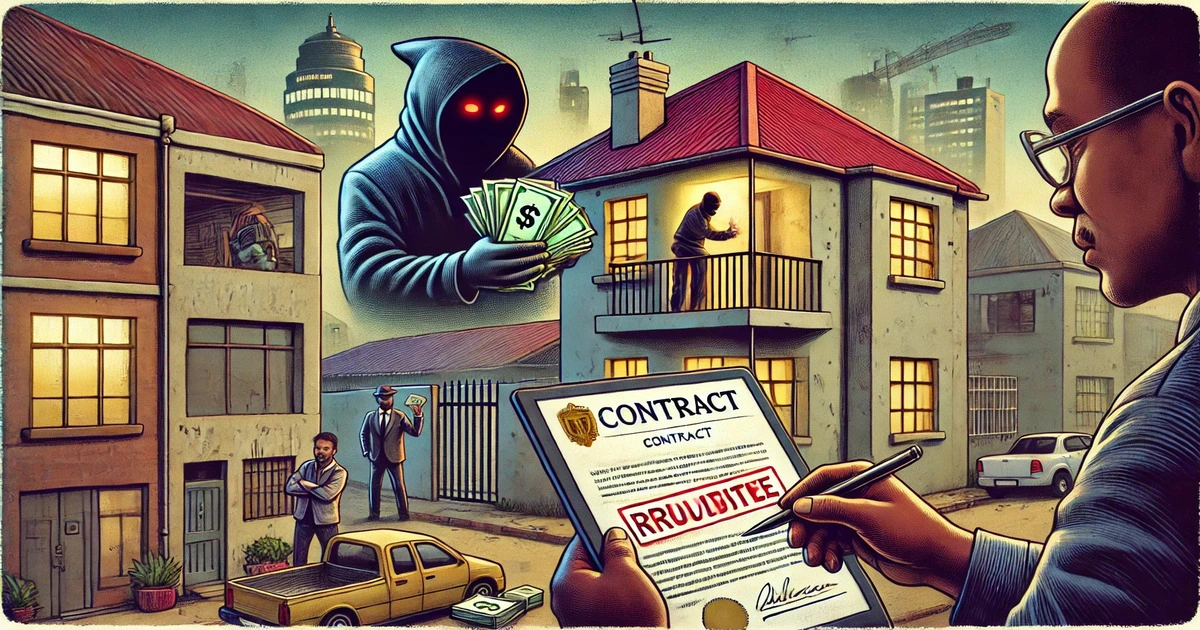
What is the best way to collect rent and handle late payments in South Africa?
Managing rental income is the foundation of property investment success. As landlords, we rely on consistent cash flow to cover expenses and generate profit.
The question many landlords ask is simple: What is the best way to collect rent and handle late payments? In South Africa, the answer involves a combination of legal compliance, practical systems, and firm but fair management.
Why rent collection systems matter
When landlords have no clear rent collection system, problems quickly follow. Missed payments, delayed transfers, and tenant excuses can disrupt financial planning.
South African law, especially the Rental Housing Act and the Consumer Protection Act, requires landlords to be transparent and fair in setting payment rules. A solid system protects both landlords and tenants.
The best methods to collect rent
The best way to collect rent and handle late payments begins with choosing a reliable payment method.
Bank transfer and EFT
Electronic transfers are the most common method in South Africa. They leave a clear record of payments and reduce disputes. Tenants can schedule recurring payments for convenience.
Debit order
This is one of the most reliable systems. The rent is automatically deducted from the tenant’s account on the due date. It requires consent, but once set up, it prevents delays and excuses.
Cash payments
Cash is risky and not recommended. If used, landlords must provide receipts and keep records. Many disputes arise when money changes hands without proof.
Mobile payment platforms
Digital platforms such as SnapScan or PayFast are becoming more common. They offer speed and convenience, but transaction fees must be considered.
Lease agreement and rent terms
The lease agreement is the backbone of rent collection. It must specify:
- The due date for rent.
- The grace period, if any.
- Late payment penalties or interest.
- The exact payment method and details.
A watertight lease removes confusion and gives landlords legal protection if the tenant defaults.
How to deal with late payments
Even the best systems cannot always prevent late payments. The best way to collect rent and handle late payments is to follow a consistent process.
Reminder
If rent is late, send a polite reminder immediately. Many tenants pay after being reminded.
Written notice
If payment is not made, issue a written notice referencing the lease. State the amount owed, late fees, and the deadline.
Penalties
Apply agreed penalties or interest to discourage repeat offences.
Escalation
If non-payment continues, escalate the matter to the Rental Housing Tribunal or seek legal help. Persistent arrears can justify lease cancellation.
Legal protections for landlords
South African law protects landlords but also restricts unlawful actions. Landlords may not cut off utilities or lock tenants out. Instead, the lawful process must be followed.
Steps include issuing notices, allowing tenants to remedy the breach, and, if necessary, cancelling the lease formally.
If eviction becomes essential, landlords must apply through the courts or the Rental Housing Tribunal.
Preventing late rent
Prevention saves time and stress. Landlords can reduce late payments by:
- Screening tenants carefully.
- Offering debit order systems.
- Maintaining good communication.
- Ensuring rent is affordable based on tenant income.
These steps make it less likely that tenants will fall behind.
When more decisive action is needed
If tenants repeatedly pay late, landlords must consider ending the lease. Repeated arrears harm cash flow and create unnecessary stress.
Landlords should issue notices, keep records of non-payment, and if needed, take the matter to the Tribunal or court. Having evidence of multiple late payments strengthens the case.
Role of the Rental Housing Tribunal
The Rental Housing Tribunal is a free service available to both landlords and tenants. For landlords, it is a practical way to enforce agreements and resolve disputes without expensive court processes.
The Tribunal can address late payments, arrears disputes, and lease enforcement. Using this option shows professionalism and protects the landlord’s rights.
Balancing firmness and fairness
The best landlords are firm but fair. If a tenant has a temporary financial difficulty, it may be better to agree on a payment plan than to start legal action immediately.
However, landlords must avoid allowing arrears to build up to unmanageable levels. Professional, consistent action is always the best approach.
Conclusion
What is the best way to collect rent and handle late payments in South Africa? The answer lies in combining secure payment methods, a watertight lease, and professional management.
Bank transfers and debit orders are the safest options. Cash should be avoided.
When payments are late, landlords must act quickly with reminders, notices, and penalties. If arrears continue, legal routes such as the Tribunal or courts provide protection.
A balance of firmness and fairness ensures landlords maintain income while treating tenants with respect.
FAQs
What is the most reliable rent collection method in South Africa?
Debit orders and bank transfers are the most reliable because they leave clear records and reduce excuses.
Can landlords charge late payment penalties?
Yes, provided they are clearly stated in the lease and are reasonable under consumer law.
What should I do if a tenant does not pay rent at all?
Follow the legal process by issuing notices, then escalate to the Rental Housing Tribunal or court for eviction.
Can I disconnect utilities if tenants don’t pay rent?
No. This is unlawful in South Africa. Only the courts or the Tribunal can grant eviction orders.
How can landlords prevent late payments?
Careful tenant screening, debit orders, and clear lease agreements are the most effective prevention methods.
Don’t go it alone — South Africa’s landlords stand together.
When you join the Landlords Association of South Africa, you gain more than just membership you gain a powerful network of support. From expert legal advice and vital landlord resources to guidance on dealing with problem tenants, we stand with you every step of the way.
For just 2 rand a day, you can access professional advice, proven tools, and a community that understands the challenges of both commercial and residential property management.
Join today and experience the confidence of knowing you’re never facing it alone.
Our Top Read Blogs:
How to Sell a House in South Africa Fast
Complete Process of Tenant Eviction in South Africa
What Can I Do If A Tenant Is Neglecting My Property
Useful External Links
Disclaimer:
This post is for general use only and is not intended to offer legal, tax, or investment advice; it may be out of date, incorrect, or maybe a guest post. You are required to seek legal advice from a solicitor before acting on anything written hereinabove.