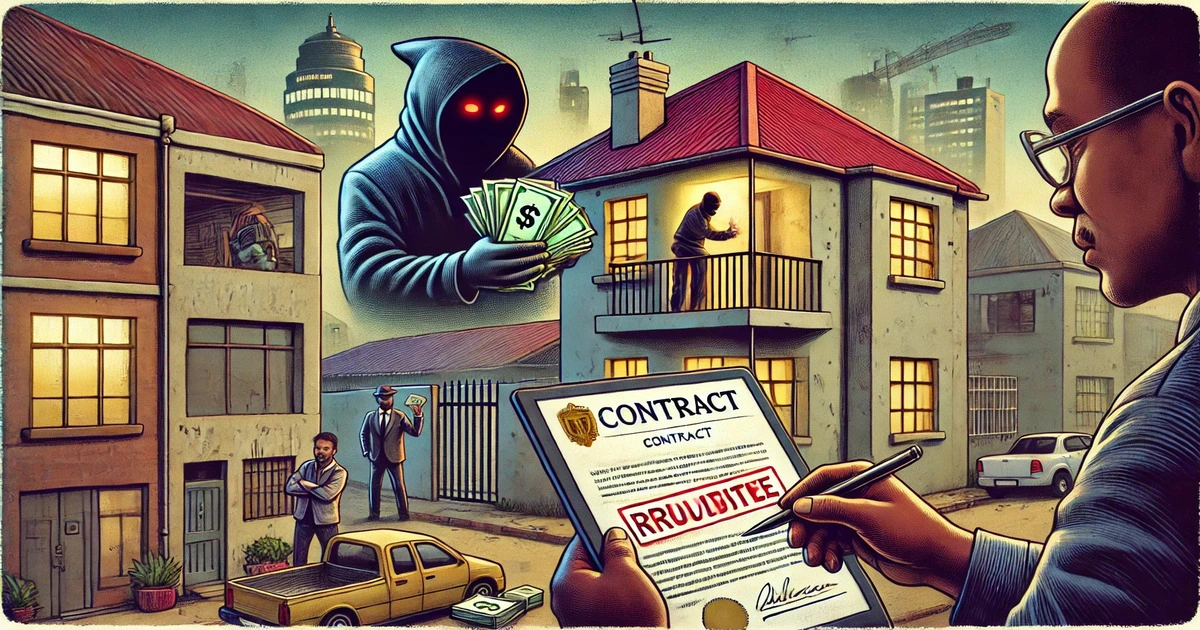
What can I legally do to recover costs from a problem tenant?
South African landlords often face difficulties when tenants breach their obligations. Unpaid rent, property damage, and ignored lease terms can cause financial strain.
Knowing what I can legally do to recover costs from a problem tenant? It is essential for landlords who want to protect their investment while complying with the law.
The legal framework in South Africa gives landlords several options. The Rental Housing Act, the Consumer Protection Act, and common law rights all provide avenues for recovery. However, landlords must act within the law and avoid unlawful actions like cutting off electricity or changing locks.
Legal rights of South African landlords
The lease agreement forms the foundation of your rights. A written lease should clearly state the rent payable, maintenance responsibilities, and consequences of non-payment or damage. When a tenant breaches these terms, you are legally entitled to claim your losses.
Recoverable costs usually include:
- Rental arrears
- Interest or penalties for late payment (if in the lease)
- Costs of repairing tenant-caused damage
- Utility charges that the tenant was responsible for
- Legal fees, where allowed by law or awarded by the court
The law requires landlords to follow the procedure. Any attempt to act outside the legal framework could expose you to damages or even criminal charges.
Communicating and keeping records
Before escalating matters, it is essential to communicate with the tenant. Many disputes can be resolved if the tenant acknowledges their obligations and settles arrears. Always use written communication where possible.
Keep detailed records of:
- Proof of rent arrears
- Correspondence between you and the tenant
- Photographs of damage
- Invoices for repairs or services
- The signed lease agreement
These records are essential if you later approach the Rental Housing Tribunal or court.
Enforcing the lease agreement
Your lease agreement is the first line of defence. South African law allows landlords to include clauses for late payment penalties, responsibility for utilities, and recovery of damages. As long as these clauses are reasonable and lawful, they can be enforced.
If your lease is silent on penalties, you can still claim actual losses such as unpaid rent or repairs, but you may not be able to charge arbitrary fees. This is why having a properly drafted lease is crucial.
Issuing formal notices
When communication fails, you must act formally. South African law requires proper notices before eviction or legal recovery can take place.
Typical notices include:
- A written demand giving the tenant at least 7 days to pay arrears or fix a breach
- A notice of cancellation of the lease if the breach is not remedied
- A notice to vacate if the lease has been cancelled
These notices must be clear, written, and delivered according to the lease terms or law. Without them, eviction or debt proceedings may be delayed.
Using the tenant’s deposit
A tenant’s deposit is an important safeguard. In South Africa, landlords must keep the deposit in an interest-bearing account and return it at the end of the tenancy, minus lawful deductions.
You can deduct for:
- Outstanding rent
- Cost of repairing damage caused by the tenant
- Unpaid utility bills
You cannot deduct for everyday wear and tear. You must also provide receipts or invoices to justify the deductions. Failing to comply can expose you to disputes at the Rental Housing Tribunal.
Rental Housing Tribunal
The Rental Housing Tribunal is a free dispute resolution forum available in each province. It deals with issues like non-payment, unfair practices, and deposit disputes.
If a tenant refuses to pay arrears or causes damage, you can complain with the Tribunal. It has the power to issue binding rulings, including orders for payment of arrears or costs.
The Tribunal process is generally quicker and less expensive than the court. However, if the tenant still refuses to comply, enforcement may require a court order.
Court action and eviction
If the Tribunal route is not successful or suitable, you can take court action. In the Magistrates’ Court, landlords can sue for unpaid rent, damages, or utility costs.
If the claim is under a certain amount, it may be pursued through the Small Claims Court, although attorneys are not allowed there.
Eviction is a separate legal process under the Prevention of Illegal Eviction from and Unlawful Occupation of Land Act (PIE). Even if a tenant is not paying rent, you cannot evict them without a court order. The court considers fairness to both landlord and tenant before granting eviction.
Eviction removes the problem tenant but does not automatically recover arrears. You may still need to pursue a money judgment.
Blacklisting tenants
Once you have a court order or Tribunal ruling, you may lawfully blacklist a tenant with a credit bureau. This makes it harder for them to rent elsewhere or obtain credit. While it does not give you immediate recovery, it can pressure tenants to settle arrears.
Preventing future disputes
While the law allows recovery, prevention is always better. To reduce risks:
- Screen tenants with credit checks and references
- Use a comprehensive lease agreement
- Collect a sufficient deposit
- Conduct regular inspections with written reports
- Keep rental accounts updated and accurate
By taking these steps, you strengthen your position if recovery action becomes necessary.
Mistakes landlords should avoid
Many South African landlords weaken their position by making common errors:
- Cutting off water or electricity to force payment
- Locking tenants out without a court order
- Failing to keep deposit interest or provide receipts
- Not serving proper notices before cancellation
- Attempting verbal agreements instead of written leases
These actions can result in penalties against the landlord and even damage claims by the tenant.
FAQs
Can I deduct unpaid rent directly from the deposit?
Yes, but only at the end of the tenancy and after providing an itemised statement of deductions supported by invoices or proof.
What if the tenant disappears and leaves arrears?
You can still sue in court if you can trace them. If they cannot be located, recovery may be difficult, but you may blacklist them once a judgment is obtained.
Can I claim legal costs from the tenant?
Courts often award legal costs to the successful party. If you succeed in your claim, you may recover part or all of your legal expenses.
What if the tenant refuses to pay after a Tribunal ruling?
You can approach the Magistrates’ Court to have the ruling enforced. The sheriff may then attach property or garnish wages.
Is eviction the same as recovering arrears?
No. Eviction removes the tenant, but you must separately claim arrears or damages through court or Tribunal processes.
Conclusion
Landlords in South Africa often ask: What can I legally do to recover costs from a problem tenant? The answer lies in following due process. From enforcing the lease and using the deposit to approaching the Rental Housing Tribunal or court, landlords have several lawful tools.
Recovery can take time, but by documenting everything, serving proper notices, and avoiding unlawful actions, you maximise your chances of success.
Prevention remains the best strategy: screen tenants carefully, draft strong leases, and monitor the property.
By understanding what I can legally do to recover costs from a problem tenant, South African landlords can safeguard their investments while acting within the law.
Don’t go it alone — South Africa’s landlords stand together.
When you join the Landlords Association of South Africa, you gain more than just membership you gain a powerful network of support. From expert legal advice and vital landlord resources to guidance on dealing with problem tenants, we stand with you every step of the way.
For just 2 rand a day, you can access professional advice, proven tools, and a community that understands the challenges of both commercial and residential property management.
Join today and experience the confidence of knowing you’re never facing it alone.
Our Top Read Blogs:
How to Sell a House in South Africa Fast
Complete Process of Tenant Eviction in South Africa
What Can I Do If A Tenant Is Neglecting My Property
Useful External Links
Disclaimer:
This post is for general use only and is not intended to offer legal, tax, or investment advice; it may be out of date, incorrect, or maybe a guest post. You are required to seek legal advice from a solicitor before acting on anything written hereinabove.