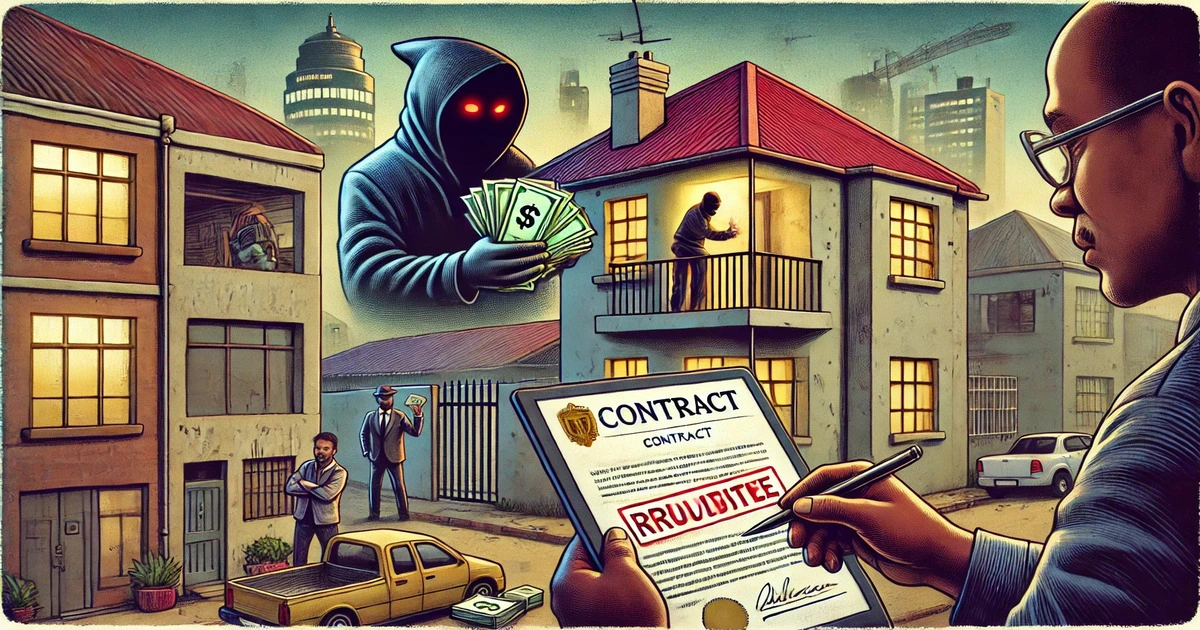
What are the legal requirements for evicting a commercial tenant? South Africa
Evicting a commercial tenant is a serious legal process governed by South African law. Landlords need to understand the legal requirements for evicting a commercial tenant. To avoid costly mistakes, court challenges, or allegations of unlawful eviction.
In South Africa, the law provides specific guidelines and protections for both landlords and tenants in commercial leasing. Unlike residential evictions, commercial evictions are essentially contractual, but they are still subject to legal oversight.
Landlords must follow due process to terminate the lease lawfully and recover possession of the premises. Understanding what are the legal requirements for evicting a commercial tenant? It is crucial to ensure compliance with the lease agreement, common law, and any applicable statutory requirements.
Below is a comprehensive guide to help South African landlords navigate this complex area.
Understanding the Lease Agreement
What are the legal requirements for evicting a commercial tenant? Lies in the lease agreement itself. Commercial leases are contracts negotiated between landlord and tenant. They usually define:
- Lease Duration
- Rental amount and payment terms
- Termination clauses
- Breach clauses
- Notice periods
Before pursuing eviction, the landlord must review the lease for specific terms about default and termination. Most leases will outline what constitutes a breach—such as non-payment of rent or unlawful use of the premises—and prescribe the landlord’s remedies.
Notice of Breach
A landlord cannot simply lock a tenant out or repossess the property without providing proper notice to the tenant. One of the primary legal requirements for evicting a commercial tenant is to give formal notice of the breach. Typically, this means:
- Writing to the tenant, setting out the specific breach
- Providing a period to remedy the breach (often 7 to 30 days, depending on the lease)
- Warning of possible cancellation if the breach is not cured
This notice is critical. If the lease requires notice and time to remedy, the landlord cannot skip it—even if the tenant’s breach seems obvious.
Cancellation of the Lease
If the tenant fails to remedy the breach after valid notice, the landlord may then cancel the lease. This step is central to understanding the legal requirements for evicting a commercial tenant. Because eviction without cancellation is unlawful. Cancellation is typically done in writing, notifying the tenant that:
- The lease is terminated
- The tenant must vacate the premises
- Legal action may follow if they do not comply
This formal cancellation is a condition precedent to the issuance of an eviction application in court.
Unlawful Occupation
Once the lease is cancelled correctly, the tenant becomes an unlawful occupier. At this stage, the landlord gains the right to approach the court for an eviction order. However, self-help is forbidden. The landlord cannot:
- Change the locks
- Remove the tenant’s goods
- Disconnect utilities
- Harass or threaten the tenant
Such actions can lead to claims for damages or an interdict. Only the court can authorize eviction.
Court Application for Eviction
Commercial evictions in South Africa require a court order. The landlord must apply to the relevant court (usually the High Court, as commercial leases often involve substantial sums). The application includes:
- Proof of the lease agreement
- Evidence of breach
- Record of notices served
- Confirmation of cancellation
The court will review whether the landlord followed due process and whether the tenant is indeed in unlawful occupation.
Defences Available to Tenants
Tenants can oppose the eviction on various grounds, including:
- Disputing the breach
- Arguing that proper notice was not given
- Claiming the landlord waived their rights by accepting late payments
- Challenging the validity of the lease cancellation
Landlords should prepare for these defences by keeping thorough records of communications, payments, and notices.
The Role of the Court
Courts take eviction matters seriously because eviction terminates a tenant’s right to occupy premises critical to their business.
Although commercial tenants do not enjoy the same statutory protections as residential tenants under laws such as the Prevention of Illegal Eviction from and Unlawful Occupation of Land Act (PIE Act), courts still require fairness and adherence to contracts.
In assessing what are the legal requirements for evicting a commercial tenant? Courts expect landlords to have:
- Followed the lease’s breach and notice requirements
- Acted in good faith
- Avoided self-help
A court order is the only lawful method for evicting a commercial tenant.
Execution of the Eviction Order
Once the court grants an eviction order, the sheriff of the court carries out the eviction. The landlord must not personally remove the tenant or their belongings. The sheriff will:
- Serve the eviction order on the tenant
- Provide notice of the eviction date
- Remove the tenant and their goods if they do not vacate voluntarily
This process ensures that eviction is conducted lawfully and peacefully.
Costs and Damages
Landlords often claim outstanding rent, damages for breach of contract, or losses incurred due to the tenant’s continued occupation. These claims may be brought together with the eviction application or in separate proceedings. The court may:
- Award damages
- Order the tenant to pay arrear rent
- Grant costs against the losing party
Legal costs can be substantial, underscoring the importance of clear lease terms and proper procedures.
Alternative Dispute Resolution
Many commercial leases include mediation or arbitration clauses. Before heading to court, parties may be required to attempt:
- Negotiation
- Mediation
- Arbitration
These methods can save time and cost, preserve relationships, and allow flexible outcomes. Landlords should review the lease to see if such processes are mandatory before litigation.
Special Considerations During Insolvency or Business Rescue
If the tenant is under business rescue or liquidation, special rules apply. For example:
- Landlords may need the business rescue practitioner’s consent to cancel the lease
- Claims for arrear rent may rank as unsecured in liquidation
- Eviction may be stayed pending business rescue plans
These complexities require legal advice to navigate correctly.
Practical Tips for Landlords
For landlords asking, what are the legal requirements for evicting a commercial tenant? Consider these practical guidelines:
- Draft straightforward, unambiguous leases
- Include precise breach and notice clauses
- Keep written records of all dealings
- Serve notices properly and within contractual timelines
- Avoid any form of self-help eviction
- Consult an attorney early in the process
By adopting a careful, lawful approach, landlords can protect their rights while minimizing delays and costs.
The Importance of Legal Advice
Commercial leases often involve substantial investments. Evicting a tenant can have significant financial consequences for both parties. Landlords should seek professional legal advice to ensure they comply with the lease and South African law. Attorneys can:
- Review the lease for proper cancellation procedures
- Draft compliant notices
- Prepare and argue the eviction application in court
- Advise on alternative dispute resolution
Impact on the Tenant’s Business
It is also worth acknowledging that eviction disrupts the tenant’s business. Even when the tenant is in breach, landlords should consider the reputational and ethical implications of eviction. Maintaining professional, transparent communication can reduce conflict and open the door to negotiated solutions.
FAQs
What notice must I give before cancelling a commercial lease?
Usually, the lease will specify the notice period for breach. Commonly, it takes 7 to 30 days to remedy the breach. Without such notice (if required), cancellation and subsequent eviction may be invalid.
Can I evict a tenant without going to court?
No. Self-help eviction is unlawful in South Africa. Even for commercial premises, a court order is required, enforced by the sheriff.
What if the tenant disputes the breach?
The tenant can oppose the eviction in court. The landlord must prove the breach, compliance with the lease’s procedures, and proper cancellation.
Does the PIE Act apply to commercial tenants?
No. The PIE Act protects unlawful occupiers in residential contexts. Commercial tenants are primarily governed by contract and common law, although courts still require a fair process.
Can I cut off utilities to evict the tenant?
No. Disconnecting utilities or locking the tenant out without a court order is unlawful and may expose the landlord to damages.
What are the legal requirements for evicting a commercial tenant? In insolvency?
If the tenant is under business rescue or liquidation, additional procedures apply. Consult legal advice to ensure compliance with insolvency law.
How long does the eviction process take?
It depends on the court’s schedule and whether the tenant opposes the application. Unopposed evictions may be resolved in a few months, while contested cases can take longer.
Can I recover the unpaid rent in the eviction application?
Yes. Many landlords include claims for arrears of rent or damages in the same application, although separate proceedings may sometimes be required.
Is arbitration mandatory?
Only if the lease agreement requires it, many commercial leases include arbitration clauses as a prerequisite to court action.
Why is it important to get legal help?
Evicting a commercial tenant is complex. Mistakes can invalidate the eviction, result in damages claims, or cause reputational harm. Legal guidance ensures compliance with contracts and laws.
Understanding what are the legal requirements for evicting a commercial tenant? Is essential for South African landlords. By following due process, respecting contractual terms, and obtaining necessary court orders, landlords can lawfully recover possession of their property while avoiding legal pitfalls.
Useful External Links
Membership with the South African Landlords Association provides access to expert advice, legal resources, and a community of like-minded professionals.
Enhance your rental management experience and protect your investments by joining today!
Our Top Read Blogs:
Disclaimer:
This post is for general use only and is not intended to offer legal, tax, or investment advice; it may be out of date, incorrect, or maybe a guest post. You are required to seek legal advice from a solicitor before acting on anything written hereinabove.