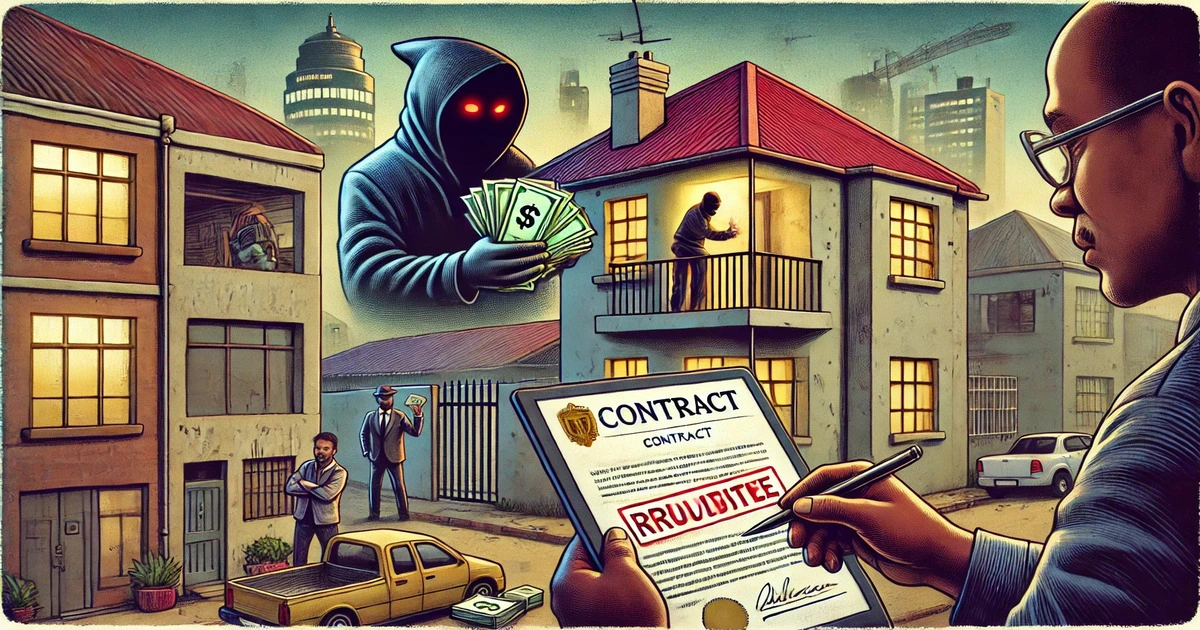
Top Mistakes First-Time Landlords Make (And How to Avoid Them)
Entering the rental property market for the first time can feel exciting and overwhelming. The prospect of earning rental income is appealing, but without the proper knowledge, many new landlords fall into common traps.
Understanding the top mistakes first-time landlords make (and how to avoid them) is crucial for success. In South Africa, where property law and tenant rights are complex, making mistakes can lead to costly disputes, fines, or even legal battles.
In this guide, we explore the top mistakes first-time landlords make (and how to avoid them), while providing clear strategies to protect your investment and build long-term rental success.
Lack of a Proper Written Lease Agreement
One of the most common mistakes is renting out property without a comprehensive written lease. Many new landlords rely on verbal agreements or generic templates that do not comply with the South African Rental Housing Act and Consumer Protection Act.
Without a compliant lease, you risk being unable to enforce rental obligations, recover damages, or evict problem tenants legally.
How to avoid it:
Always use a legally compliant lease drafted for South African law. Ensure it covers rent payment dates, deposit rules, maintenance obligations, and termination clauses.
A properly drafted lease protects both landlord and tenant while reducing disputes.
Poor Tenant Screening
Another of the top mistakes first-time landlords make (and how to avoid them) relates to weak tenant screening. Eager to fill a vacancy quickly, many landlords skip proper background checks.
This can result in late rent payments, property damage, or tenants who refuse to leave.
How to avoid it:
Implement a strict tenant vetting process. Conduct credit checks, verify employment, and request references from previous landlords. Screening tenants properly saves you from long-term financial and emotional stress.
Ignoring Legal Obligations
South African law places significant responsibilities on landlords. New landlords often fail to comply with the Rental Housing Act, deposit regulations under the Rental Housing Tribunal, and tenant rights under the Consumer Protection Act.
Failing to follow these laws can result in tribunal cases, fines, or rulings in favour of the tenant.
How to avoid it:
Familiarise yourself with landlord obligations, including deposit handling (which must be kept in an interest-bearing account), maintenance requirements, and tenant eviction procedures. Seek professional legal guidance when drafting leases or handling disputes.
Underestimating Maintenance Costs
First-time landlords often believe rental income will mostly be profit. However, neglecting maintenance responsibilities is one of the top mistakes first-time landlords make (and how to avoid them).
Leaking roofs, broken plumbing, or faulty electrical systems are not only tenant concerns but also legal obligations for landlords.
How to avoid it:
Set aside a maintenance fund. Regularly inspect your property and respond quickly to repair requests. Preventive maintenance reduces bigger expenses and keeps tenants satisfied, encouraging longer leases.
Overpricing or Underpricing Rent
Pricing rental property incorrectly can either drive tenants away or cause financial losses. New landlords often overestimate market demand or underestimate property expenses.
How to avoid it:
Research comparable properties in your area. Consider location, property size, amenities, and demand trends. Setting fair market rent ensures steady occupancy while covering expenses.
Poor Communication with Tenants
Another of the top mistakes first-time landlords make (and how to avoid them) is failing to establish professional communication. Some landlords become too friendly, blurring boundaries, while others ignore tenant concerns altogether.
How to avoid it:
Maintain professional but approachable communication. Respond promptly to tenant queries, keep written records of discussions, and ensure all agreements are documented in writing.
Failing to Protect the Deposit
In South Africa, the tenant’s deposit must be placed in an interest-bearing account and returned with interest at lease end, minus legitimate deductions. First-time landlords sometimes misuse deposits or fail to follow procedure, leading to disputes at the Rental Housing Tribunal.
How to avoid it:
Always issue a deposit receipt, conduct joint incoming and outgoing inspections, and keep deposit funds separate. Following the law ensures you can deduct legitimate damages while avoiding tribunal penalties.
Neglecting Insurance Coverage
Many new landlords assume standard homeowner’s insurance is enough. However, rental property requires specific cover against tenant damage, loss of rent, and third-party liability.
How to avoid it:
Secure landlord-specific insurance. Policies should cover building damage, theft, liability, and potential loss of rental income. This ensures financial protection in unforeseen circumstances.
Not Preparing for Vacancy Periods
Rental income gaps are inevitable. Many new landlords forget to budget for vacant months, assuming their property will always be occupied.
How to avoid it:
Plan financially for at least two to three months without rent each year. Proper budgeting reduces financial strain during vacancy periods.
Trying to Manage Without Knowledge
The most significant of the top mistakes first-time landlords make (and how to avoid them) is trying to manage property without learning about landlord obligations. Many believe being a landlord is passive income, when in reality it requires knowledge of law, finance, and property management.
How to avoid it:
Educate yourself through landlord associations, training courses, or legal consultations. The more informed you are, the smoother your rental journey will be.
FAQs on Top Mistakes First-Time Landlords Make (And How to Avoid Them)
What is the biggest mistake first-time landlords make?
The biggest mistake is failing to have a legally compliant lease agreement. Without it, you risk disputes, non-payment, and difficulty enforcing rights.
Do I need to register my lease in South Africa?
If the lease is longer than ten years, or if it contains an option to renew beyond ten years, registration in the Deeds Office may be required. For standard residential leases, registration is not mandatory, but compliance with the law is essential.
How can I legally evict a tenant in South Africa?
You must follow the procedures set by the Prevention of Illegal Eviction from and Unlawful Occupation of Land Act (PIE Act). This requires a court order. Illegal evictions can result in heavy penalties.
How should I handle rental deposits?
Deposits must be placed in an interest-bearing account, with interest accruing to the tenant. Joint inspections at move-in and move-out are mandatory for deposit deductions.
Is landlord insurance necessary?
Yes. Standard homeowner insurance does not cover rental risks. Landlord insurance protects against tenant damage, loss of rent, and liability claims.
Conclusion
Understanding the top mistakes first-time landlords make (and how to avoid them) is essential for long-term rental success. From failing to use proper leases to neglecting tenant screening, overlooking insurance, or ignoring maintenance, each mistake carries financial and legal risks.
By learning from these pitfalls and adopting best practices, first-time landlords can protect their investments, maintain positive tenant relationships, and ensure compliance with South African law. Success in property letting comes from knowledge, preparation, and professionalism.
Don’t go through it alone — South Africa’s landlords stand together.
When you join the Landlords Association of South Africa, you gain more than just membership; you gain a robust network of support. From expert legal advice and vital landlord resources to guidance on dealing with problem tenants, we stand with you every step of the way.
For just 2 rand a day, you can access professional advice, proven tools, and a community that understands the challenges of both commercial and residential property management.
Join today and experience the confidence of knowing you’re never facing it alone.
Our Top Read Blogs:
How to Sell a House in South Africa Fast
Complete Process of Tenant Eviction in South Africa
What Can I Do If A Tenant Is Neglecting My Property
Useful External Links
- https://www.gov.za/documents/consumer-protection-act
- https://www.justice.gov.za/legislation/acts/1998-19.pdf
Disclaimer:
This post is for general use only and is not intended to offer legal, tax, or investment advice; it may be out of date, incorrect, or maybe a guest post. You are required to seek legal advice from a solicitor before acting on anything written hereinabove.