- Description
- Curriculum
- FAQ
- Reviews
Course Description
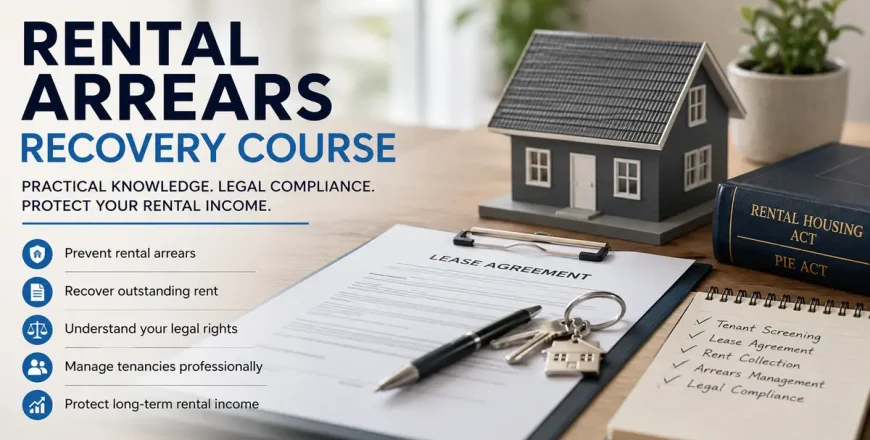
Rental arrears are one of the biggest financial risks facing residential landlords in South Africa. Recovering unpaid rent can be time-consuming, stressful, and costly if the correct procedures are not followed. This comprehensive course provides landlords with the knowledge and practical skills needed to prevent rental arrears, recover outstanding rent lawfully, and protect their long-term rental income.
Throughout the course, you will learn how to screen tenants effectively, draft stronger lease agreements, manage deposits, identify early warning signs of financial difficulty, negotiate repayment arrangements, and issue Letters of Demand and Breach Notices. You will also gain a clear understanding of the legal framework governing rental arrears recovery, including the Rental Housing Act, the Prevention of Illegal Eviction from and Unlawful Occupation of Land (PIE) Act, debt recovery through the courts, and the role of the Rental Housing Tribunal.
Designed specifically for South African residential landlords, this course combines legal guidance with practical property management strategies to help you minimise financial losses and resolve disputes professionally. By the end of the course, you will have the confidence to manage rental arrears effectively, maintain legal compliance, and implement systems that reduce the risk of future payment defaults.
Whether you own a single rental property or manage a larger portfolio, this course will equip you with the tools and best practices to protect your investment and operate as a professional landlord.
Module 1 – Understanding Rental Arrears in South Africa
-
1
 Lesson 1: What Are Rental Arrears?
Lesson 1: What Are Rental Arrears?
Gain a clear understanding of rental arrears, including what they are, why they occur, and how they can affect both landlords and tenants.
This lesson explains the common causes of missed rental payments, the financial impact of arrears on rental income, and the legal responsibilities of both parties under a residential lease agreement in South Africa. It also introduces practical steps landlords can take to minimise the risk of rental arrears.
-
2
Lesson 2: South African Legal Framework
Lesson 2: South African Legal Framework
Understand the legal framework governing rental arrears in South Africa. This lesson explains the key legislation affecting landlords and tenants, including the Rental Housing Act, the Consumer Protection Act (CPA), and relevant common law principles.
You will also learn how lease agreements are enforced and the important role the courts play in resolving rental disputes and recovering outstanding rent lawfully.
-
3
Lesson 3: Rights and Responsibilities
Lesson 3: Rights and Responsibilities
Understand the legal rights and responsibilities of both landlords and tenants in a residential tenancy.
This lesson explains the importance of acting in good faith, complying with the terms of the lease agreement, maintaining clear communication, and keeping accurate records. You will also learn how proper documentation and professional practices can help prevent disputes and support the successful recovery of rental arrears.
Module 2 – Preventing Rental Arrears
-
4
Lesson 1: Tenant Screening and Affordability
Lesson 1: Tenant Screening and Affordability
Learn how effective tenant screening can significantly reduce the risk of rental arrears.
This lesson covers the essential steps in assessing prospective tenants, including credit checks, employment verification, income assessments, and reference checks. You will also learn how to identify high-risk applicants and make informed letting decisions to protect your rental income and investment.
-
5
Lesson 2: Drafting Strong Lease Agreements
Lesson 2: Drafting Strong Lease Agreements
A well-drafted lease agreement is one of the best tools for preventing rental arrears and protecting your rights as a landlord. This lesson explains how to draft clear and enforceable rent clauses, specify payment due dates, include provisions for interest on late payments where legally permissible, and incorporate effective breach, surety, and guarantor clauses.
By the end of this lesson, you will understand how a comprehensive lease agreement can reduce disputes and strengthen your ability to recover outstanding rent.
-
6
Lesson 3: Deposits and Financial Security
Lesson 3: Deposits and Financial Security
Learn how rental deposits and other financial safeguards can help protect your investment and reduce the risk of financial loss.
This lesson explains the purpose of rental and holding deposits, the use of suretyships, available insurance options, and the importance of maintaining accurate financial records. You will gain practical knowledge to strengthen your risk management strategy before a tenancy begins.
Module 3 – Early Arrears Management
-
7
Lesson 1: Identifying Warning Signs
Lesson 1: Identifying Warning Signs
Learn how to recognise the early warning signs of potential rental arrears before they become serious financial problems.
This lesson explores common indicators such as missed or partial rent payments, changes in tenant communication, signs of financial distress, and unusual payment patterns. By identifying these warning signs early, landlords can take proactive steps to prevent arrears from escalating.
-
8
Lesson 2: Communicating with Tenants
-
9
Lesson 3: Payment Arrangements
Lesson 3: Payment Arrangements
Learn how to manage rental arrears through practical and realistic payment arrangements.
This lesson explains how to negotiate payment plans, prepare written repayment agreements, monitor a tenant's compliance, revise arrangements when circumstances change, and avoid common mistakes that can delay or prevent the successful recovery of outstanding rent.
Module 4 – Legal Notices and Breach Procedures
-
10
Lesson 1: Issuing Letters of Demand
Lesson 1: Issuing Letters of Demand
Learn how to issue an effective Letter of Demand when a tenant falls into rental arrears. This lesson explains the purpose of a demand letter, the legal considerations involved, appropriate timeframes for payment, the supporting documentation that should accompany your claim, and the importance of maintaining accurate records.
A properly prepared Letter of Demand is often the first formal step towards recovering outstanding rent and resolving disputes professionally.
-
11
Lesson 2: Breach Notices
Lesson 2: Breach Notices
Learn how to issue breach notices correctly when a tenant fails to comply with the terms of a lease agreement. This lesson explains how to identify lease breaches, understand notice requirements, provide tenants with an opportunity to remedy the breach where appropriate, ensure compliance with the lease terms, and avoid common drafting errors that could weaken your position if legal action becomes necessary.
-
12
Lesson 3: Cancelling the Lease
Lesson 3: Cancelling the Lease
Understand the correct legal process for cancelling a residential lease when a tenant breaches the agreement. This lesson covers the lawful grounds for cancellation, the procedures landlords must follow, tenant rights during the process, the risks of unlawful cancellation, and how to prepare for possible legal action. Following the correct process helps protect your rights and reduces the risk of costly legal disputes.
Module 5 – Eviction and Rental Arrears
-
13
Lesson 1: Understanding the PIE Act
Lesson 1: Understanding the PIE Act
Gain an understanding of the Prevention of Illegal Eviction from and Unlawful Occupation of Land Act (PIE Act) and its importance in residential evictions in South Africa. This lesson explains the purpose of the Act, what constitutes unlawful occupation, the role of the courts in eviction proceedings, the constitutional rights afforded to occupiers, and the practical implications for landlords seeking to recover possession of their property lawfully.
-
14
Lesson 2: Starting Eviction Proceedings
Lesson 2: Starting Eviction Proceedings
Learn when it is appropriate to begin eviction proceedings after a tenant has failed to remedy a breach of the lease agreement.
This lesson explains the circumstances in which eviction may be necessary, the court application process, the documents required to support an eviction application, the role of legal representation, and the typical timelines involved. Understanding the correct procedure helps landlords recover possession of their property lawfully while complying with the requirements of the PIE Act.
-
15
Lesson 3: Recovering Possession
Lesson 3: Recovering Possession
Learn the final steps involved in lawfully recovering possession of a rental property after an eviction order has been granted. This lesson explains the role of the court order, the Sheriff's responsibilities in enforcing an eviction, the correct legal procedures for recovering possession, and the actions landlords must avoid to prevent unlawful or illegal evictions.
Understanding this process helps ensure compliance with South African law while protecting your rights as a landlord.
Module 6 – Recovering Outstanding Rent
-
16
Lesson 1: Recovering Debt Through the Courts
Lesson 1: Recovering Debt Through the Courts
Learn how to recover outstanding rental arrears through the South African court system when voluntary payment is not made. This lesson explains the civil debt recovery process, the procedures followed in the Magistrates' Court, the evidence required to support your claim, the legal costs involved, and how court judgments can assist in recovering unpaid rent.
Understanding these procedures will help landlords pursue outstanding debts effectively and lawfully.
-
17
Lesson 2: Enforcement of Judgments
Lesson 2: Enforcement of Judgments
Obtaining a court judgment is not always the end of the debt recovery process. This lesson explains the legal options available to enforce a judgment when a tenant fails to pay voluntarily, including warrants of execution, attachment of assets, emoluments attachment orders where applicable, alternative debt collection methods, and the important role of the Sheriff in enforcing court orders.
Understanding these enforcement procedures will help landlords recover outstanding rental arrears lawfully and effectively.
-
18
Lesson 3: Using Debt Collection Services
Lesson 3: Using Debt Collection Services
Learn when and how to use professional debt collection services to recover outstanding rental arrears. This lesson explains the role of debt collection agencies and attorneys, the costs and benefits of outsourcing debt recovery, the use of credit bureau listings where legally permitted, and how to choose reputable service providers.
Understanding these options will help landlords make informed decisions when recovering unpaid rental debts.
Module 7 – Managing Disputes and Rental Housing Tribunals
-
19
Lesson 1: Rental Housing Tribunal Procedures
Lesson 1: Rental Housing Tribunal Procedures
Learn how the Rental Housing Tribunal assists landlords and tenants in resolving residential tenancy disputes in South Africa. This lesson explains the Tribunal's functions, the types of disputes it can consider, how to file a complaint, what to expect during a hearing, and the possible outcomes of Tribunal proceedings.
Understanding these procedures can help landlords resolve disputes efficiently and, in many cases, avoid costly court action.
-
20
Lesson 2: Mediation and Negotiation
Lesson 2: Mediation and Negotiation
Learn how mediation and negotiation can help resolve rental disputes without the need for costly court proceedings. This lesson explores alternative dispute resolution methods, negotiating fair settlement agreements, effective communication and negotiation techniques, strategies for avoiding litigation, and maintaining professional landlord-tenant relationships.
These skills can save time, reduce costs, and increase the likelihood of reaching practical solutions.
-
21
Lesson 3: Building a Strong Evidence File
Building a Strong Evidence File
Learn how to create and maintain a comprehensive evidence file to support rental arrears recovery and legal proceedings.
This lesson covers the essential documents every landlord should retain, including lease agreements, rent schedules, payment records, communication history, inspection reports, and photographs. Well-organised evidence strengthens your position in negotiations, Tribunal hearings, and court proceedings while improving the likelihood of a successful outcome.
Module 8 – Professional Arrears Management and Best Practice
-
22
Lesson 1: Creating Effective Rent Collection Systems
Lesson 1: Creating Effective Rent Collection Systems
Learn how to implement efficient rent collection systems that reduce the risk of rental arrears and improve cash flow.
This lesson covers automated rent reminders, monthly rental reconciliations, the use of rental management software, financial reporting, and establishing effective internal procedures. A well-organised rent collection system helps landlords manage their properties professionally and identify payment issues before they escalate.
-
23
Lesson 2: Reducing Future Rental Arrears
Lesson 2: Reducing Future Rental Arrears
Learn practical strategies to minimise the risk of future rental arrears and protect your rental income.
This lesson explores the importance of regular property inspections, maintaining effective communication with tenants, reviewing tenant affordability, managing lease renewals, and implementing proactive risk management strategies. By adopting these best practices, landlords can identify potential problems early and reduce the likelihood of future payment defaults.
-
24
Lesson 3: Professional Landlord Best Practice

Who is this course designed for?
This course is designed for residential landlords, property investors, managing agents, property managers, and anyone involved in letting residential property in South Africa who wants to prevent and recover rental arrears legally and effectively.
Do I need any previous property management or legal experience?
No. The course is suitable for beginners as well as experienced landlords. All legal concepts and practical procedures are explained in clear, easy-to-understand language.
Will this course teach me how to recover unpaid rent legally?
Yes. The course covers the complete rental arrears recovery process, including payment reminders, repayment agreements, Letters of Demand, Breach Notices, debt recovery through the courts, judgment enforcement, and the use of debt collection services.
Does the course explain the eviction process in South Africa?
Yes. You will learn when eviction is appropriate, how the PIE Act applies, the legal eviction process, the role of the courts and the Sheriff, and how to recover possession of your property lawfully while avoiding illegal evictions.
Will I learn how to prevent rental arrears before they happen?
Absolutely. The course places a strong emphasis on prevention, including tenant screening, affordability assessments, drafting stronger lease agreements, effective rent collection systems, regular inspections, and proactive communication with tenants.
Will I receive a certificate after completing the course?
Yes. Upon successfully completing the course and passing the final assessment, you will receive a Certificate of Completion, demonstrating your understanding of rental arrears prevention, debt recovery, and professional property management practices for residential landlords in South Africa.
Please, login to leave a review
Course details
Lectures
24
Quizzes
1
Level
Intermediate
Basic info
Basic Course Information
Course Title: Rental Arrears Recovery Course (South Africa)
Course Level: Beginner to Intermediate
Course Duration: Approximately 4 Hours
Course Format: Online, Self-Paced
Delivery Method: Text-Based Lessons
Number of Modules: 8
Number of Lessons: 24
Assessment: 8-Question Multiple Choice Quiz
Certificate: Certificate of Completion available upon successful completion
Language: English
Country Focus: South Africa
Category: Residential Property Management | Landlord Training
Access: Lifetime access (subject to your platform's terms and conditions)
Prerequisites: No previous legal or property management experience required.
Learning Outcomes:
- Understand the causes of rental arrears and how to prevent them.
- Screen tenants and assess affordability effectively.
- Draft stronger lease agreements to reduce financial risk.
- Manage rental arrears using professional communication and repayment plans.
- Issue Letters of Demand and Breach Notices correctly.
- Understand the legal framework, including the Rental Housing Act and PIE Act.
- Navigate eviction procedures and debt recovery through the courts.
- Use the Rental Housing Tribunal to resolve disputes.
- Build strong evidence files to support legal action.
- Implement professional rent collection systems and long-term risk management strategies.
Course requirements
Course Requirements
There are no formal entry requirements for this course. It has been designed to be practical and accessible for both new and experienced residential landlords in South Africa.
To get the most from this course, learners should have:
- An interest in residential property management and rental arrears recovery.
- A basic understanding of landlord and tenant relationships (helpful but not essential).
- Access to a computer, tablet, or smartphone with an internet connection.
- The ability to read and understand English.
- A willingness to apply the practical guidance and legal principles covered throughout the course.
No legal qualifications or previous property management experience are required. All concepts are explained in a clear, straightforward manner, making the course suitable for first-time landlords as well as experienced property owners looking to strengthen their knowledge of rental arrears prevention and recovery in South Africa.
Intended audience
Intended Audience
This course is designed for anyone involved in the ownership or management of residential rental property in South Africa, including:
- Residential landlords, whether managing a single property or a large rental portfolio.
- First-time landlords who want to understand how to prevent and recover rental arrears legally.
- Experienced landlords looking to improve their arrears recovery procedures and risk management practices.
- Buy-to-let property investors seeking to protect their rental income and minimise financial losses.
- Property managers and managing agents responsible for collecting rent and handling tenant disputes.
- Estate agents involved in residential property letting and management.
- Property administrators responsible for rent collection and tenancy administration.
- Anyone planning to become a residential landlord and wanting to build a strong understanding of rental arrears management before letting a property.
No previous legal or property management experience is required, making this course suitable for both beginners and experienced property professionals who want to manage rental arrears confidently while complying with South African law.