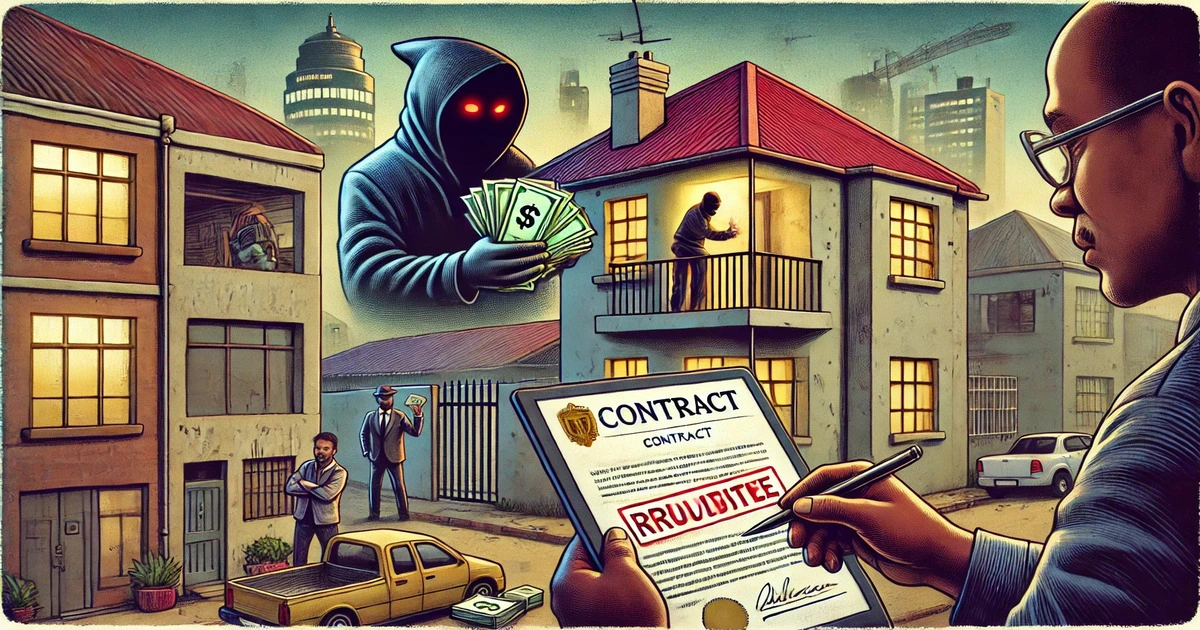
I Have a Deposit Dispute with My Tenant. What Can I Do? (South Africa)
Disputes over rental deposits are a common source of tension between landlords and tenants in South Africa. Whether you’re a landlord dealing with an uncooperative tenant or a tenant who believes their deposit has been unfairly withheld, understanding the legal framework and available remedies is essential.
This article explores how to resolve a deposit dispute with your tenant in South Africa, in line with the Rental Housing Act and common practice.
We will repeat the key phrase “deposit dispute with my tenant” at least three times throughout this comprehensive guide.
Understanding the Legal Role of the Rental Deposit
In South Africa, a rental deposit serves as financial protection for landlords. It covers costs such as:
- Unpaid rent
- Repairs for damages beyond normal wear and tear
- Cleaning costs
- Utility bills left unpaid by the tenant
According to the Rental Housing Act 50 of 1999, landlords are entitled to request a deposit from tenants upon their move-in. Typically, this is equivalent to one or two months’ rent, depending on the lease agreement.
Must the Deposit Be Held in a Separate Account?
Yes. According to Section 5(3) of the Rental Housing Act:
“The landlord must invest the deposit in an interest-bearing account with a financial institution, and the tenant is entitled to the interest earned.”
This ensures transparency and fairness. The landlord must keep a record of the interest accrued and provide it to the tenant upon termination of the lease.
When Can a Landlord Withhold the Deposit?
A deposit may only be withheld if the tenant:
- Damaged the property beyond fair wear and tear
- Owes rent or utilities
- Failed to return keys, remotes, or access cards
- Did not leave the premises clean or in a rentable condition
Landlords must itemise all deductions and provide proof, such as invoices, quotes, or photographic evidence.
When Must the Deposit Be Returned?
The Rental Housing Act outlines the timelines:
- If there is no damage or dispute, the deposit (plus interest) must be returned within seven days of the tenant vacating the property.
- If there are deductions, the landlord has 14 days after the repairs have been completed to return the balance, along with itemised invoices.
If the landlord does not comply, the tenant may take legal action to recover their deposit.
Common Causes of a Deposit Dispute with My Tenant
If you’re thinking, “I have a deposit dispute with my tenant – what can I do?”, the dispute typically falls under one of the following scenarios:
- Tenant denies responsibility for property damage
- Disagreement over what constitutes “wear and tear”
- Landlord fails to provide a breakdown of deductions
- Tenant vacates without notice or is evicted
- Deposit not returned in the required timeframe
Step-by-Step Guide to Resolving a Deposit Dispute
Conduct Joint Incoming and Outgoing Inspections
A joint inspection is mandatory under the Rental Housing Act:
- Incoming Inspection: Conducted at the beginning of the lease to document the condition of the property.
- Outgoing Inspection: Conducted at the end of the lease, ideally within 3 days of the tenant moving out.
If you do not conduct an outgoing inspection with the tenant present, you may lose the right to claim damages. This is often the turning point in a deposit dispute with my tenant.
Keep All Documentation
Maintain a paper trail that includes:
- The signed lease agreement
- Incoming and outgoing inspection reports
- Photographs of the property
- Receipts or invoices for repairs
- Deposit receipt and interest records
This evidence will be vital if you need to defend your position.
Attempt an Amicable Settlement
Try to resolve the dispute informally before resorting to formal action. A letter outlining the deductions, accompanied by photos and receipts, often clarifies any confusion. Sometimes, misunderstandings are caused by poor communication, rather than ill intent.
If the tenant disagrees, you can suggest mediation through the Rental Housing Tribunal.
Approaching the Rental Housing Tribunal
If the issue remains unresolved, your next step should be the Rental Housing Tribunal, which provides a free dispute resolution service for both landlords and tenants. The Tribunal operates in every province and hears cases involving:
- Unlawful retention of deposits
- Disputes about the property condition
- Lease agreement violations
- Rent arrears and illegal evictions
How to Lodge a Complaint
You’ll need to complete a complaint form, which can be found on your provincial Department of Human Settlements website or obtained at a local Tribunal office. Attach all supporting documents.
Both parties will be summoned to a mediation session. If this fails, a formal hearing may follow. Tribunal rulings are legally binding and can be enforced in court.
This is often the most efficient legal way to resolve a deposit dispute with my tenant without incurring legal fees.
Taking the Matter to Court
If the Tribunal process fails or isn’t available in your area, you may take the matter to a Magistrate’s Court under a civil claim.
- If the tenant owes you money: You can file a claim for damages or unpaid rent.
- If you are the tenant and the landlord is withholding your deposit, you may file a claim for return of deposit.
Use the Small Claims Court for disputes under R20,000 (no lawyers allowed) or higher courts for more complex matters.
Legal Principles That Will Be Considered
Courts and tribunals will look at:
- Was the deposit placed in an interest-bearing account?
- Were inspections carried out correctly?
- Were the deductions reasonable and proven?
- Were the timelines for returning the deposit followed?
Failure to meet these criteria often results in the landlord being ordered to repay the full deposit plus interest.
What If the Tenant Caused Significant Damage?
In cases of severe damage (e.g., broken windows, destroyed appliances, holes in walls), the landlord may:
- Use part or all of the deposit to cover the cost
- Claim additional damages via court if the deposit does not cover all costs
However, remember that you must provide proof that the damage was caused by the tenant and not due to normal wear and tear.
How to Avoid Deposit Disputes in Future
Preventing a deposit dispute with my tenant begins before the lease even starts. Here’s how to avoid problems later:
Use a Comprehensive Lease Agreement
Include clear clauses on:
- How much deposit is required
- Where will it be kept
- Conditions for deductions
- Inspection dates and process
- Timelines for refund
Communicate Transparently
Inform the tenant in writing about the condition of the property, repair expectations, and the deposit return process.
Document Everything
Photos, inspection checklists, repair quotes, and email communication should all be stored. If a dispute arises, you’ll have the evidence needed to defend your actions.
Return the Deposit Promptly
If you’re a landlord, don’t delay without a reason. This is one of the biggest causes of tenant complaints. If there’s a delay, explain it with supporting documentation.
Case Study: A Real-Life Deposit Dispute Example
Situation: Landlord in Johannesburg rents out a 2-bedroom flat. The tenant lives there for 12 months and pays a R10,000 deposit. Upon exit, the landlord deducts R4,500 for a cracked window, cleaning, and unpaid utilities. Tenant disagrees.
What Happened:
- Outgoing inspection was not conducted jointly.
- No quotes or invoices provided to the tenant.
- Deposit returned after 30 days, with no interest.
Result:
- Tenant filed a complaint with the Gauteng Rental Housing Tribunal.
- The Tribunal ruled that the landlord must repay the full deposit with interest.
- The landlord was penalised for not following the process and failing to prove deductions.
This case highlights the importance of thorough inspections, accurate documentation, and adherence to the legal framework.
Conclusion: Resolve Your Deposit Dispute with the Law on Your Side
If you find yourself saying, “I have a deposit dispute with my tenant, what can I do?”, remember that the law offers clear procedures to protect both parties. Whether you’re a landlord trying to recover costs or a tenant fighting for fairness, documentation and compliance with the Rental Housing Act are your best tools.
Stay calm, gather evidence, attempt informal resolution, and if that fails, seek help from the Rental Housing Tribunal or Small Claims Court. Avoid letting disputes escalate unnecessarily, and always operate with professionalism and respect.
FAQs
Can I keep the deposit if the tenant broke the lease early?
Only if the lease allows this and the tenant has not given the required notice. You must still show actual financial loss.
What if my lease doesn’t mention a deposit?
If no deposit was collected, you cannot claim one later. However, you may still claim damages or unpaid rent through the court.
Is it illegal to keep the deposit without explanation?
Yes. The Rental Housing Act requires landlords to return the deposit or provide a full breakdown with supporting documentation. Failure to do so may result in penalties.
Does interest need to be paid on the deposit?
Yes. It must be placed in an interest-bearing account, and the tenant is entitled to the interest earned during the term of the lease.
What if the deposit doesn’t cover all the damages?
You can pursue the tenant in court for the balance, provided you have evidence of the damage and the associated costs.
Membership with the South African Landlords Association provides access to expert advice, legal resources, and a community of like-minded professionals.
Enhance your rental management experience and protect your investments by joining today!
Our Top Read Blogs:
Disclaimer:
This post is for general use only and is not intended to offer legal, tax, or investment advice; it may be out of date, incorrect, or maybe a guest post. You are required to seek legal advice from a solicitor before acting on anything written hereinabove.