How to Rent a Shop on a Short Licence in South Africa.
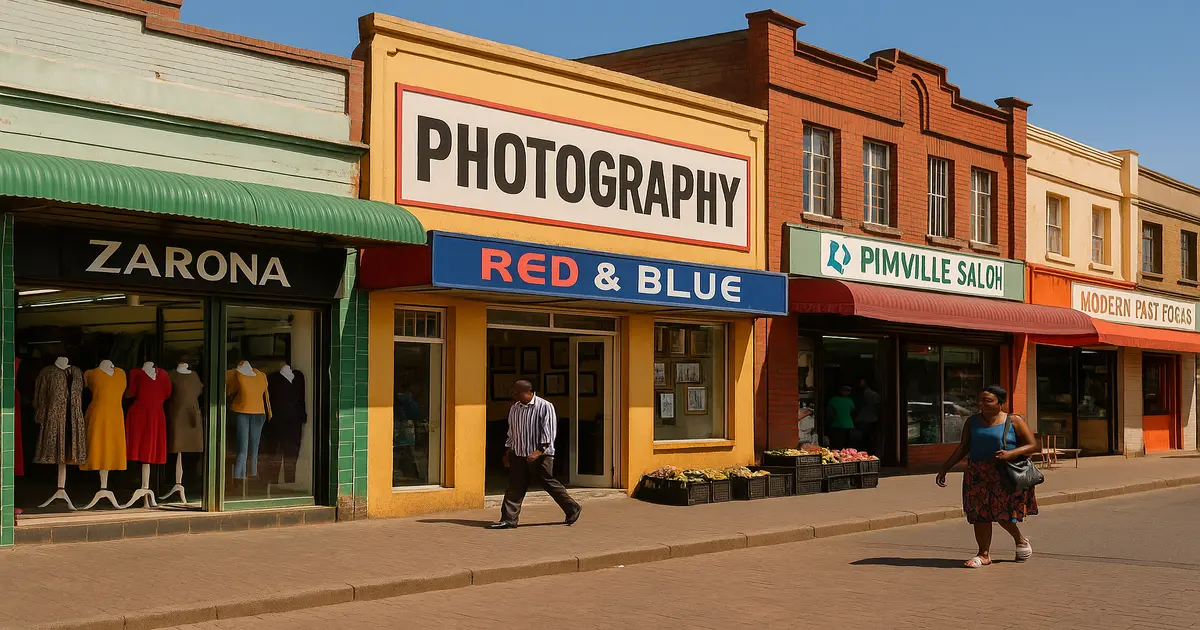
Renting a shop on a short licence in South Africa is a practical solution for landlords and tenants who want flexibility without the burden of a long-term commercial lease.
Unlike a lease, which often runs for several years, a short licence provides temporary rights to occupy a shop. This makes it ideal for seasonal businesses, testing new markets, or bridging gaps before committing to a formal lease.
Understanding a Shop Short Licence in South Africa
A shop short licence is a contractual agreement that allows a tenant to use commercial premises for a limited time. Unlike a lease, it does not grant exclusive possession or long-term rights. Instead, it permits one to occupy under agreed conditions.
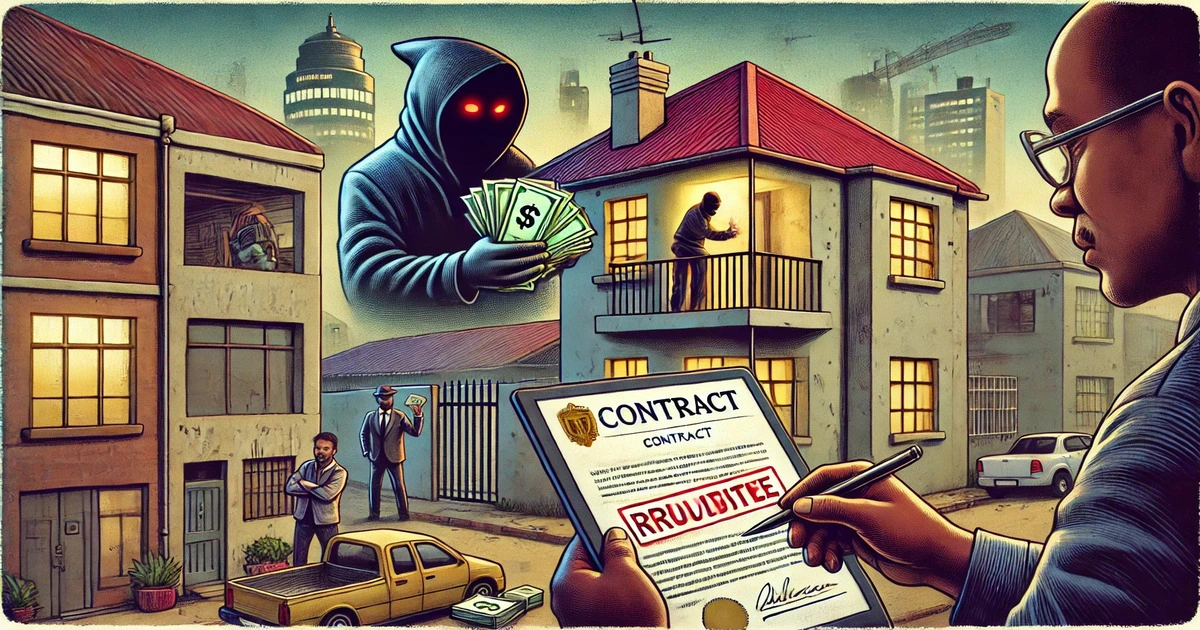
South African law recognises the difference between a lease and a licence. If the agreement is carefully drafted, the landlord retains control of the property, and the tenant must vacate once the term ends. This distinction is crucial because courts may reclassify a poorly drafted licence as a lease.
Why Choose a Shop Short Licence?
Businesses and landlords in South Africa often prefer short licences because:
- They allow pop-up shops and temporary trading.
- Landlords can avoid vacancy rates and municipal penalties on empty shops.
- Tenants can test business ideas without a long-term financial risk.
- Seasonal businesses can operate during peak demand periods.
Key Terms in a Shop Short Licence
A well-drafted South African shop short licence should include:
- Duration – clear start and end dates, usually not exceeding 12 months.
- Rent and payment terms are often higher than those of a lease and are payable in advance.
- Permitted use – restricted to retail or the business purpose agreed upon.
- Repairs and maintenance – the landlord generally retains responsibility, but the tenant must maintain cleanliness and avoid damage.
- Termination clauses should give either party the right to end on short notice.
- Non-exclusive possession – confirming it is a licence, not a lease.
Legal Differences in South Africa
In South Africa, leases are regulated under the Rental Housing Act 50 of 1999 (mainly residential) and common law principles for commercial leases. A licence, however, falls under contract law and does not provide security of tenure.
If the tenant is granted exclusive possession for a fixed period in exchange for rent, the arrangement may legally qualify as a lease regardless of the wording. That is why careful drafting is essential to ensure it remains a licence.
Steps to Rent a Shop on a Short Licence in South Africa
- Identify your needs – determine whether you need the shop for seasonal trading, a pop-up, or short-term use.
- Source premises – many landlords of vacant retail spaces are open to short licences.
- Negotiate terms – agree on rent, duration, responsibilities, and termination rights.
- Draft a written licence – never rely on a verbal agreement. Ensure it is clear that the licence does not create a lease.
- Comply with regulations – tenants may still need municipal trading licences, signage permits, and health and safety compliance.
- Once signed, the tenant can start trading under the agreed conditions.
Advantages of a Shop Short Licence
- Flexible arrangement for both parties.
- Lower legal costs compared to a lease.
- Faster access to commercial premises.
- Useful for testing markets or products.
- Helps landlords avoid empty property liabilities.
Disadvantages and Risks
- No security of tenure – tenant must leave at the end of the licence.
- Termination on short notice can disrupt trading.
- Rent may be higher due to flexibility.
- There is limited ability to build goodwill in the location.
Practical Tips for South African Tenants
- Confirm the landlord has legal authority to grant the licence.
- Avoid heavy investment in shop fittings unless agreed.
- Negotiate a reasonable notice period for termination.
- Maintain comprehensive business insurance.
- Obtain municipal permits for trading and signage.
FAQs
What is the difference between a shop short licence and a lease in South Africa?
A lease grants exclusive possession and legal rights, while a shop short licence only provides temporary occupation without security of tenure.
Can a shop’s short licence be extended?
Yes, but the extension must be in writing. Otherwise, the tenant must vacate once the term ends.
Do I need a deposit for a shop short licence?
Yes, most landlords in South Africa request a deposit to cover damages or unpaid rent.
Can the landlord enter the premises during the licence?
Yes. Since it is a licence and not a lease, the landlord usually retains the right of entry.
What happens if the licence is poorly drafted?
If it looks like a lease, courts may treat it as one, which can create unintended legal obligations.
Conclusion
Renting a shop on a short license in South Africa offers businesses and landlords flexibility, speed, and reduced costs compared to a lease. It is a popular option for temporary trading, seasonal shops, and market testing.
However, tenants must remember that a license provides no long-term protection, so it is vital to have a carefully drafted agreement that sets out all rights and obligations clearly.
Don’t go through it alone — South Africa’s landlords stand together.
When you join the Landlords Association of South Africa, you gain more than just membership; you gain a robust network of support. From expert legal advice and vital landlord resources to guidance on dealing with problem tenants, we stand with you every step of the way.
For just 2 rand a day, you can access professional advice, proven tools, and a community that understands the challenges of both commercial and residential property management.
Join today and experience the confidence of knowing you’re never facing it alone.
Our Top Read Blogs:
How to Sell a House in South Africa Fast
Complete Process of Tenant Eviction in South Africa
What Can I Do If A Tenant Is Neglecting My Property
Useful External Links
https://www.gov.za/documents/rental-housing-act
Disclaimer:
This post is for general use only and is not intended to offer legal, tax, or investment advice; it may be out of date, incorrect, or maybe a guest post. You are required to seek legal advice from a solicitor before acting on anything written hereinabove.