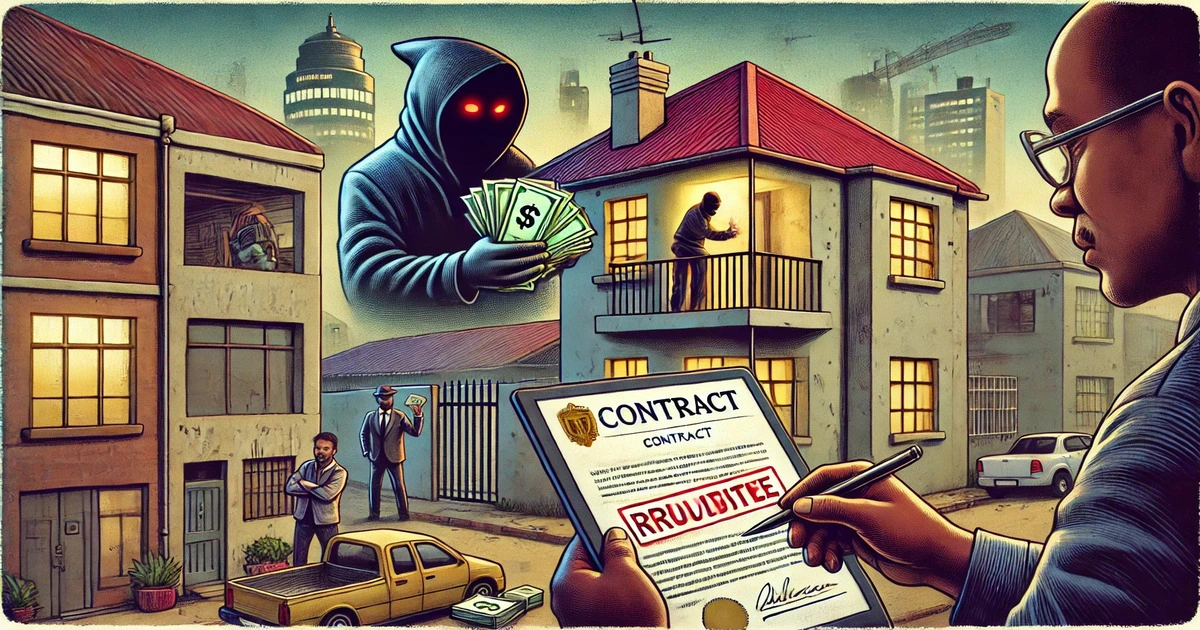
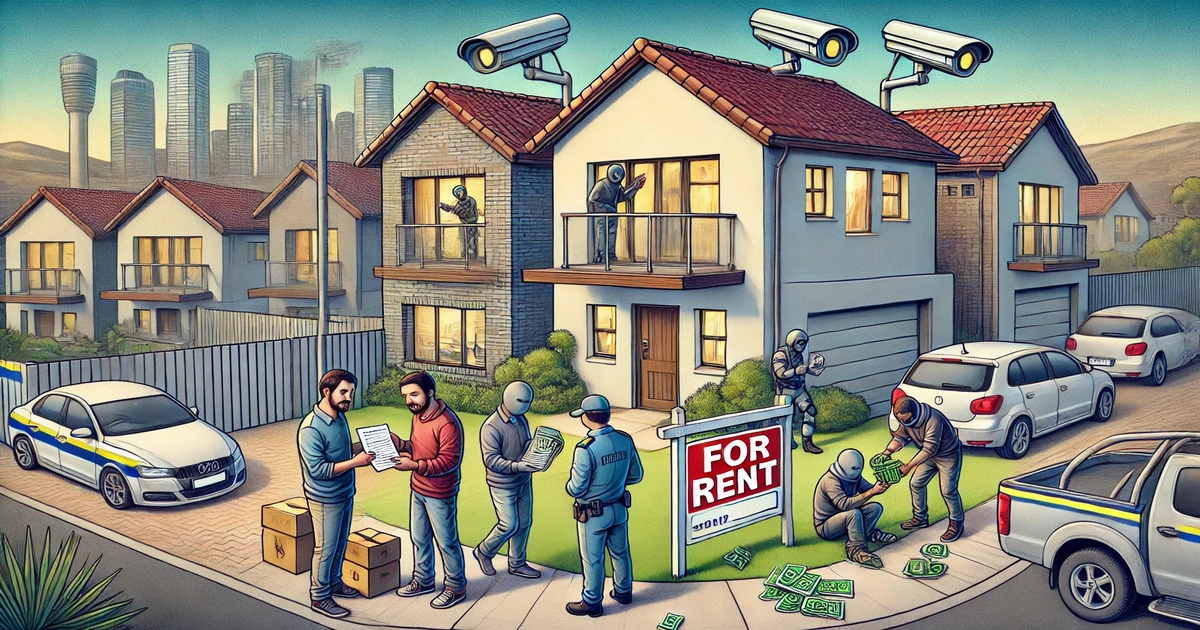
Collecting Rent Made Easy: A Guide for Self-Managing Landlords
Managing rental property without the help of an agent can be rewarding, but it comes with challenges. One of the most critical aspects of property management is ensuring rent is collected on time.
Without a structured approach, landlords may face cash flow issues, strained relationships with tenants, or even legal disputes. That is why “Collecting Rent Made Easy: A Guide for Self-Managing Landlords” is essential reading for anyone handling rentals on their own.
This guide provides practical steps, modern solutions, and legal considerations that make collecting rent straightforward while maintaining professionalism.
Why Rent Collection Matters for Self-Managing Landlords
For self-managing landlords, steady rent collection is the lifeblood of property ownership. Mortgage payments, insurance, taxes, and maintenance costs all rely on a predictable income stream. When tenants delay or withhold rent, landlords face financial uncertainty.
Collecting rent made easy: a guide for self-managing landlords means landlords must adopt clear systems that reduce late payments, avoid misunderstandings, and create mutual trust.
Consistency protects landlords from unnecessary disputes and ensures tenants understand their obligations.
Choosing the Right Rent Collection Method
Modern landlords are no longer limited to cash or cheque payments. Today, multiple methods exist to make collecting rent a smooth and secure process.
Bank Transfers
Direct deposits or standing orders are among the most reliable methods for collecting rent. Tenants set up recurring payments, which reduces the risk of forgetting deadlines.
Online Payment Platforms
Payment apps and online platforms allow tenants to transfer funds instantly. These systems provide records of transactions, making bookkeeping easier.
Debit Orders
Some landlords set up debit orders to automatically withdraw rent from the tenant’s account. This ensures payment on the agreed date with minimal tenant involvement.
Cash or Cheques
While still used in some areas, these methods are riskier. Cash can be misplaced, and cheques may bounce. They also lack the transparency of digital transactions.
Collecting rent made easy: a guide for self-managing landlords highlights that digital payments not only save time but also build a professional landlord-tenant relationship.
Establishing Clear Rent Payment Terms
A well-drafted tenancy agreement is the foundation of successful rent collection. It must outline when rent is due, how it should be paid, and what happens if tenants fall into arrears.
Key Clauses to Include
- Rent due date and method of payment
- Penalties for late rent
- Grace periods (if any)
- Procedures for bounced payments
When collecting rent made easy: a guide for self-managing landlords is followed, tenants understand expectations from the start, reducing disputes later.
Using Technology to Simplify Rent Collection
Technology plays a vital role in making rent collection easy. Landlords can leverage property management software, banking apps, or even automated reminders to streamline their operations.
Benefits of Technology
- Automated receipts for tenants
- Clear transaction histories
- Scheduled reminders for due dates
- Easier accounting and tax preparation
When applied correctly, Collecting Rent Made Easy: A Guide for Self-Managing Landlords shows that technology reduces stress and saves hours of manual work.
Dealing with Late Rent Payments
Even with the best systems, some tenants may still fail to pay on time. Handling these situations calmly and professionally is essential.
First Step: Communication
Send a polite reminder as soon as the rent becomes overdue. Many delays are simple oversights.
Second Step: Written Notice
If payment is not received within the grace period, issue a written notice. This formalises the request and shows seriousness.
Third Step: Legal Action
Persistent non-payment may necessitate legal steps, such as serving a notice to quit or pursuing eviction proceedings. Always follow local tenancy laws.
Collecting rent made easy: a guide for self-managing landlords stresses that consistency in dealing with arrears demonstrates fairness and professionalism.
Maintaining Professionalism While Self-Managing
Tenants respect landlords who separate personal feelings from business decisions. By keeping rent collection professional, landlords avoid emotional conflicts.
Tips include:
- Always issue receipts, even for digital payments
- Keep personal and rental bank accounts separate
- Never accept partial payments without written agreements
Collecting rent made easy: a guide for self-managing landlords means setting boundaries and treating rental property as a business.
Encouraging On-Time Payments
Preventing late payments is better than chasing arrears. Incentives can encourage tenants to pay on time.
- Offer small discounts for early payments
- Provide flexible payment dates that align with salary cycles
- Maintain the property well, reinforcing tenant satisfaction
When tenants feel valued, they are less likely to miss payments. Collecting rent made easy: a guide for self-managing landlords recommends rewarding positive behaviour instead of only penalising negative actions.
Legal Considerations for Rent Collection
Each country has its own rental laws. In South Africa, for instance, the Rental Housing Act regulates rent collection, arrears, and dispute resolution.
In the UK, landlords must follow the terms of the tenancy agreement and eviction rules if payments are stopped.
Key legal points:
- Rent must be charged as agreed in writing
- Receipts must be provided on request
- Interest or penalties must comply with the law
- Eviction processes must follow due legal procedure
Collecting rent made easy: a guide for self-managing landlords is about being compliant while protecting your rights as a landlord.
Practical Steps to Set Up Rent Collection
For landlords new to self-management, a step-by-step approach makes the process easier.
- Open a dedicated rental account.
- Include clear rent terms in tenancy agreements.
- Choose digital payment methods for transparency.
- Set reminders for tenants before due dates.
- Keep records of every payment received.
Collecting rent made easy: a guide for self-managing landlords proves that preparation and structure reduce disputes and support a smooth landlord experience.
Managing Multiple Properties
If you manage more than one rental, organising rent collection becomes even more critical. Property management software can track payments across multiple tenants, issue automated invoices, and flag accounts that are overdue.
Collecting rent made easy: a guide for self-managing landlords shows that landlords with multiple units benefit most from centralised, automated systems.
The Role of Tenant Screening in Rent Collection
Reliable tenants make rent collection stress-free. Proper screening at the start reduces the likelihood of arrears.
- Run credit checks
- Verify employment and income
- Request previous landlord references
- Meet tenants personally before signing agreements
Collecting rent made easy: a guide for self-managing landlords begins with selecting responsible tenants who are financially stable.
Communication is Key
A healthy landlord-tenant relationship makes rent collection smoother. When tenants feel comfortable communicating, they are more likely to inform you in advance about potential payment issues.
- Be approachable but professional
- Respond to maintenance requests promptly
- Keep communication clear and respectful
Collecting rent made easy: a guide for self-managing landlords is not only about systems but also about human interaction.
When Tenants Struggle to Pay
Economic hardship or unexpected circumstances may cause tenants to fall behind on their rent. In such cases, consider negotiation before resorting to legal action.
- Offer temporary payment plans
- Allow short-term rent deferment
- Connect tenants with financial support services
Collecting rent made easy: a guide for self-managing landlords encourages finding practical solutions while still protecting landlord rights.
Future Trends in Rent Collection
The future of rent collection is moving further towards automation. Blockchain-based payment systems, AI-driven reminders, and fully integrated landlord apps are set to dominate the market soon.
Landlords who adopt technology early will benefit from fewer disputes and faster payments. Collecting rent made easy: a guide for self-managing landlords is about adapting to these changes and staying ahead.
FAQs
What is the best method for rent collection?
Digital transfers or debit orders are the most reliable methods because they ensure traceable and timely payments.
Can landlords charge late fees?
Yes, but only if the tenancy agreement allows it and local laws permit it.
What should landlords do if tenants don’t pay rent?
Start with reminders, follow with written notices, and, if necessary, pursue legal eviction while adhering to the correct procedures.
How can landlords avoid late rent?
Establish clear agreements, utilise automated payment systems, and maintain open lines of communication with tenants.
Is rent collection software worth it?
Yes. For landlords managing multiple properties, software simplifies tracking, reduces errors, and ensures transparency.
Conclusion
For landlords who manage their own properties, rent collection can feel overwhelming at first. However, with clear agreements, the right payment systems, and consistent communication, collecting rent becomes straightforward.
Collecting rent made easy: a guide for self-managing landlords is not about chasing tenants but about creating structured systems that protect income, maintain professionalism, and ensure tenants understand their responsibilities.
By embracing technology, maintaining legal compliance, and fostering proactive communication, landlords can transform rent collection from a challenge into a straightforward routine.
Don’t go through it alone — South Africa’s landlords stand together.
When you join the Landlords Association of South Africa, you gain more than just membership; you gain a robust network of support. From expert legal advice and vital landlord resources to guidance on dealing with problem tenants, we stand with you every step of the way.
For just 2 rand a day, you can access professional advice, proven tools, and a community that understands the challenges of both commercial and residential property management.
Join today and experience the confidence of knowing you’re never facing it alone.
Our Top Read Blogs:
How to Sell a House in South Africa Fast
Disclaimer:
This post is for general use only and is not intended to offer legal, tax, or investment advice; it may be out of date, incorrect, or maybe a guest post. You are required to seek legal advice from a solicitor before acting on anything written hereinabove.