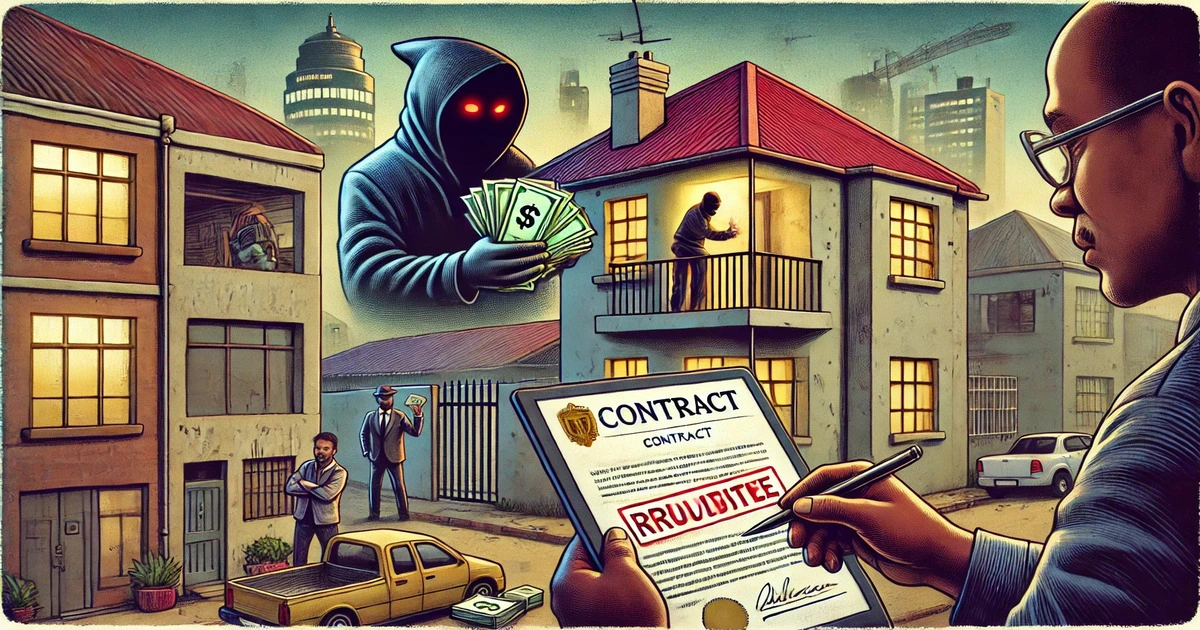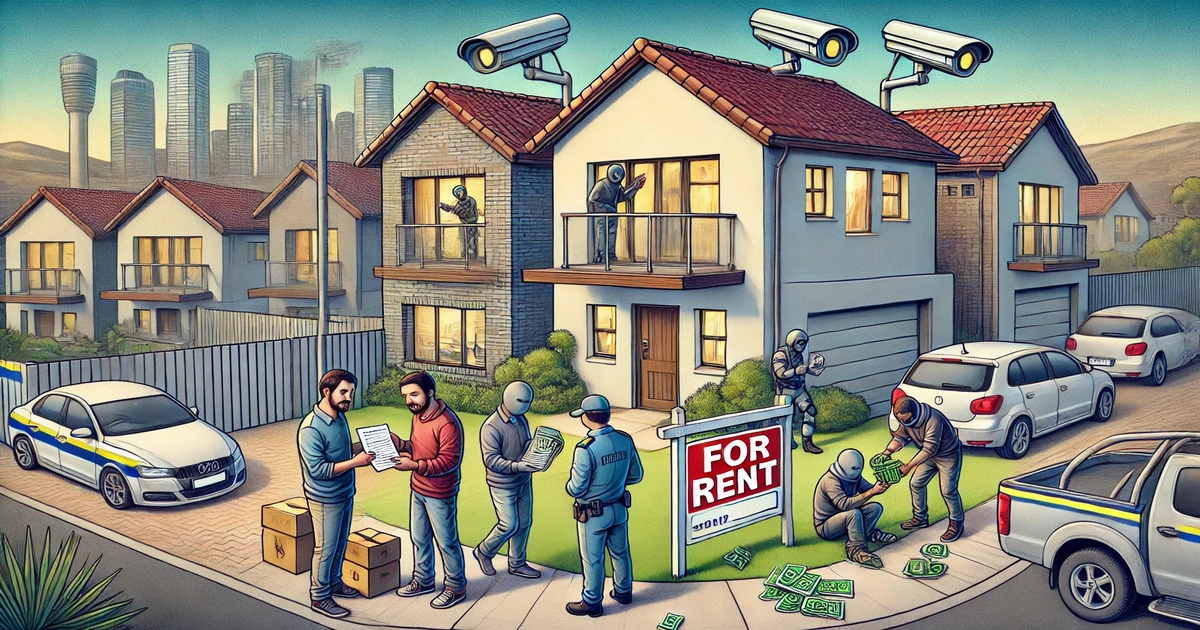
The Complete Checklist for Landlords Who Want to Self-Manage Their Rentals
Many South African landlords are choosing to manage their own properties instead of using letting agents. While this option requires more involvement, it can save money and give landlords direct control over their investments.
The comprehensive checklist for landlords who wish to self-manage their rentals encompasses legal compliance, tenant screening, record-keeping, and ongoing maintenance. By following this guide, landlords can ensure successful property management while maximising profits.
Understanding Legal Requirements
The first step in the complete checklist for landlords who want to self-manage their rentals is knowing South African rental law. Landlords must comply with the Rental Housing Act, Consumer Protection Act, and eviction laws under the PIE Act.
Understanding these regulations helps avoid disputes and ensures that landlords act within the law.
Preparing a Strong Lease Agreement
A detailed lease agreement is the foundation of every rental relationship. It must include rent amounts, payment dates, deposit terms, maintenance obligations, and termination procedures.
A clear lease prevents misunderstandings and protects both landlord and tenant. This is a crucial part of the comprehensive checklist for landlords who wish to self-manage their rentals.
Screening Tenants Thoroughly
Choosing the right tenant is critical. Landlords should check a tenant’s credit history, verify their employment, and request references from previous landlords.
Affordable credit checks are available through companies like TPN. Careful screening reduces the risk of rent arrears and disputes.
Conducting Property Inspections
A move-in inspection with a signed checklist ensures both parties agree on the property’s condition. Regular inspections throughout the lease help identify problems early.
At the end of the lease, an exit inspection protects landlords during deposit disputes. Inspections form a vital part of the complete checklist for landlords who want to self-manage their rentals.
Managing Deposits Correctly
Deposits must be placed in an interest-bearing account. At the end of the lease, landlords may only deduct for unpaid rent, damages beyond fair wear and tear, or unpaid utilities. Landlords must provide proof of damages with inspection reports.
Collecting Rent Efficiently
Rent should be collected on time and recorded properly. Many landlords prefer electronic transfers to keep clear records. If tenants fall behind, landlords must send a written letter of demand before taking further steps.
Handling Repairs and Maintenance
South African law requires landlords to keep rental properties in a habitable condition. Tenants are responsible for day-to-day maintenance, but landlords are accountable for addressing structural or safety issues. Prompt repairs prevent disputes and keep tenants satisfied.
Keeping Proper Records
Good record-keeping includes signed leases, proof of payments, inspection reports, and all correspondence. These records are essential if disputes end up at the Rental Housing Tribunal.
Building Good Tenant Relationships
Direct communication with tenants builds trust and cooperation. Tenants who feel respected are more likely to care for the property and stay longer. Strong relationships are a cost-saving strategy that reduces vacancies.
Using the Rental Housing Tribunal
If disputes cannot be resolved directly, landlords can approach the Rental Housing Tribunal for assistance. This free service handles rent disputes, maintenance complaints, and disputes over deposits.
Knowing how to use the Tribunal effectively is part of the complete checklist for landlords who want to self-manage their rentals.
Planning for Evictions Lawfully
If a tenant refuses to pay or breaches the lease, eviction may be necessary. South African law requires landlords to follow the Prevention of Illegal Eviction Act.
Only the courts can issue eviction orders. Attempting self-eviction is illegal and can result in penalties.
Staying Organized and Proactive
Self-management requires planning and organization. Using checklists, calendars, and digital tools helps landlords track rent due dates, inspection schedules, and maintenance tasks. Being proactive reduces stress and ensures smooth operations.
FAQs
Is it legal to manage a rental property without an agent in South Africa?
Yes, as long as you comply with the Rental Housing Act and other relevant laws.
How can I protect myself during deposit disputes?
Always conduct incoming and outgoing inspections with photographic evidence to document the condition of the items.
What should I do if a tenant stops paying rent?
Issue a letter of demand, keep proper records, and if needed, approach the Rental Housing Tribunal or begin lawful eviction proceedings.
Do I need to register my lease agreement?
Not all leases require registration; however, long-term leases (those lasting over 10 years) must be registered with the Deeds Office.
How often should I inspect my property?
At least once every six months, in addition to the incoming and outgoing inspections.
Conclusion
The comprehensive checklist for landlords who wish to self-manage their rentals encompasses every stage of the landlord-tenant relationship, from tenant selection to lawful evictions.
By following the law, keeping clear records, and maintaining open communication, landlords in South Africa can reduce costs and increase control. Self-management requires time and commitment, but the rewards include increased profitability and a deeper connection to your investment.
Don’t go through it alone — South Africa’s landlords stand together.
When you join the Landlords Association of South Africa, you gain more than just membership; you gain a robust network of support. From expert legal advice and vital landlord resources to guidance on dealing with problem tenants, we stand with you every step of the way.
For just 2 rand a day, you can access professional advice, proven tools, and a community that understands the challenges of both commercial and residential property management.
Join today and experience the confidence of knowing you’re never facing it alone.
Our Top Read Blogs:
How to Sell a House in South Africa Fast
Complete Process of Tenant Eviction in South Africa
What Can I Do If A Tenant Is Neglecting My Property
Useful External Links
https://www.gov.za/documents/consumer-protection-act
https://www.gov.za/documents/prevention-illegal-eviction-and-unlawful-occupation-land-act
Disclaimer:
This post is for general use only and is not intended to offer legal, tax, or investment advice; it may be out of date, incorrect, or maybe a guest post. You are required to seek legal advice from a solicitor before acting on anything written hereinabove.