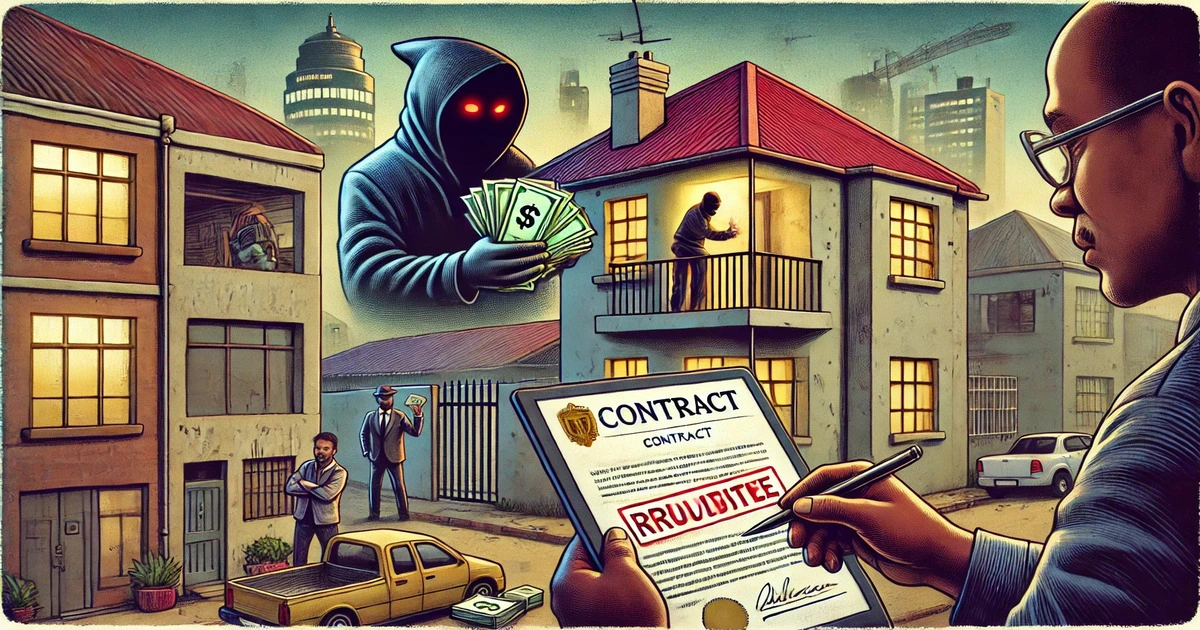
What You Must Have in Place Before You Can Legally Let a Property in South Africa
Letting out a residential property in South Africa comes with serious legal responsibilities. Many new landlords rush into the rental market without understanding their obligations. This can lead to disputes, fines, and even eviction challenges.
It is essential to prepare everything properly before you can legally let a property. That means meeting legal, structural, and administrative requirements. Failing to comply can result in major consequences.
This guide sets out everything you need to have in place. It applies to anyone about to rent out a home, flat, apartment, or room.
Ensure the Property is Habitable and Safe
The first thing to do before you can legally let a property is to make sure it is safe to live in. A habitable property must be structurally sound. The roof must not leak. Windows must close and lock. Doors should work properly. There must be no major cracks in the walls.
Electricity, water, and sanitation must be working. The home should not have pest infestations. It must be dry and ventilated. Mould and damp can make a property unhealthy and may lead to legal action from tenants.
Heating and hot water must be functional. The toilets must flush, and taps must run clean water. These are minimum standards of habitability.
Get a Valid Electrical Compliance Certificate
No rental is legal without a valid electrical compliance certificate. This confirms the electrical system is safe. It is issued by a qualified electrician registered with the Department of Employment and Labour.
This certificate must be obtained before the tenant’s move-in date. It is valid for two years unless changes are made to the electrical setup. Letting a property without this certificate is dangerous and unlawful.
It also protects you from liability in the event of an electrical fire or shock.
Plumbing and Water Systems Must Work
All plumbing and sanitation must be functional. The geyser should be installed with a drip tray and a safety valve. Toilets should flush and not leak. Taps must not drip or burst. There must be no signs of water damage or corrosion.
In cities like Cape Town, some local by-laws require a plumbing certificate before letting or selling a property. It’s best practice to ensure compliance in all major cities.
Water systems should not waste water or cause structural damage. Fixing leaks and maintaining pressure is essential.
Check for Gas Compliance (If Applicable)
If your property includes a gas stove, geyser, or heater, you need a Gas Compliance Certificate. A registered gas installer issues this. It is a legal requirement.
Gas systems can be dangerous if not installed correctly. Before you can legally let a property that uses gas, you must ensure compliance. This also protects your insurance coverage.
If changes are made to the gas system, a new certificate is needed. Never allow a tenant to move in without this document in place.
Zoning Must Allow Residential Letting
Many landlords forget to check zoning. Before letting a room, flat, or house, ensure the zoning allows for residential letting. Some sectional title properties or estates have restrictions on subletting or running a rental business.
You may also need special consent to operate student housing or shared accommodation. Always check with your local municipality. Letting a property in the wrong zoning category can lead to forced closure or fines.
If you plan to rent a commercial unit, zoning must also match the activity allowed.
Written Lease Agreement is Essential
You must have a lease agreement signed before the tenant moves in. Verbal agreements are legally valid but not advisable. A written lease offers protection for both parties.
The lease should include:
- Names and ID numbers
- Property address
- Rental amount and due date
- Deposit amount
- Responsibilities for repairs
- Termination process
- Notice periods
- Inspection procedures
Avoid illegal or unfair clauses. The agreement must comply with the Rental Housing Act and the Consumer Protection Act. Avoid using outdated or one-size-fits-all templates.
Tenant Must Receive a Receipt for All Payments
Receipts must be issued for every rent or deposit paid. This is required under the Rental Housing Act. Keep copies for at least three years.
This helps avoid future disputes. A payment log is your record if the tenant ever claims they paid more or less than the amount stated. Use a standard receipt book or automated system. Ensure that both the landlord and tenant have access to their payment history.
Deposit Must Be Handled Legally
Before you can legally let a property, you must understand how to handle deposits. You are required to place the deposit in an interest-bearing account. The interest belongs to the tenant.
At the end of the lease, the deposit must be refunded within 14 days. Any deductions must be explained with written quotes or invoices. You cannot simply keep part of the deposit without proof.
A joint inspection is required before and after the lease. This documents the condition of the property. The tenant must be present.
Inventory and Photos Are Recommended
Create a detailed inventory of what’s in the property. Note the condition of furniture, fixtures, and appliances. Photograph each room. Let the tenant sign the inventory when moving in.
This prevents disputes when the tenant moves out. If something is damaged, you have evidence to support your claim. The photos should be time-stamped.
The inventory should form part of the lease as an annexure. Keep it updated every time the tenant changes.
Comply with the Consumer Protection Act
If your lease is fixed-term and the tenant is a natural person, the Consumer Protection Act applies. This law allows the tenant to cancel with 20 business days’ notice. You may charge a reasonable cancellation penalty.
The lease must be in plain language. You must disclose any defects or risks before signing. If the property has structural problems, inform the tenant.
Failing to follow this law can result in the lease being voided or fines being imposed by the Consumer Commission.
Make Sure All Municipal Charges Are Paid
Before you can legally let a property, ensure there are no outstanding municipal bills. If water or electricity is cut off, the tenant will suffer, and they may take legal action against the landlord.
Even if the lease says the tenant must pay for services, the municipality may hold you liable. Always keep the account current. You can recover charges from the tenant if this is written into the lease.
Prepaid meters are a smart way to avoid billing issues.
Register with the Rental Housing Tribunal (If Required)
Some provinces require landlords to register with the local Rental Housing Tribunal. This ensures that both parties can access a formal dispute resolution process.
The Tribunal can assist with complaints about rent, repairs, deposits, and unfair practices. You can also use it to resolve disputes without having to go to court.
Check with your provincial department to see if registration is mandatory in your area.
Landlord Insurance and Liability Cover
Basic homeowner’s insurance may not cover rental properties. Before letting a property, contact your insurer. Make sure you have landlord-specific insurance. This may include:
- Buildings insurance
- Public liability
- Loss of rental income
- Contents insurance (for furnished properties)
If a tenant or visitor is injured on your premises, you may be held liable. Insurance gives you peace of mind and financial protection.
Fire Safety and Emergency Equipment
Properties must meet fire safety regulations. Smoke alarms should be installed. Fire extinguishers must be available in shared buildings. Emergency exits must be clear.
If your property has multiple units or tenants, ensure each unit is accessible and safe in the event of an emergency. Fire doors must be functional and unlocked at all times. Corridors must be free of clutter.
Complying with fire regulations reduces the risk of injury and improves tenant safety.
Tenant Screening is Strongly Recommended
While not a legal requirement, vetting tenants is one of the most crucial steps before you can legally rent out a property. Perform a credit check. Ask for proof of income. Call previous landlords for references.
Unscreened tenants can lead to non-payment, vandalism, or long legal disputes. A tenant with a clean track record is more likely to pay on time and maintain the property.
Use standard application forms and keep all documentation.
Understand Legal Eviction Procedures
No tenant can be evicted without a court order. Even if they stop paying rent, you must follow due process. This includes providing notice, filing a petition with the court, and attending a hearing.
You cannot disconnect water or electricity or change the locks. This is illegal and can result in severe penalties.
If you think eviction may become necessary, consult an attorney or the Rental Housing Tribunal. Understand the full legal process before you let your property.
Conclusion
There are several legal and practical steps to take before you can legally rent out a property in South Africa. From certificates to lease agreements, everything must be done properly. A mistake or omission could cost you thousands of rands and years of stress.
Letting a property is a business, not a side project. Treat it with professionalism. Do your homework. Ensure compliance with national law and local rules. Once you’ve done that, you’ll be ready to welcome tenants with confidence.
Useful External Links
https://www.gov.za/documents/rental-housing-act
https://www.justice.gov.za/tribunals/rht/rentalhousing.html
https://www.lpgas.co.za
https://www.westerncape.gov.za/service/rental-housing-tribunal
https://www.labour.gov.za
Membership with the South African Landlords Association provides access to expert advice, legal resources, and a community of like-minded professionals.
Enhance your rental management experience and protect your investments by joining today!
Our Top Read Blogs:
Disclaimer:
This post is for general use only and is not intended to offer legal, tax, or investment advice; it may be out of date, incorrect, or maybe a guest post. You are required to seek legal advice from a solicitor before acting on anything written hereinabove.