Top Challenges Facing South African Landlords in 2025
South Africa’s rental property sector stands at a critical crossroads in 2025. The economic environment, legal reforms, shifting tenant expectations, and structural problems in service delivery all combine to create a landscape that is as complex as it is unpredictable.
For landlords—whether large portfolio investors, small-scale private owners, or social housing providers—these challenges demand careful attention, strategic planning, and resilience.
Economic Pressures and Affordability Issues
Rising Cost of Living and Tenant Defaults
The rising cost of living in South Africa has put intense pressure on tenants. Higher fuel prices, increased food costs, and surging utility bills have reduced disposable incomes. For landlords, this often translates to tenants falling behind on rent, negotiating partial payments, or even defaulting on their payments entirely.
Tenants’ inability to keep up with escalating living costs impacts landlords’ cash flow and profitability, particularly those who rely on rental income to cover mortgage repayments or other property expenses.
The problem is particularly severe in middle- and lower-income markets, where tenants are especially price-sensitive.
Interest Rate Environment
South Africa’s interest rates have seen sustained pressure over recent years. Although the South African Reserve Bank’s rate decisions are designed to combat inflation, they have a direct effect on mortgage repayments.
Landlords with financed properties face higher monthly costs, which reduce their profit margins and, in some cases, force rent increases that tenants cannot afford.
Regulatory and Legal Changes
Rental Housing Act Compliance
The Rental Housing Act continues to evolve, with a strong emphasis on tenant rights and fairness in lease agreements. Landlords are required to provide written leases with a prescribed minimum content, maintain habitable premises, and manage deposits by prescribed guidelines.
Failure to comply can result in disputes being referred to the Rental Housing Tribunal, which has the authority to make binding decisions.
Many landlords—especially those who self-manage—find these requirements cumbersome or confusing. The penalties for non-compliance can include fines or orders to refund tenants, adding further complexity to property management.
Eviction Procedures
Evicting tenants in South Africa remains a lengthy and legally complex process. The Prevention of Illegal Eviction from and Unlawful Occupation of Land Act (PIE) requires landlords to follow strict procedures, obtain court orders, and prove that the eviction is just and equitable.
The courts take tenants’ circumstances into account, sometimes delaying or denying evictions to avoid creating homelessness.
As a result, landlords dealing with non-paying or destructive tenants face significant delays in regaining possession, with lost rental income and additional legal costs.
Rent Control Discussions
There are growing public debates around rent control or rental price regulation in certain urban areas where affordable housing is scarce. Although no national rent control policy is currently in place, the risk of future regulation adds uncertainty for landlords considering long-term investments in the sector.
Utilities and Municipal Services Challenges
Unreliable Service Delivery
Municipal services remain inconsistent in many regions. Power outages due to load shedding, water interruptions, failing sewage systems, and uncollected refuse all degrade the quality of rental properties and tenant satisfaction.
Landlords find themselves responsible for damage caused by these issues (for example, burst pipes from water pressure surges or electrical surges frying appliances), leading to increased maintenance costs.
Additionally, poor service delivery can drive tenants away from affected areas, suppressing demand and rental yields.
Rising Utility Costs
Municipalities and Eskom have implemented tariff hikes well above inflation in many cases. Landlords who include utilities in rent see their margins squeezed. At the same time, those who exclude them face tenant pushback over unaffordable bills.
In sectional title schemes, levies often rise significantly to cover bulk utility increases and maintenance backlogs, making these properties less attractive to tenants.
Security Concerns
Crime Rates and Tenant Perceptions
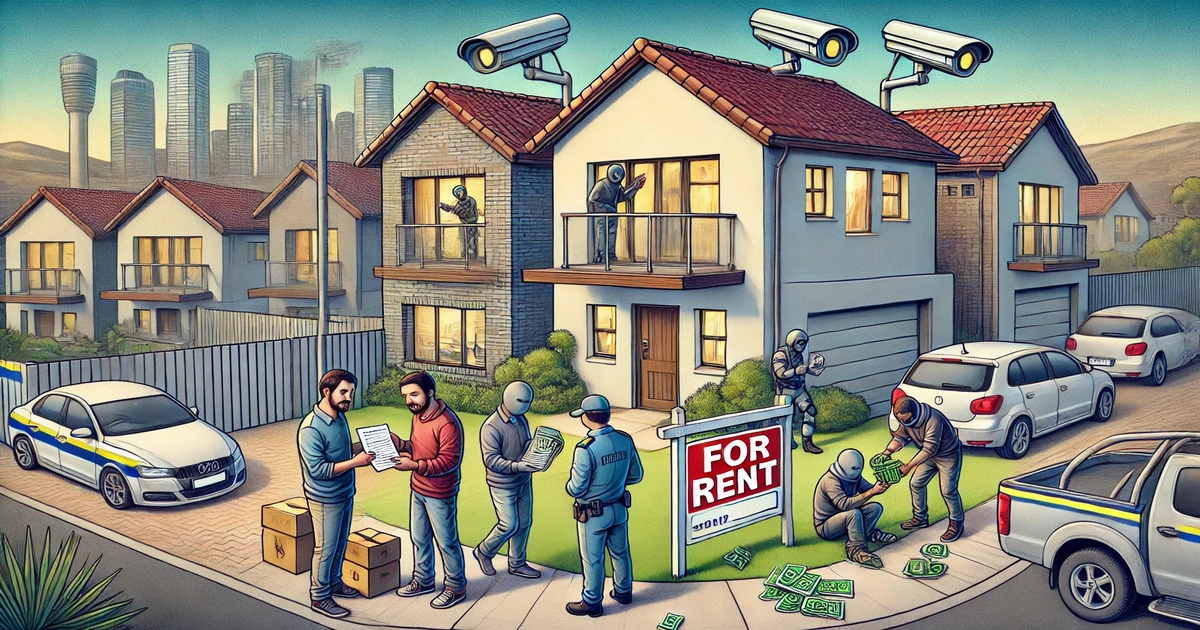
Crime remains a serious issue in many parts of South Africa. Tenants prioritise secure housing, which increases pressure on landlords to invest in security infrastructure such as burglar bars, electric fencing, alarms, and armed response contracts.
These investments increase upfront and operational costs for landlords. Properties without adequate security can experience more extended vacancy periods and lower achievable rents.
Impact on Insurance Costs
High crime risk also drives up insurance premiums, particularly in urban centres. Insurers may impose conditions on landlords, such as minimum security standards, and can refuse claims if these aren’t met.
Tenant Expectations and Demands
Shift Towards Quality and Amenities
Many tenants today expect more than just a roof over their heads. Internet connectivity, modern finishes, secure parking, and communal amenities are increasingly seen as non-negotiable. The “Airbnb effect” has also raised expectations for short-term rental properties, even in long-term markets.
This trend demands continuous reinvestment from landlords to keep properties attractive and competitive, which can be challenging to fund in a tight rental market.
Pressure for Flexible Terms
Particularly among younger, mobile tenants, there is demand for more flexible lease terms. While traditional 12-month contracts remain the standard, an increasing number of tenants prefer shorter or rolling leases. This reduces landlords’ income security and increases turnover costs.
Market Oversupply in Certain Segments
Urban Apartment Glut
Some cities, particularly Johannesburg and parts of Pretoria, have seen significant development of sectional title flats and new apartment blocks. This has led to oversupply in specific price brackets, pushing landlords to lower rents or offer incentives to attract tenants.
This is compounded by remote work trends that have reduced demand for central city living among higher-income tenants.
Vacancy Rates
Vacancy rates remain elevated in many parts of the country. High vacancies force landlords to compete aggressively on price and absorb tenant demands for upgrades or discounts, further eroding their profitability.
Property Maintenance and Ageing Stock
Backlog of Maintenance
South Africa’s ageing housing stock in established suburbs often requires extensive maintenance to remain habitable and competitive. Deferred maintenance leads to higher costs over time and a greater risk of tenant disputes.
Inflation in materials and labour costs, exacerbated by the weaker rand and global supply chain issues, has significantly increased the cost of routine repairs and renovations in 2025.
Compliance with Safety Standards
Municipalities are tightening enforcement of building codes and safety standards, including electrical compliance certificates and gas installations. Non-compliance can delay new tenancies, complicate sales, or result in fines and penalties.
Financial Pressures on Landlords
Arrears and Cash Flow Stress
Tenant arrears continue to be a top concern for landlords. Even partial non-payment creates cash flow stress, especially for landlords with mortgages to service. Many small-scale landlords depend on rental income to meet their own living expenses or retirement needs.
Difficulty in Accessing Finance
Banks remain cautious in lending to landlords with high debt-to-income ratios, especially given market uncertainty. Higher interest rates make refinancing or expanding portfolios expensive. Many landlords struggle to secure funding for upgrades or new purchases.
Economic and Political Uncertainty
Currency Volatility
The rand remains vulnerable to global and domestic political shocks. Currency weakness drives up the cost of imported materials, equipment, and even insurance. For foreign investors in the rental market, this adds a layer of risk that may dampen the appetite for South African property.
Policy Instability
Changes in municipal leadership, shifting political alliances, and local government dysfunction can lead to sudden changes in rates, service delivery quality, or local bylaws. Landlords operating in such an environment must stay alert and adaptable.
Informal Tenancies and Unregulated Market
Challenges in Township and Informal Rentals
A large proportion of South Africa’s rental market is informal, with room rentals, backyard flats, and subletting common in townships and lower-income areas. While this market meets a critical housing need, it is often unregulated, lacking formal leases and enforcement mechanisms.
Landlords in this segment face unique challenges in collecting rent, ensuring property upkeep, and managing tenant turnover, all without the legal protections afforded by formal leases.
Lack of Support for Small Landlords
Many small landlords have limited resources and little professional training. They often lack knowledge of their rights and responsibilities under the law, making them vulnerable to exploitation by tenants or unscrupulous service providers.
Technological Disruption and Opportunity
Digital Marketing and Tenant Screening
Tenant expectations for easy online viewing, applications, and communication require landlords to adopt digital tools. While these improvements enhance efficiency and reach, they also come with costs and a learning curve.
Digital tenant screening is a growing trend, but landlords must strike a balance between thoroughness and respect for data privacy laws.
Smart Home Expectations
Higher-income tenants may expect smart meters, security cameras, and remote access systems. These upgrades can enhance marketability and management, but they involve significant initial costs.
Climate Change and Environmental Pressures
Water Scarcity
South Africa remains vulnerable to drought. In Cape Town, Day Zero remains a cautionary tale, and many other regions face similar unreliable supply issues. Landlords are increasingly expected to provide water-saving solutions such as rainwater tanks, low-flow fixtures, or boreholes, which involve upfront investment.
Energy Efficiency Demands
With load shedding a daily reality, tenants value properties with solar power, backup batteries, and energy-efficient appliances. Installing these features is expensive, but it is increasingly necessary for competitiveness.
Strategies for Landlords to Navigate 2025
Professionalising Management
Many landlords are choosing to outsource management to professionals or invest in training to understand the legal, financial, and operational complexities of the market.
Careful Tenant Selection
Screening tenants thoroughly, verifying employment and credit history, and requiring written leases can help reduce arrears and disputes.
Diversifying Portfolios
Some landlords are diversifying geographically or by property type to spread risk, investing in areas with strong demand or lower-maintenance assets.
Embracing Technology
Online marketing, automated rent collection, and tenant communication tools improve efficiency and tenant satisfaction.
Investing in Resilience
Upgrades such as solar power, water tanks, and improved security not only attract tenants but also protect landlords from service disruptions and cost increases.
FAQs
What is the biggest challenge for landlords in South Africa in 2025?
The single biggest challenge is balancing affordability for tenants with the rising costs landlords face, including mortgage repayments, utilities, maintenance, and security.
How can landlords reduce tenant arrears?
Careful screening, straightforward written leases, prompt communication about problems, and using professional collection services can help reduce arrears.
Are eviction laws changing in 2025?
While the underlying law remains the same, enforcement continues to focus on fairness and avoiding homelessness, making evictions a slow and costly process.
What role does load shedding play in the rental market?
Load shedding can reduce tenant satisfaction and damage appliances. Properties with backup power solutions are increasingly in demand.
How do landlords cope with rising utility costs?
Some pass these costs onto tenants, while others invest in efficiency upgrades or renewable energy to manage long-term costs.
Is it worth being a landlord in South Africa in 2025?
Despite the challenges, many landlords continue to see property as a solid long-term investment, especially if they manage risks carefully and adapt to market changes.
What support is available for small landlords?
Landlord associations, legal services, and property management firms can all provide support. However, many small landlords still manage informally without professional help.
How can landlords deal with crime risks?
Investing in security measures, collaborating with neighbourhood watch groups, and ensuring tenants feel secure is crucial to attracting and retaining renters.
Will rent control be introduced in South Africa?
Currently, there is no national rent control in place, but the topic is being debated in select cities. Landlords should stay aware of local policy developments.
In 2025, South African landlords will face a complex and rapidly evolving environment that requires adaptability, knowledge, and strategic investment. Those who navigate these challenges carefully can still find success and security in the property market. Still, it demands more skill and planning than ever before.
Useful External Links
South African Government – Rental Housing Act PDF
www.gov.za/documents/rental-housing-act
TPN Credit Bureau (Tenant Profile Network)
Membership with the South African Landlords Association provides access to expert advice, legal resources, and a community of like-minded professionals.
Enhance your rental management experience and protect your investments by joining today!
Our Top Read Blogs:
How to Sell a House in South Africa Fast
Complete Process of Tenant Eviction in South Africa
South African Property Tax: Comprehensive Guide to Definition, Calculation, and Revenue Impact
Disclaimer:
This post is for general use only and is not intended to offer legal, tax, or investment advice; it may be out of date, incorrect, or maybe a guest post. You are required to seek legal advice from a solicitor before acting on anything written hereinabove.