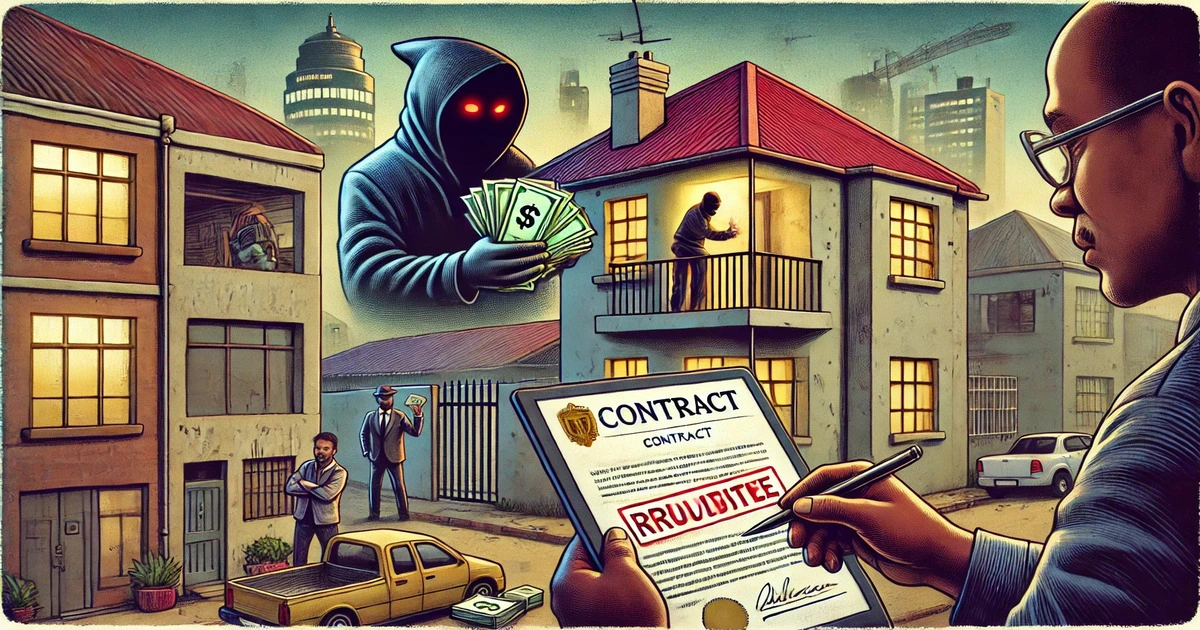
What Happens to the Deposit if the Tenant Leaves Early? South Africa
When a tenant moves into a rental property, one of the first obligations is paying a deposit. This deposit acts as a financial safeguard for landlords, ensuring they are protected if the tenant damages the property, fails to pay rent, or breaches the lease.
But what happens when a tenant leaves before the lease period ends? In South Africa, the rules around deposits, early termination, and landlord rights are set out in the Rental Housing Act (1999) and the Consumer Protection Act (CPA, 2008).
This article will explore in detail what happens to the deposit if the tenant leaves early, the legal process landlords must follow, and how both tenants and landlords can protect themselves in such situations.
Understanding the Role of the Deposit
A deposit is not just a security blanket for the landlord, it is a legal requirement that ensures fairness between both parties. The amount is usually equal to one or two months’ rent, and it is held in trust by the landlord or managing agent.
According to the Rental Housing Act, deposits must be placed in an interest-bearing account, and the tenant is entitled to claim the accrued interest at the end of the tenancy.
When a tenant leaves early, landlords often believe they can automatically forfeit the deposit. However, the law requires that landlords follow a particular process before withholding any amount.
Early Termination of Lease Agreements in South Africa
The Consumer Protection Act (CPA) plays a crucial role in early lease cancellations. A tenant has the right to cancel a lease agreement by giving 20 business days’ notice in writing, even before the lease period ends.
While this protects tenants from being “locked” into a lease, it also protects landlords by allowing them to claim reasonable penalties for early termination.
For landlords, “reasonable penalty” can include:
- Loss of rental income while the property is vacant.
- Advertising and agent costs to find a new tenant.
- Administrative costs linked to processing the cancellation.
The law, however, prevents landlords from imposing excessive or punitive penalties.
What Happens to the Deposit If the Tenant Leaves Early?
If a tenant cancels the lease early, the landlord cannot simply keep the deposit without following due process. The law provides a step-by-step framework:
Inspection of the Property
When the tenant gives notice, the landlord must arrange an exit inspection within three days before or after the tenant vacates. The purpose is to check whether the property has been damaged beyond fair wear and tear.
If there are damages, the landlord can deduct the cost of repairs from the deposit. However, invoices or proof of expenses must be provided.
Settlement of Outstanding Rent
If the tenant leaves early and has unpaid rent up to the cancellation date, the landlord can deduct it from the deposit.
For example, if the tenant gives notice but fails to pay the final month’s rent, the deposit can cover this shortfall.
Reasonable Penalty Deductions
Landlords can also use part of the deposit to cover “reasonable penalties” allowed under the CPA. This could include the cost of advertising or the commission charged by a letting agent to secure a new tenant.
Refund of Balance with Interest
Once deductions are made, the landlord must refund the balance of the deposit with accrued interest. According to the Rental Housing Act, this must be done within 14 days if no damages are found, or within 21 days if deductions are made.
Common Scenarios in Early Terminations
Tenant Leaves Without Notice
If a tenant abandons the property without serving notice, this is a breach of contract. In such cases, the landlord can retain the deposit to cover damages and rental arrears. The landlord may also pursue further legal action if the deposit does not cover the loss.
Tenant Gives Proper Notice but Breaks Lease Early
If the tenant follows the CPA and provides 20 business days’ notice, the landlord must still refund the deposit after making lawful deductions. Keeping the entire deposit as punishment is not legal.
Property Left in Poor Condition
If the tenant leaves the property in a damaged condition, the landlord can use the deposit to pay for repairs.
However, landlords must distinguish between normal wear and tear (like faded paint or minor carpet wear) and actual damage (such as broken windows, holes in walls, or missing fixtures). Only the latter can be deducted from the deposit.
Rights and Responsibilities of the Landlord
- Deposit in an interest-bearing account: The landlord must keep records and proof of the deposit and interest earned.
- Conduct joint inspections: Both incoming and outgoing inspections must be done with the tenant present where possible.
- Provide receipts and invoices: Any deductions from the deposit must be backed by evidence, such as receipts from contractors.
- Return balance promptly: Failure to refund the deposit in the stipulated timeframe can result in disputes before the Rental Housing Tribunal.
Rights and Responsibilities of the Tenant
- Serve proper notice: To cancel early under the CPA, tenants must give written notice of at least 20 business days.
- Attend inspections: Tenants have the right to be present at inspections to dispute or confirm alleged damages.
- Request proof of deposit: Tenants can ask landlords for bank statements showing where their deposit is being held.
- Claim interest: Tenants are entitled to the interest accrued on the deposit, regardless of whether they left early.
Disputes and the Rental Housing Tribunal
When landlords and tenants disagree about the deposit, the dispute can be referred to the Rental Housing Tribunal. This body provides a free legal forum to resolve disputes quickly without going to court. The Tribunal can order landlords to repay unlawfully withheld deposits or determine fair deductions.
Practical Tips for Landlords
- Always insist on a written lease agreement that includes clear clauses on early termination.
- Keep a detailed property condition report with photos at the start of the tenancy.
- Act quickly to re-let the property after early termination to minimise losses.
- Avoid excessive penalties that could be challenged as unlawful.
Practical Tips for Tenants
- Always give notice in writing to protect your rights.
- Keep a copy of all payment records and communications with the landlord.
- Insist on attending both the move-in and move-out inspections.
- Know your rights under the CPA and the Rental Housing Act to prevent unfair deposit deductions.
Conclusion
When a tenant leaves early in South Africa, the fate of the deposit depends on whether proper notice was given, the condition of the property, and whether there are outstanding amounts due.
The deposit cannot be automatically forfeited but must be handled according to the Rental Housing Act and Consumer Protection Act.
Landlords can deduct unpaid rent, damages, and reasonable penalties, but the balance (with interest) must be returned within the required timeframe.
Both landlords and tenants should understand their rights and obligations to avoid disputes. Ultimately, clear communication, proper inspections, and strict adherence to the law are the keys to handling deposits fairly in cases of early termination.
FAQs
What happens if a tenant leaves early without notice?
The landlord may keep the deposit to cover losses and pursue further legal action if necessary.
Can a landlord keep the entire deposit if the tenant breaks the lease?
No, only lawful deductions for rent, damages, and reasonable penalties can be made. The balance with interest must be refunded.
How long does the landlord have to return the deposit?
Within 14 days if no deductions are made, or 21 days if deductions apply.
Does the tenant still get interest on the deposit if they leave early?
Yes, the law requires landlords to refund the deposit with interest earned.
Can disputes about deposits be taken to court?
The Rental Housing Tribunal handles most disputes, but court action is possible if necessary.
Don’t go it alone — South Africa’s landlords stand together.
When you join the Landlords Association of South Africa, you gain more than just membership you gain a powerful network of support. From expert legal advice and vital landlord resources to guidance on dealing with problem tenants, we stand with you every step of the way.
For just 2 rand a day, you can access professional advice, proven tools, and a community that understands the challenges of both commercial and residential property management.
Join today and experience the confidence of knowing you’re never facing it alone.
Our Top Read Blogs:
How to Sell a House in South Africa Fast
Complete Process of Tenant Eviction in South Africa
What Can I Do If A Tenant Is Neglecting My Property
Useful External Links
Disclaimer:
This post is for general use only and is not intended to offer legal, tax, or investment advice; it may be out of date, incorrect, or maybe a guest post. You are required to seek legal advice from a solicitor before acting on anything written hereinabove.