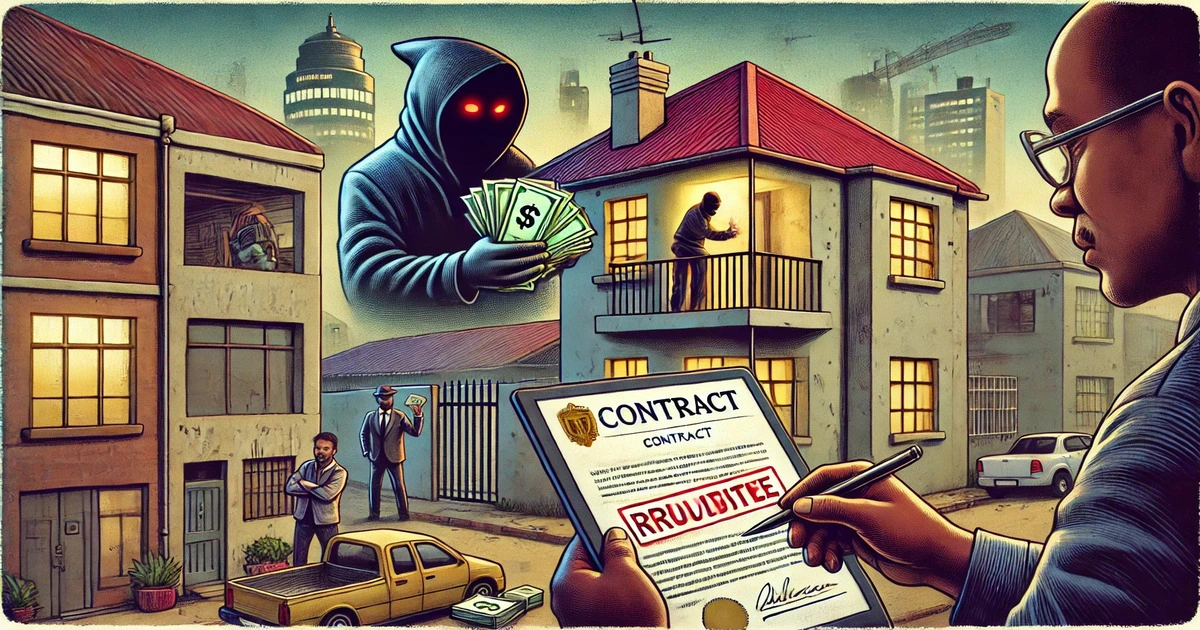
What Are My Obligations Under the Rental Housing Act and CPA (Consumer Protection Act) in South Africa?
As a landlord in South Africa, you operate within a regulated legal framework designed to protect both you and your tenants.
Two key pieces of legislation, the Rental Housing Act and the Consumer Protection Act (CPA), define your responsibilities and rights.
Understanding your obligations under these laws is crucial to avoiding disputes, staying compliant, and running a lawful rental business.
Understanding the Rental Housing Act
The Rental Housing Act governs all residential rental agreements in South Africa. Its main aim is to ensure fairness, prevent exploitation, and set minimum requirements for leases.
Whether you rent out a single room or multiple properties, the Act applies to you and outlines the rights and duties of both landlord and tenant.
Written Lease Agreements
One of your obligations under the Act is to provide your tenant with a written lease agreement if they request one.
While verbal agreements are not illegal, a written contract protects you in disputes and ensures the terms are clear. The lease must set out key information such as rental amount, deposit details, maintenance duties, and conditions of use.
Deposit Handling Requirements
If you require a deposit, the Act obligates you to invest it in an interest-bearing account and pay the interest to the tenant at the end of the lease.
You must also conduct joint incoming and outgoing inspections to determine whether any deductions will be made. Failure to follow these steps can result in legal penalties and orders from the Rental Housing Tribunal.
Maintenance Responsibilities
You are legally required to maintain the property in a habitable condition. This means ensuring that plumbing, electricity, structural elements, and safety features remain in good working order.
While tenants handle day-to-day upkeep, you must take care of major repairs promptly to prevent health and safety risks.
Respecting Tenant Privacy
The Act protects tenants from unreasonable interference. You cannot enter the property without giving reasonable notice, except in emergencies.
Respecting tenant privacy not only keeps you compliant but also builds trust and reduces conflict.
Prohibition Against Unfair Practices
The Rental Housing Act prohibits landlords from engaging in unfair practices such as illegal lockouts, excessive rent increases without agreement, or withholding essential services.
If a tenant believes you are acting unfairly, they can lodge a complaint with the Rental Housing Tribunal, which can issue binding rulings against you.
Understanding the Consumer Protection Act (CPA)
The CPA applies to fixed-term residential leases and offers additional protections to tenants, who are considered consumers under the law.
This means you, as the landlord, are the supplier of a service and must comply with the CPA’s provisions.
Disclosure of Information
Under the CPA, you must disclose all material information about the property before the tenant signs the lease.
This includes known defects, restrictions, and conditions that may affect the tenant’s use of the property. Failing to disclose this can give tenants grounds to cancel the lease or claim compensation.
Fair and Transparent Contract Terms
The CPA requires that lease agreements be written in plain, understandable language. Any terms that are unfair, unreasonable, or overly one-sided in your favour may be considered void.
Clauses must be clear, and tenants must be able to understand their rights and obligations without legal expertise.
Early Termination by the Tenant
One of the CPA’s most important provisions is the tenant’s right to terminate a fixed-term lease early.
They must give at least 20 business days’ notice, but you may recover a reasonable cancellation penalty. The penalty should be fair and reflect your actual losses, rather than serving as a punitive measure.
Automatic Renewal Clauses
If a lease is for a fixed term, the CPA requires you to notify the tenant between 40 and 80 business days before it expires.
You must inform them of any changes, such as rent adjustments, and confirm whether the lease will renew automatically or require re-signing.
Obligation to Act in Good Faith
Both the Rental Housing Act and the CPA emphasise fairness and good faith in dealings between landlords and tenants.
You must not use your position to take advantage of a tenant’s lack of knowledge or bargaining power. Instead, your dealings should be transparent and professional.
Record-Keeping Requirements
You must keep detailed records of rent payments, deposit interest, maintenance requests, and inspection reports.
If a dispute arises, having proper documentation is your best defence. The Rental Housing Tribunal and courts will rely heavily on written evidence.
Penalties for Non-Compliance
Failing to meet your obligations under these laws can result in serious consequences. The Rental Housing Tribunal can order you to refund money, make repairs, or compensate tenants.
In severe cases, you could face fines or court orders. Under the CPA, unfair practices can also lead to penalties and reputational damage.
Practical Steps for Compliance
To ensure you meet your legal obligations, always use a comprehensive lease agreement that incorporates the requirements of both Acts.
Conduct regular inspections, maintain open communication with tenants, and respond to maintenance requests promptly. Keep all financial dealings transparent, especially when handling deposits.
Conclusion
Complying with the Rental Housing Act and the Consumer Protection Act is not just a legal requirement; it’s essential for building a trustworthy and sustainable rental business.
By understanding and meeting your obligations, you protect yourself from disputes, foster good tenant relationships, and operate with confidence in a regulated market.
A well-informed landlord is a successful landlord, and adherence to these laws is a critical part of that success.
FAQs – Rental Housing Act and CPA Obligations
Do I have to give my tenant a written lease?
Yes, if they request it. A written lease protects both you and your tenant by clearly setting out the terms.
How must I handle a deposit?
It must be kept in an interest-bearing account, and you must return it with interest at the end of the lease, minus any agreed deductions for damages.
Can I enter the property at any time?
No. You must give reasonable notice, except in emergencies.
Can my tenant cancel the lease early?
Yes, under the CPA, they can with at least 20 business days’ notice, but you may charge a reasonable penalty.
What if I fail to comply with these laws?
You could face orders from the Rental Housing Tribunal, fines, or compensation claims.
Do I need to notify tenants before a lease ends?
Yes, the CPA requires notice between 40 and 80 business days before expiry for fixed-term leases.
Membership with the South African Landlords Association provides access to expert advice, legal resources, and a community of like-minded professionals.
Enhance your rental management experience and protect your investments by joining today!
Read Our Top Blogs:
How to Sell a House in South Africa Fast
Complete Process of Tenant Eviction in South Africa
Useful External Links
Disclaimer:
This post is for general use only and is not intended to offer legal, tax, or investment advice; it may be out of date, incorrect, or maybe a guest post. You are required to seek legal advice from a solicitor before acting on anything written hereinabove.