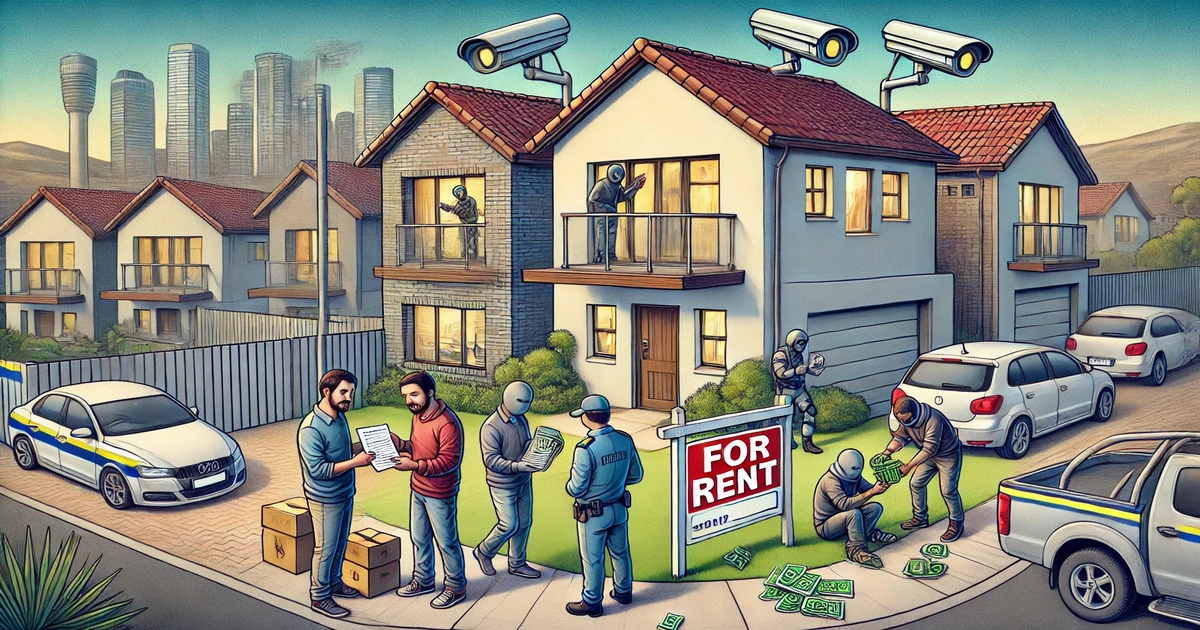
What Are the Top Challenges Facing South African Landlords in 2026?
Owning rental property in South Africa can be a rewarding way to build wealth and generate income. Yet, in 2026, landlords will continue to face an evolving landscape shaped by economic uncertainty, legislative shifts, social change, and technological disruption.
Whether you own a single buy-to-let property or manage an extensive portfolio, understanding these challenges will equip you to protect your investment and maintain profitability.
Below, we explore the key issues landlords are grappling with in South Africa this year, why they matter, and what proactive steps you can take to stay ahead.
Economic Pressures and Rising Costs
One of the most pervasive challenges in 2026 is the ongoing impact of economic instability. While South Africa has seen periods of recovery, landlords still face:
- Higher interest rates: After several Reserve Bank adjustments, bond repayments remain elevated. This squeezes margins for landlords with financed properties.
- Inflation: Costs for maintenance, utilities, security, and municipal rates have increased steadily. Many landlords have found it challenging to pass these costs on to tenants without risking vacancies.
- Rental arrears: Although the Western Cape shows lower default rates, other provinces report persistent arrears. Many tenants are struggling to keep up with rent due to stagnant wages and rising living costs.
These economic pressures require landlords to adopt strict budgeting, conduct regular rental reviews, and thoroughly screen tenants to ensure they are financially stable.
Regulatory Complexity and Compliance
The legal landscape for landlords is increasingly complex. Key legislative frameworks include:
- The Rental Housing Act governs lease agreements and the rights of tenants.
- The Consumer Protection Act affects the termination and renewal of leases.
- The Property Practitioners Act impacts landlords who use agents or operate rental businesses.
- In some metros, new bylaws regulate short-term rentals (such as Airbnb) and multi-tenant dwellings.
Failure to comply can result in financial penalties or protracted disputes. In 2026, compliance burdens have grown due to:
- Stricter enforcement of health and safety obligations.
- Mandatory registration of rental properties in some municipalities.
- Greater tenant awareness of their rights leads to more frequent complaints and disputes.
Landlords are increasingly relying on specialist attorneys or property managers to navigate the regulatory maze.
Tenant Screening and Retention
Tenant selection remains one of the most critical aspects of successful property management. However, several factors complicate this process in 2026:
- Rising fraud: Forged payslips, identity documents, and credit histories are more sophisticated than ever, requiring advanced verification tools.
- Creditworthiness challenges: Economic pressures mean fewer tenants meet traditional credit scoring thresholds.
- Tenant expectations: Modern renters expect well-maintained properties, responsive communication, and transparent processes for dispute resolution.
Once tenants are in place, retaining them is crucial to avoid vacancies. Landlords must balance fair rent increases with providing a positive rental experience.
Maintenance and Infrastructure
Maintenance is an ongoing cost and operational challenge, but in 2026, it is exacerbated by:
- Load shedding and power reliability: Rolling blackouts are disruptive, requiring landlords to consider backup power solutions.
- Water shortages: Drought-prone regions face restrictions and infrastructure issues that frustrate tenants and complicate maintenance.
- Ageing building stock: Many older properties are due for upgrades to remain competitive and compliant with safety regulations.
A proactive maintenance strategy is no longer optional—it is essential to protect asset value and tenant satisfaction.
Security Concerns
Crime continues to affect the South African rental sector. In some areas, tenants demand enhanced security features such as:
- Electric fencing
- CCTV systems
- Secure Parking
- Alarm installations
These upgrades increase capital and operational costs, but properties without them are often less marketable. Balancing security investments with profitability is a delicate equation.
Market Dynamics and Changing Demand
South Africa’s rental market has shifted in ways landlords must adapt to:
- Urban migration patterns: Some city centres are seeing reduced demand due to hybrid working models, while suburban and peri-urban areas are growing in popularity.
- Affordability pressures: More tenants are sharing accommodations or seeking smaller, energy-efficient units.
- Short-term letting volatility: While platforms like Airbnb once promised higher yields, tighter regulations and inconsistent occupancy have made this a riskier proposition.
Understanding local market trends and adjusting pricing, marketing, and property upgrades accordingly is crucial for remaining competitive.
Technology and Digital Transformation
Technology has revolutionised the way properties are marketed, leased, and managed. But digital transformation also presents challenges:
- Cybersecurity threats: Landlords must protect tenants’ personal information from breaches.
- Platform dependence: Many rely heavily on listing portals or payment platforms that can change terms or fees without much notice.
- Digital literacy gaps: Not all landlords are comfortable adopting new tools for screening, drafting contracts, and collecting rent.
Landlords who invest in upskilling and digital solutions can streamline operations—but those who don’t risk falling behind.
Dispute Resolution and Tenant Relationships
Conflict between landlords and tenants is inevitable. In 2026, disputes are becoming more complex:
- Non-payment disputes: Extended arrears can lead to lengthy eviction proceedings.
- Deposit disputes: Differences in expectations regarding damage versus wear and tear are common.
- Lease termination misunderstandings: Tenants may contest notices if they feel procedures were unfair.
Landlords are under pressure to ensure they handle disputes procedurally and document all interactions carefully to avoid escalation.
Taxation and Revenue Management
South African landlords face a tightening tax net. SARS has improved data collection and compliance enforcement. Key challenges include:
- Accurate reporting: Landlords must declare all rental income, including cash payments.
- Deduction claims: Only legitimate expenses are deductible, and poor record-keeping can lead to disallowed claims.
- Provisional tax: Many landlords must manage advance tax payments, which requires accurate forecasting of income.
Engaging a professional accountant or tax consultant is increasingly essential to avoid penalties and maximise legitimate deductions.
Sustainability and Environmental Standards
In 2026, environmental concerns are front and centre:
- Energy efficiency: Properties without energy-saving features (such as LED lighting, solar geysers, and insulation) may attract lower-quality tenants or experience higher vacancies.
- Water conservation: Low-flow taps and water-wise gardens are becoming expected.
- Regulatory push: Municipalities are exploring the implementation of mandatory efficiency ratings for rental properties.
While upgrades can be costly, they can also protect long-term asset value.
Insurance and Risk Management
Insurance premiums for landlords have risen due to:
- Increased claims from natural disasters, such as floods and wildfires.
- Crime-related claims.
- Liability claims arising from injuries or damages.
Landlords must regularly review their insurance coverage to ensure adequate protection against a broad range of risks.
Emotional and Time Pressures
Finally, the human cost of being a landlord is often underestimated. In 2026, many landlords report:
- Burnout: Juggling property maintenance, tenant relations, legal compliance, and financial management can be overwhelming.
- Emotional strain: Managing conflict or dealing with distressed tenants takes a toll.
- Work-life balance challenges are particularly prevalent for landlords who also have other employment or businesses.
Delegating to a professional property manager or outsourcing specific functions can alleviate some of this burden.
Strategies for Overcoming These Challenges
While these challenges are significant, there are proactive steps landlords can take:
- Regularly review leases to ensure compliance with current legislation and regulations.
- Use reputable tenant vetting services.
- Maintain detailed records of all transactions and communications.
- Invest in energy and water efficiency upgrades.
- Consider professional property management.
- Build a financial buffer for unforeseen costs.
- Stay informed on legal and market developments.
Being proactive, informed, and well-supported can turn these challenges into manageable aspects of property investment.
Frequently Asked Questions
What is the biggest risk landlords face in 2026?
The most significant risk is rental arrears, as many tenants struggle to keep up with rising living costs. Combined with tighter eviction procedures and legal requirements, arrears can seriously impact cash flow.
Are landlords responsible for load-shedding mitigation?
While landlords are not legally obligated to provide backup power, tenants increasingly expect it, especially in higher-end rentals. Offering inverters or generators can be a market advantage.
How can I ensure I’m compliant with all laws?
Stay up to date by:
- Consulting with a specialist property attorney.
- Joining landlord associations for regular updates.
- Using standardised lease agreements vetted by legal professionals.
What happens if my tenant stops paying rent?
You must follow due process:
- Send formal notices of the breach.
- Allow the tenant time to remedy arrears.
- Only then may you pursue eviction through the courts.
- Evictions can be slow, so act quickly and keep documentation.
Is it worth investing in property in 2026?
Property investment continues to offer solid long-term returns, particularly in growth corridors. However, success now requires:
- Careful tenant selection.
- Meticulous compliance.
- Realistic expectations around costs and yields.
Should I manage my property myself or use an agent?
This depends on:
- Your availability.
- Your comfort with legal and administrative tasks.
- Your budget for professional services.
- Many landlords prefer a hybrid approach: self-management with selective outsourcing (like inspections and maintenance).
How do I protect myself from tenant fraud?
Use robust screening tools:
- Independent credit checks.
- Verification of employment and references.
- Identity verification using official documents.
- Avoid relying solely on documents supplied by the applicant.
Useful External Links
Department of Human Settlements (Rental Housing Tribunal information):
www.dhs.gov.zaGauteng Rental Housing Tribunal (example provincial tribunal page):
dhs.gpg.gov.za/Pages/Rental-Housing.aspxNational Credit Regulator (NCR):
www.ncr.org.zaTenant Profile Network (tenant credit checks and vetting):
www.tpn.co.zaSouth African Residential Rental Property Owners Association (SARRO):
www.sarro.co.zaSouth African Property Owners Association (SAPOA):
www.sapoa.org.za
Conclusion
Being a landlord in South Africa in 2026 is more complex than ever before. Rising costs, stringent regulations, and evolving tenant expectations are prompting property owners to reassess their operational strategies.
However, with the proper preparation, professional support, and strategic mindset, you can navigate these challenges and continue to grow your investment successfully.
Membership with the South African Landlords Association provides access to expert advice, legal resources, and a community of like-minded professionals.
Enhance your rental management experience and protect your investments by joining today!
Our Top Read Blogs:
How to Sell a House in South Africa Fast
Disclaimer:
This post is for general use only and is not intended to offer legal, tax, or investment advice; it may be out of date, incorrect, or maybe a guest post. You are required to seek legal advice from a solicitor before acting on anything written hereinabove.