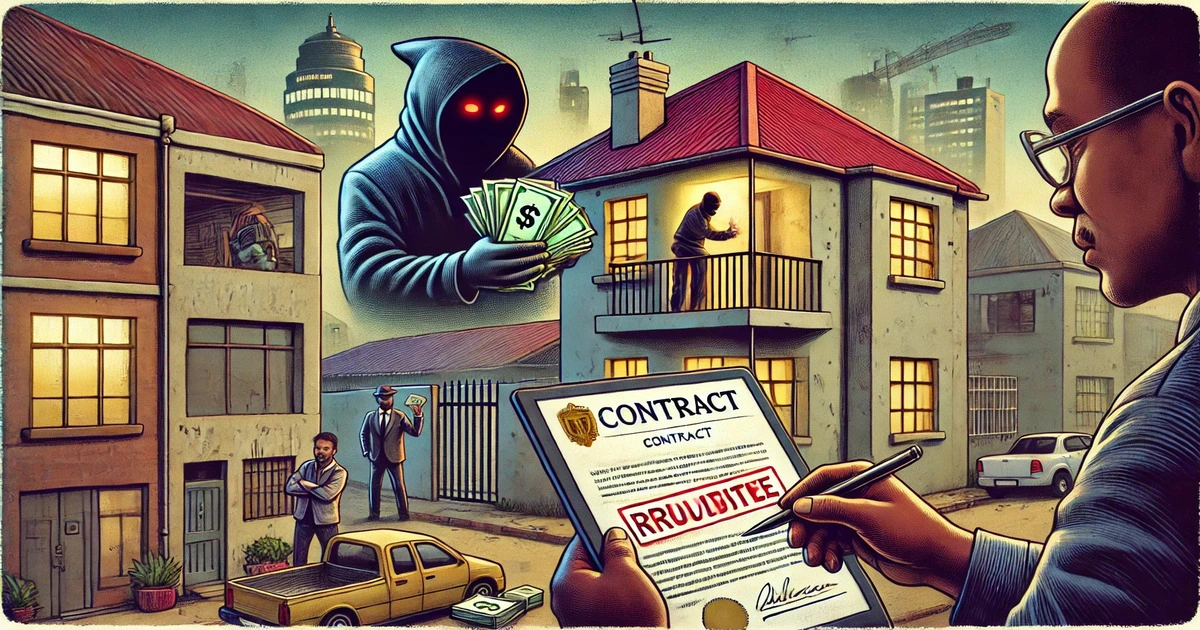
Gauteng Rental Housing Tribunal: A Comprehensive Overview
The Gauteng Rental Housing Tribunal plays a pivotal role in regulating and mediating the rental housing market within South Africa’s economic powerhouse province.
As urbanization, migration, and housing shortages fuel tensions between landlords and tenants, the Tribunal provides an essential statutory mechanism for resolving disputes fairly, cost-effectively, and without resorting to the courts.
This article examines the purpose, structure, jurisdiction, processes, and practical implications of the Gauteng Rental Housing Tribunal, providing valuable insights for landlords, tenants, property managers, and legal professionals.
The Role and Purpose of the Tribunal
Established under the Rental Housing Act of 1999, the Gauteng Rental Housing Tribunal is an independent body mandated to resolve disputes between landlords and tenants in the residential rental sector.
Its core purpose is to promote stability in rental housing by ensuring that landlords and tenants comply with their rights and obligations.
The Tribunal is tasked with enforcing the principles of fairness, equity, and transparency in rental agreements. It provides an accessible forum for adjudicating complaints, which is particularly important for vulnerable tenants who might otherwise struggle to afford litigation.
Legal Framework
The Tribunal operates under the Rental Housing Act 50 of 1999 (as amended), which outlines its functions, powers, and procedures. The Act aims to strike a balance between landlords’ rights to receive fair rental income and tenants’ rights to adequate housing and security of tenure.
Notably, the Act gives Tribunal rulings the same legal force as Magistrates’ Court judgments, making its decisions enforceable without the need for lengthy court processes.
Composition of the Tribunal
The Gauteng Rental Housing Tribunal is composed of members appointed by the provincial MEC for Human Settlements. The panel must include individuals with expertise in property management, housing development, consumer matters, or law.
Typically, the Tribunal consists of:
- A Chairperson, often with legal qualifications or adjudicative experience
- Additional members are drawn from the housing, consumer rights, and property sectors
- Administrative support staff who manage the intake and processing of complaints
This multidisciplinary composition enables the Tribunal to evaluate disputes from legal, economic, and social perspectives.
Jurisdiction and Scope
The Tribunal’s jurisdiction is limited to residential rental housing in Gauteng Province. It does not address commercial leases, agricultural tenancies, or matters related to the sale of freehold property.
Its scope includes:
- Determining whether lease agreements comply with the Rental Housing Act
- Investigating complaints about unfair practices
- Issuing rulings to enforce rights and obligations
- Ordering rectification of illegal practices or lease terms
- Mediating and settling disputes voluntarily where possible
Crucially, the Tribunal can rule on whether landlords or tenants have breached their obligations, such as failing to maintain habitable premises, engaging in illegal eviction, non-payment of rent, or unfairly withholding deposits.
What Constitutes an Unfair Practice
A core function of the Tribunal is to investigate and address unfair practices in the rental housing sector. Examples of unfair practices include:
- Charging excessive or undisclosed fees
- Unlawful evictions without proper notice or process
- Failure to maintain premises in a habitable condition
- Withholding or delaying the return of a damage deposit without justification
- Refusing to provide a written lease
- Arbitrary rent increases without agreed terms
- Harassment or intimidation of tenants
By adjudicating such practices, the Tribunal seeks to professionalise the sector and protect vulnerable tenants while upholding landlords’ rights.
How to Lodge a Complaint
Any tenant or landlord can complain to the Gauteng Rental Housing Tribunal without the need for a lawyer. The process is designed to be accessible and affordable.
The typical steps are:
- Completing a prescribed complaint form detailing the dispute
- Submitting supporting documents, such as lease agreements or communication records
- Filing the complaint at the Tribunal’s offices or designated points in Gauteng
There are no fees for lodging complaints, reflecting the Tribunal’s mandate to provide accessible justice.
Mediation and Adjudication
The Tribunal typically adopts a two-phase process for resolving disputes:
Mediation is the first step, where an impartial mediator helps the parties reach a voluntary settlement. This process is confidential, flexible, and less adversarial than formal adjudication.
If mediation fails, the matter proceeds to adjudication, where Tribunal members hear evidence and issue a binding ruling. Parties may present witnesses, documents, and arguments to support their claims. Legal representation is permitted but not required.
This dual approach ensures that simple misunderstandings can be resolved amicably while providing formal adjudication when necessary.
Enforceability of Tribunal Rulings
Tribunal rulings have the same legal effect as Magistrates’ Court orders. If a party fails to comply, the ruling can be enforced through normal court processes, such as execution against property or garnishee orders.
For example, if a landlord refuses to return a damage deposit as ordered, the tenant can approach the court to enforce the ruling without the need for a new trial.
This enforceability is critical for ensuring that the Tribunal’s work has a practical impact and that parties respect its decisions.
Significance for Landlords
For landlords, the Tribunal offers a structured way to resolve disputes and avoid expensive, lengthy court cases. It can help recover unpaid rent, enforce lease terms, or defend against spurious tenant complaints.
However, landlords must also be mindful of their legal obligations. Ignorance of the Act is not a defence, and the Tribunal can sanction landlords for unfair practices. Professional property management practices, transparent leases, and regular maintenance are essential to minimise Tribunal disputes.
Significance for Tenants
For tenants, the Tribunal offers a vital safeguard against exploitation or abuse in the rental market. Tenants who cannot afford private lawyers can have their complaints investigated and adjudicated without cost.
The Tribunal helps level the playing field in a sector often marked by power imbalances, particularly for low-income or informal tenants who might otherwise face eviction or harassment without redress.
Common Complaints Handled by the Tribunal
The Tribunal regularly deals with a variety of complaints, such as:
- Non-refund of damage deposits
- Unlawful or unfair evictions
- Rent increases without agreement or notice
- Poor maintenance of premises
- Utility disconnections as punishment
- Verbal or physical intimidation
- Illegal lock-outs or seizure of tenant property
Addressing these issues promotes stability, trust, and professionalism in the rental sector.
Challenges Facing the Tribunal
Despite its essential role, the Tribunal faces challenges, including:
- High volumes of complaints causing delays
- Limited resources and staff
- Difficulties enforcing compliance with rulings
- Complex socio-economic factors, such as informal tenancies
Nevertheless, it remains a critical institution in promoting access to justice in the housing sector.
Practical Tips for Landlords
To avoid Tribunal disputes, landlords should:
- Provide clear, written leases compliant with the Act
- Maintain premises in a safe, habitable state
- Keep clear records of payments and correspondence
- Avoid arbitrary rent increases
- Follow proper eviction processes with notice and legal procedures
- Return deposits fairly and promptly, with itemised deductions if needed
Being proactive and professional reduces the risk of complaints and builds trust with tenants.
Practical Tips for Tenants
Tenants can protect their rights by:
- Insisting on a written lease
- Keeping records of payments, communications, and repairs
- Reporting maintenance issues promptly
- Understanding their rights under the Rental Housing Act
- Avoiding withholding rent without seeking advice or mediation
- Using the Tribunal process if disputes cannot be resolved informally
Being informed and communicative helps prevent misunderstandings and ensures fair treatment.
Impact on the Rental Housing Sector
The Gauteng Rental Housing Tribunal plays a crucial role in professionalising the rental sector by:
- Reducing reliance on costly court litigation
- Protecting vulnerable tenants from abuse
- Holding landlords accountable for legal obligations
- Promoting fairness and transparency in rental agreements
- Enhancing stability and trust between landlords and tenants
Its work supports broader goals of improving access to adequate housing in Gauteng and managing the pressures of rapid urbanisation.
Looking Ahead
As Gauteng continues to grow, the demand for rental housing is expected to increase, and so will the importance of effective dispute resolution. The Tribunal will need ongoing support, resources, and modernisation to keep pace with these challenges.
The digitalisation of complaint processes improved public education, and more rigorous enforcement of rulings could further enhance its impact.
Ultimately, a well-functioning Tribunal is not just a safety net but a cornerstone of a fair, sustainable, and inclusive housing market.
Frequently Asked Questions
What is the Gauteng Rental Housing Tribunal?
The Gauteng Rental Housing Tribunal is an independent statutory body established under the Rental Housing Act to resolve disputes between landlords and tenants in the residential rental sector in the Gauteng province. It provides free mediation and adjudication services to enforce rights and obligations under the law.
How do I file a complaint with the Tribunal?
You can complain by completing a prescribed form available at the Tribunal’s offices or website, attaching supporting documents like your lease, and submitting it in person or by designated methods. There are no fees to complain.
Do I need a lawyer to appear before the Tribunal?
No, you do not need a lawyer. The Tribunal is designed to be accessible to the public without legal representation, though you may choose to have a lawyer or other representative if you wish.
What types of disputes does the Tribunal handle?
The Tribunal deals with disputes such as unlawful evictions, non-refund of deposits, unfair rent increases, poor maintenance, harassment, and any other unfair practices in residential rental housing.
Are Tribunal rulings legally binding?
Yes, Tribunal rulings have the same legal effect as Magistrates’ Court orders. They are enforceable through normal court processes if a party fails to comply with them.
Can landlords also use the Tribunal?
Yes, landlords can lodge complaints against tenants, for example, for non-payment of rent, property damage, or breaches of lease terms. The Tribunal provides a fair forum for both parties.
Is there a cost for using the Tribunal?
No, the Tribunal’s services are provided free of charge. This ensures that all landlords and tenants have access to justice, regardless of their financial situation.
What happens if mediation fails?
If mediation fails to produce a voluntary settlement, the Tribunal will schedule a formal adjudication hearing, during which members will hear evidence and issue a binding ruling.
How long does the process take?
Timeframes vary depending on complexity and caseload. Mediation can resolve matters quickly if both parties cooperate; however, adjudication may take longer due to scheduling and investigative processes.
Can I appeal a Tribunal ruling?
While the Tribunal’s rulings are binding, they can be reviewed in higher courts if there is a legal basis, such as procedural unfairness or error of law.
By understanding the role and processes of the Gauteng Rental Housing Tribunal, landlords and tenants alike can better navigate their rights and obligations, resolve disputes fairly, and contribute to a more equitable rental housing sector.
Useful External Links
Membership with the South African Landlords Association provides access to expert advice, legal resources, and a community of like-minded professionals.
Enhance your rental management experience and protect your investments by joining today!
Our Top Read Blogs:
Disclaimer:
This post is for general use only and is not intended to offer legal, tax, or investment advice; it may be out of date, incorrect, or maybe a guest post. You are required to seek legal advice from a solicitor before acting on anything written hereinabove.