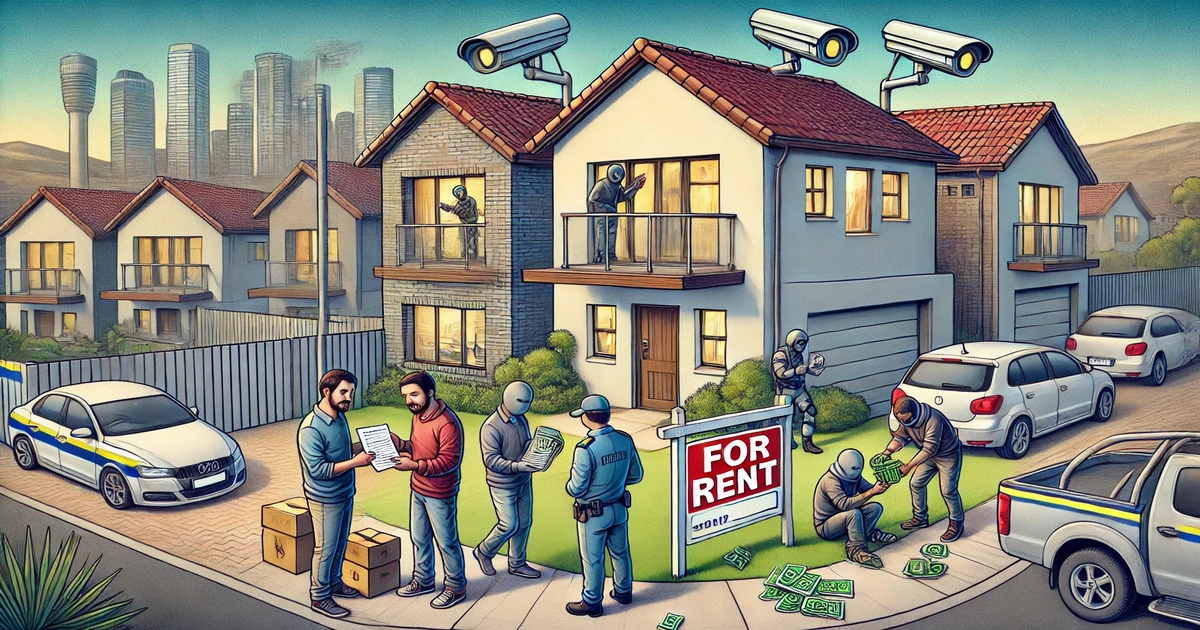
How to Manage a Rental Property in South Africa Without an Agent
Managing a rental property without an agent in South Africa can save landlords thousands of rands in commission fees. However, it requires a clear understanding of the legal, administrative, and practical responsibilities involved.
From advertising and screening tenants to lease agreements, inspections, and maintenance, each step must comply with South African property law. Below, we explain how landlords can successfully self-manage their properties while staying fully compliant.
Advertising Your Property Effectively
The first step to managing a rental property without an agent is marketing it effectively. Online advertising platforms such as Property24, Private Property, and Facebook Marketplace are excellent starting points.
Create a professional listing that highlights your property’s best features, location, amenities, security, and nearby facilities.
Include clear, well-lit photos and ensure the description is honest and detailed. Under South African law, misrepresentation of a property’s condition or features can lead to a breach of contract claim. When listing your property, include:
- Monthly rental amount and deposit required.
- Lease duration and occupation date.
- Whether pets are allowed.
- Utility responsibilities (water, electricity, refuse, etc.).
Respond promptly to enquiries and pre-qualify potential tenants by asking about their employment, number of occupants, and rental history before scheduling viewings.
Tenant Screening and Credit Checks
Thorough screening protects you from future disputes and unpaid rent. South African landlords are legally permitted to conduct background checks, provided they comply with the Protection of Personal Information Act (POPIA). Key steps include:
- Request a copy of the tenant’s ID and recent payslips.
- Verify employment by contacting the employer directly.
- Obtain consent to conduct a credit check with a registered credit bureau, such as TPN, Experian, or TransUnion.
- Ask for references from previous landlords.
A responsible tenant should have a consistent income and a clean credit record. Always document your screening process to demonstrate fairness and compliance with the Consumer Protection Act (CPA).
Preparing a Legally Compliant Lease Agreement
A well-drafted lease agreement is essential for managing a rental property without an agent. It defines the rights and obligations of landlords and tenants under the Rental Housing Act 50 of 1999 and the Consumer Protection Act 68 of 2008.
The lease should clearly state:
- Rental amount, payment date, and escalation clause.
- Deposit amount (usually one to two months’ rent) and where it will be held.
- Duration of the lease (fixed-term or periodic).
- Maintenance responsibilities for both parties.
- Rules for notice, inspection, and termination.
Ensure the tenant signs the lease before moving in and provide them with a copy. Keep proof of all correspondence and payments, as this is critical evidence in the event of disputes at the Rental Housing Tribunal.
Deposits and the Rental Housing Act
Under the Rental Housing Act, all deposits must be held in an interest-bearing account, and the tenant is entitled to any interest earned upon moving out.
Upon receiving the deposit, issue a written receipt and confirm in writing that the money will be kept in a separate account.
At the end of the lease, you must inspect the property with the tenant. If no damage is found, return the deposit plus interest within 7 days.
If there are damages, provide a detailed list with receipts or estimates, and return the balance within 14 days after repairs. Failure to comply with these timeframes can result in a Tribunal order compelling repayment and possible penalties.
Conducting Entry and Exit Inspections
Property inspections are a vital part of self-management. You must perform an incoming inspection with the tenant present before handing over the keys. Record the condition of the property in writing and take dated photos. Both parties should sign the inspection report.
Similarly, when the lease ends, conduct an outgoing inspection within three days of the tenant vacating. This ensures a fair assessment of damages and prevents later disputes. Regular mid-term inspections (every three to six months) also help identify maintenance issues early and maintain the property’s value.
Handling Maintenance and Repairs
Efficiently managing repairs and maintenance is one of the biggest challenges for landlords without agents. South African law obliges landlords to keep the property “fit for human habitation” as per Section 4 of the Rental Housing Act.
This means ensuring structural soundness, adequate plumbing and electrical systems, and compliance with safety standards.
Create a maintenance plan that includes:
- Annual inspections of the roof, plumbing, and electrical systems.
- Routine upkeep such as painting, cleaning gutters, and pest control.
- Prompt response to tenant-reported issues (within 48 hours for urgent repairs).
Always use qualified and insured contractors. Keep invoices and photographs of completed work for record-keeping. If a tenant causes damage through negligence, they are responsible for the cost, provided it is proven and documented.
Managing Rent Collection and Arrears
As a self-managing landlord, you must set up a professional rent collection system. Most landlords use EFT or debit orders. Clearly state the rent due date and penalties for late payment in the lease agreement.
If a tenant fails to pay rent, send a formal written demand requiring them to settle within seven business days, as required under Section 14 of the Consumer Protection Act.
If payment is not made, you can issue a notice to terminate the lease and file a complaint with the Rental Housing Tribunal or proceed with eviction through the courts under the Prevention of Illegal Eviction from and Unlawful Occupation of Land Act (PIE Act).
Avoid informal eviction attempts such as changing locks or cutting utilities; these are criminal offences under South African law.
Complying with the Consumer Protection Act
The CPA protects tenants by ensuring leases are fair, transparent, and reasonable. For fixed-term leases, tenants may terminate with 20 business days’ written notice, but they may owe reasonable cancellation penalties.
Landlords must also give tenants 40 to 80 business days’ notice before a fixed-term lease expires and indicate whether it will be renewed or converted to a periodic lease.
To remain compliant:
- Avoid unfair terms or excessive penalties.
- Provide written communication for all notices and amendments.
- Keep clear records of all transactions and maintenance.
A structured, transparent approach builds trust and reduces the likelihood of Tribunal complaints.
Dealing with Disputes Legally
Even diligent landlords may face disputes over rent, deposits, or maintenance. The Rental Housing Tribunal offers a free, accessible mechanism for resolving such issues. Either party can complain, and both must attend mediation or adjudication hearings.
Before resorting to the Tribunal, attempt to resolve matters in writing. Maintain professionalism and document evidence, such as photos, inspection reports, and messages, to strengthen your case. Remember, evictions must always follow legal due process through the courts, even after Tribunal rulings.
Benefits of Managing a Property Yourself
Managing your property directly allows you to save on agency commissions, gain better control over tenant relationships, and understand your investment in detail.
You stay informed about legal changes, property performance, and maintenance costs. With the right systems, such as digital lease templates, automated rent reminders, and reliable contractor self-management, self-management can be both cost-effective and rewarding.
FAQs
What are the most significant risks of managing without an agent?
The main risks include choosing unreliable tenants, unintentionally breaching rental laws, or mishandling evictions. Staying informed and maintaining clear records reduces these risks.
Do I need to register my lease anywhere?
Leases longer than three years should be registered with the Deeds Office, though most residential leases in South Africa are for 6–12 months and do not require registration.
Can I increase rent during a fixed-term lease?
Only if the lease allows it; otherwise, rent increases can occur only upon renewal or extension, and they must be reasonable and market-related.
How much notice must I give before ending a lease?
For periodic leases, one whole rental period’s notice is standard unless otherwise agreed. Fixed-term leases require compliance with the CPA’s renewal and termination notice periods.
Conclusion
Managing a rental property in South Africa without an agent demands commitment, knowledge, and organisation. By mastering advertising, screening, legal lease drafting, maintenance, and dispute resolution, landlords can achieve professional results while retaining complete control of their assets.
With careful record-keeping and compliance with the Rental Housing Act, CPA, and PIE Act, self-management can be both lawful and highly profitable.
Don’t go through it alone — South Africa’s landlords stand together.
When you join the Landlords Association of South Africa, you gain more than just membership; you gain a robust network of support. From expert legal advice and vital landlord resources to guidance on dealing with problem tenants, we stand with you every step of the way.
For just 2 rand a day, you can access professional advice, proven tools, and a community that understands the challenges of both commercial and residential property management.
Join today and experience the confidence of knowing you’re never facing it alone.
Our Top Read Blogs:
How to Sell a House in South Africa Fast
Complete Process of Tenant Eviction in South Africa
What Can I Do If A Tenant Is Neglecting My Property
Useful External Links
https://www.gov.za/documents/rental-housing-act
https://www.gov.za/documents/consumer-protection-act
https://www.gov.za/documents/prevention-illegal-eviction-and-unlawful-occupation-land-act
Disclaimer:
This post is for general use only and is not intended to offer legal, tax, or investment advice; it may be out of date, incorrect, or maybe a guest post. You are required to seek legal advice from a solicitor before acting on anything written hereinabove.