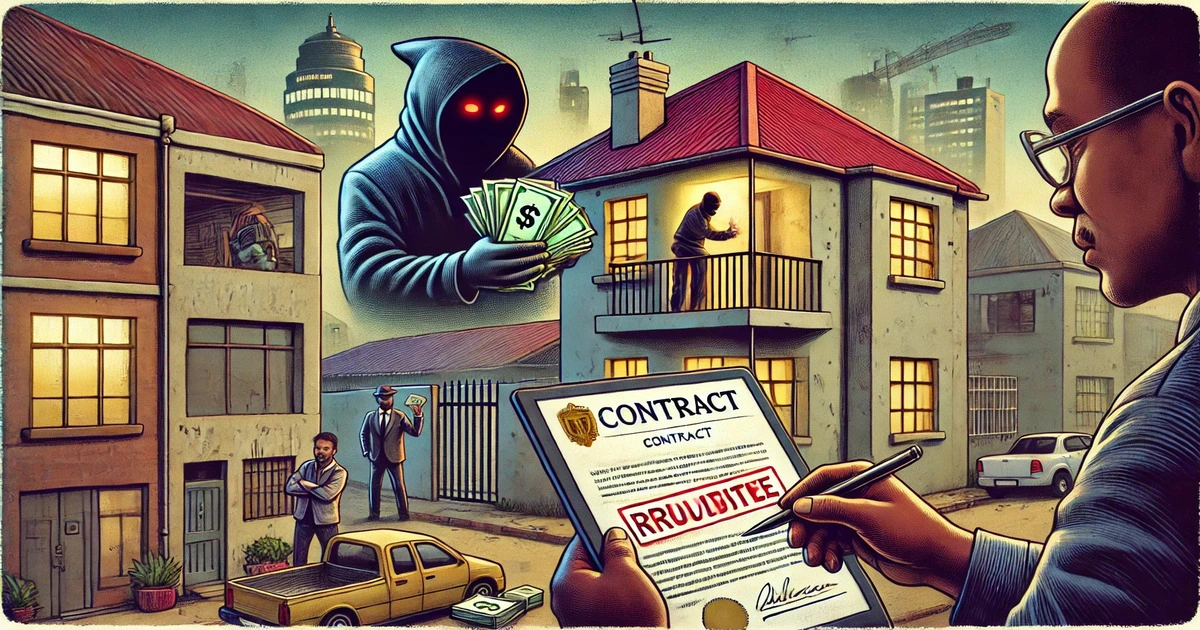
How to Handle Difficult Tenants Without an Agent’s Help
Managing a rental property without an agent gives landlords greater control and saves on commission fees, but it also means dealing directly with difficult tenants. Late payments, property neglect, and communication breakdowns can quickly escalate into legal disputes if not handled correctly.
This guide explains how to handle challenging tenants legally and effectively by using early intervention, clear communication, and structured conflict-resolution methods to avoid eviction proceedings and maintain a professional landlord-tenant relationship.
Recognizing Problematic Tenant Behaviour Early
The first step to handling difficult tenants is early detection. Minor problems left unchecked often turn into serious breaches later. Warning signs include:
- Repeated late payments or excuses for rent delays.
- Ignoring property rules, such as noise complaints or unauthorised occupants.
- Neglect or damage to the property beyond normal wear and tear.
- Lack of communication when issues arise.
Document all instances of problematic behaviour from the start. This record is essential if matters need to be escalated to the Rental Housing Tribunal or the court.
Step 1: Stay Calm and Professional
Emotion often fuels conflict between landlords and tenants. Staying calm, factual, and professional keeps the situation under control and avoids accusations of harassment or intimidation, both of which are prohibited under the Rental Housing Act 50 of 1999.
Key principles:
- Avoid confrontational language or personal criticism.
- Communicate only in writing (email, SMS, or WhatsApp) for record-keeping.
- Focus discussions on the lease terms, not personalities.
- Never make threats or attempt “self-help” evictions such as changing locks or cutting utilities.
Professionalism protects your legal standing and helps resolve issues more efficiently.
Step 2: Communicate Clearly and Early
Open communication often prevents disputes from escalating. Tenants may respond more cooperatively when approached early and respectfully.
Example message for late rent:
Subject: Friendly Reminder – Outstanding Rent Payment
Dear [Tenant’s Name],
I hope you are well. Our records show that the rent of R[amount] for [month] has not yet been received. Please let me know if there has been an oversight or if there is a temporary issue we can discuss.
Kindly settle the payment within seven (7) days to avoid formal action under the lease terms.
Best regards,
[Your Name]
[Contact Details]
This approach is firm yet fair, reminding tenants of their obligations without aggression.
Step 3: Review the Lease Agreement
Before taking action, carefully review your lease. It should outline rules for rent, maintenance, notice, and conduct. Check for:
- Grace periods for rent payment.
- Penalties for breach.
- Procedures for written warnings and termination.
- Maintenance and repair responsibilities.
If the lease is unclear, refer to the Rental Housing Act or the Consumer Protection Act (CPA) for standard terms. These laws protect both parties and require fairness in all dealings.
Step 4: Issue a Written Warning or Breach Notice
If informal reminders fail, escalate to a formal Notice of Breach. This written document gives the tenant a final chance to remedy the situation before legal action is taken.
What to include:
- Tenant’s full name and address.
- Date and description of the breach (e.g., unpaid rent, property damage, noise).
- Reference to the relevant Clause in the lease.
- A clear timeframe to correct the issue (typically 7 to 20 business days).
- A statement that failure to comply may lead to termination and Tribunal action.
Keep proof of delivery by registered mail, email confirmation, or hand delivery.
Example template:
Subject: Formal Notice of Breach of Lease Agreement
Dear [Tenant’s Name],
In accordance with Clause [number] of our lease agreement, this serves as written notice that you are in breach due to [describe breach – e.g., non-payment of rent for [month], property damage, or noise disturbance].
You are hereby given [7–20] business days to remedy this breach. Failure to do so may result in lease termination and referral to the Rental Housing Tribunal or court.
Kind regards,
[Your Name]
[Date]
This approach shows you have followed proper legal procedure, which will be critical evidence if the matter escalates.
Step 5: Offer Solutions Before Legal Action
Many issues can be resolved through flexibility and negotiation. Tenants often respond positively when given realistic solutions instead of threats.
Possible resolutions:
- Setting up a payment plan for arrears.
- Allowing time to fix minor damages.
- Mediating shared complaints (e.g., noise) before formal escalation.
- Reminding the tenant of lease renewal or exit terms early to avoid confusion.
Put all agreements in writing and have the tenant acknowledge them. Transparency builds trust and helps both sides move forward.
Step 6: Maintain Proper Documentation
Every communication and inspection should be documented. If you end up at the Rental Housing Tribunal, detailed records can make or break your case.
Keep a file with:
- The lease agreement and payment records.
- Copies of all notices, emails, and letters.
- Photos and inspection reports of any damage.
- Receipts for repairs or cleaning.
The Tribunal values factual, chronological documentation over emotional arguments.
Step 7: Seek Mediation Through the Rental Housing Tribunal
If the tenant continues to breach the lease or refuses to cooperate, you can file a complaint with the Rental Housing Tribunal in your province.
The Tribunal offers a free dispute-resolution process that can resolve issues faster than court proceedings. Complaints may include:
- Non-payment of rent.
- Failure to maintain the property.
- Unlawful deposit deductions.
- Harassment or illegal eviction attempts.
Once filed, the Tribunal will summon both parties for mediation. If mediation fails, a formal hearing is held, and a binding order is issued.
Step 8: When to Consider Legal Eviction
Eviction should always be a last resort. Suppose the tenant remains non-compliant after Tribunal rulings or repeated breaches.
In that case, you may proceed to eviction through the courts under the Prevention of Illegal Eviction from and Unlawful Occupation of Land Act (PIE Act).
The process requires:
- A valid lease termination notice.
- A court application for eviction.
- A court order authorising the sheriff to remove the tenant.
Never attempt to evict without following legal procedure. Unlawful eviction can lead to criminal charges and compensation claims.
Step 9: Strengthen Future Tenant Screening
Prevention is always better than confrontation. Difficult tenants can often be avoided through thorough pre-screening.
For future rentals:
- Conduct credit checks with registered bureaus such as TPN, Experian, or TransUnion.
- Verify employment and income.
- Request previous landlord references.
- Meet tenants in person before signing the lease.
A well-screened tenant significantly reduces the risk of disputes and arrears.
Early Intervention Tactics That Work
- Address minor issues immediately. Don’t wait for arrears or damage to accumulate.
- Stay neutral. Avoid personal conflicts and stick to the facts.
- Set clear boundaries. Reiterate rules and lease obligations when needed.
- Keep communication open. Silence from a landlord can make tenants defensive.
- Follow through. Empty warnings undermine your credibility.
Consistent, firm management shows tenants you take your responsibilities seriously and expect the same from them.
FAQs
Can I terminate a lease early due to challenging behaviour?
Yes, if the tenant is in material breach and fails to fix the issue within the written notice period.
What if the tenant stops communicating altogether?
Send formal notices through multiple channels (email, WhatsApp, registered mail). If no response is received, escalate to the Rental Housing Tribunal.
Can I charge the tenant for repair costs immediately?
Only after providing written notice and evidence of damage. Receipts or quotes must support deductions.
How long does the Tribunal process take?
Mediation is usually scheduled within 4–8 weeks, depending on case volume.
Conclusion
Handling difficult tenants without an agent’s help requires calm professionalism, clear documentation, and knowledge of South African rental law. By communicating early, issuing lawful notices, and using the Rental Housing Tribunal when needed, landlords can resolve most disputes without resorting to costly evictions.
Effective management not only protects your investment but also promotes fairness and mutual respect, the foundation of every successful tenancy.
Don’t go through it alone — South Africa’s landlords stand together.
When you join the Landlords Association of South Africa, you gain more than just membership; you gain a robust network of support. From expert legal advice and vital landlord resources to guidance on dealing with problem tenants, we stand with you every step of the way.
For just 2 rand a day, you can access professional advice, proven tools, and a community that understands the challenges of both commercial and residential property management.
Join today and experience the confidence of knowing you’re never facing it alone.
Our Top Read Blogs:
How to Sell a House in South Africa Fast
Complete Process of Tenant Eviction in South Africa
What Can I Do If A Tenant Is Neglecting My Property
Useful External Links
https://www.gov.za/documents/rental-housing-act
https://www.gov.za/documents/prevention-illegal-eviction-and-unlawful-occupation-land-act
Disclaimer:
This post is for general use only and is not intended to offer legal, tax, or investment advice; it may be out of date, incorrect, or maybe a guest post. You are required to seek legal advice from a solicitor before acting on anything written hereinabove.