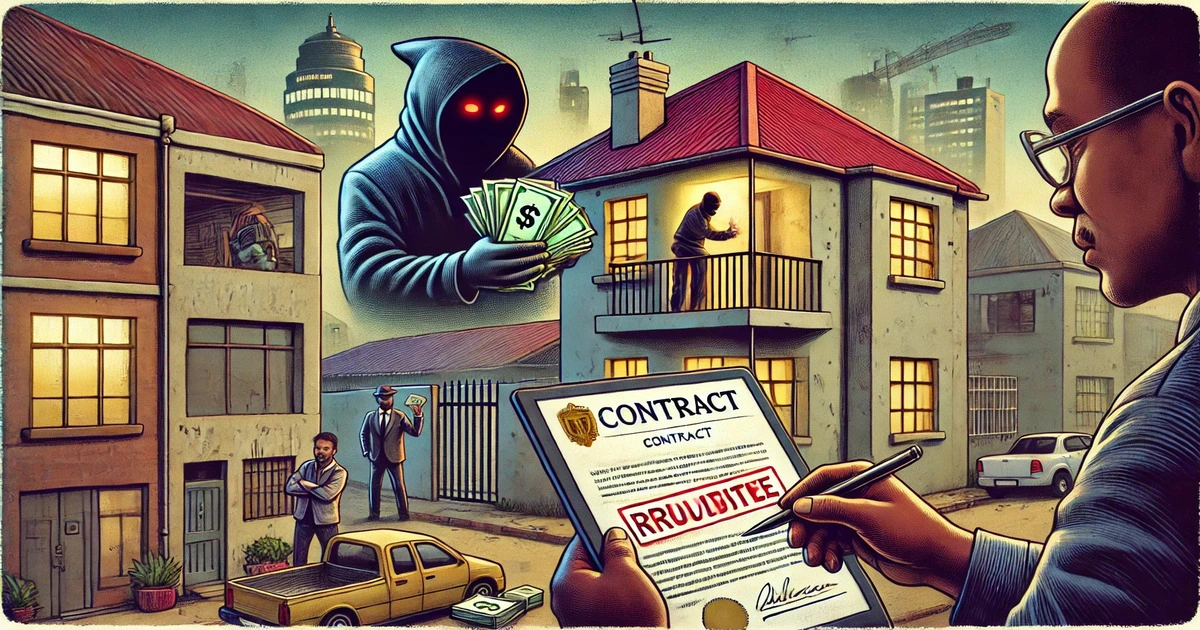
How the Rental Housing Tribunal Handles Maintenance Disputes
When a Landlord Refuses Repairs: How the Rental Housing Tribunal Handles Maintenance Disputes is a significant concern for tenants across South Africa. A well-maintained rental home is a legal right, not a favour.
Many tenants struggle with leaking roofs, broken plumbing, electrical faults, mould issues, and structural defects that landlords delay or ignore. These problems affect safety, habitability, and dignity.
Understanding When a Landlord Refuses Repairs: How the Rental Housing Tribunal Handles Maintenance Disputes helps tenants and landlords prevent conflict, follow the law, and resolve issues quickly. It also protects landlords from unnecessary complaints and penalties by ensuring proper compliance.
Why Repairs Are Legally Required
South African rental law is clear. A landlord must provide and maintain a dwelling that is safe, habitable, and fit for human occupation.
When a Landlord Refuses Repairs: How the Rental Housing Tribunal Handles Maintenance Disputes, the Tribunal evaluates whether the landlord has failed to comply with the Rental Housing Act and the signed lease. Maintenance is not optional.
Structural defects, essential services, health hazards, and basic upkeep fall under the landlord’s responsibility. Tenants must report issues promptly, but landlords must act within reasonable timeframes.
What Counts as a Valid Maintenance Dispute
The Tribunal accepts a wide range of maintenance complaints. These include leaking roofs, broken windows, faulty wiring, damaged plumbing, damp or mould, pest infestations, structural cracks, and defective geysers. These issues directly affect habitability.
When a Landlord Refuses Repairs: How the Rental Housing Tribunal Handles Maintenance Disputes, the Tribunal examines whether the problem impacts safety, comfort, or the reasonable use of the property. Cosmetic issues are treated differently, but major faults are taken seriously.
How to File a Repair Complaint at the Tribunal
Tenants can submit a complaint free of charge to their provincial Tribunal. They must provide details of the problem, proof of communication with the landlord, and, where applicable, photos, videos, or expert reports. The process usually begins with mediation.
If mediation fails, the matter moves to a formal hearing. When a Landlord Refuses Repairs: How the Rental Housing Tribunal Handles Maintenance Disputes, the Tribunal relies on this evidence to decide whether the landlord breached their obligations. Clear documentation helps resolve cases faster.
What the Tribunal Can Order a Landlord to Do
The Tribunal has powerful legal authority. It can order a landlord to carry out repairs by a specific deadline. It can order the reconnection of services if the damage caused the disconnection.
It can order compensation, rent reductions, or reimbursement for repair costs if the tenant was forced to make an urgent repair.
These rulings are legally binding and carry the same force as a Magistrates’ Court order. When a Landlord Refuses Repairs: How the Rental Housing Tribunal Handles Maintenance Disputes, the Tribunal steps in to protect the tenant’s right to a safe home.
When the Tribunal Cannot Intervene
There are situations where the Tribunal’s power is limited. If the issue relates to ownership disputes, insurance claims, complex structural engineering, or municipal infrastructure failures, the Tribunal may refer parties to the appropriate authority.
The Tribunal does not handle issues outside the landlord-tenant relationship. It cannot enforce sectional title body corporate obligations or compel municipalities to fix public systems.
When a Landlord Refuses Repairs: How the Rental Housing Tribunal Handles Maintenance Disputes, understanding these limits helps manage expectations.
Landlord Responsibilities in Maintenance Disputes
Landlords must act promptly, communicate clearly, and keep records of all repairs. Failure to maintain the property often leads to bigger issues, tenant claims, and Tribunal rulings that may cost more than the cost of timely maintenance.
When a Landlord Refuses Repairs: How the Rental Housing Tribunal Handles Maintenance Disputes, the Tribunal evaluates whether the landlord acted reasonably and whether the delay caused further damage or risk. Preventive maintenance is always more cost-effective than Tribunal intervention.
Tenant Responsibilities During Repair Disputes
Tenants must allow access for inspections and contractors. They must not cause the damage themselves. They should report problems in writing and keep proof of communication.
When a Landlord Refuses Repairs: How the Rental Housing Tribunal Handles Maintenance Disputes, the Tribunal considers whether the tenant acted responsibly. Cooperation helps resolve disputes faster and strengthens the complaint.
What to Expect at Mediation and Hearing
During mediation, the Tribunal attempts a quick settlement. If mediation fails, a hearing is held where evidence is presented. The Tribunal may inspect the property, question both parties, and evaluate expert reports.
When a Landlord Refuses Repairs: How the Rental Housing Tribunal Handles Maintenance Disputes, this process ensures both sides are heard and the outcome is fair.
Conclusion
When a Landlord Refuses Repairs: How the Rental Housing Tribunal Handles Maintenance Disputes is a vital guide for tenants seeking habitable living conditions and for landlords wanting to avoid legal trouble.
The Tribunal protects tenant rights and ensures rental homes meet safety standards. By understanding the process, documenting issues, and cooperating with inspections, both parties can resolve disputes efficiently and lawfully.
Don’t go through it alone — South Africa’s landlords stand together.
When you join the Landlords Association of South Africa, you gain more than just membership; you gain a robust network of support. From expert legal advice and vital landlord resources to guidance on dealing with problem tenants, we stand with you every step of the way.
For just 2 rand a day, you can access professional advice, proven tools, and a community that understands the challenges of both commercial and residential property management.
Join today and experience the confidence of knowing you’re never facing it alone.
Our Top Read Blogs:
How to Sell a House in South Africa Fast
Complete Process of Tenant Eviction in South Africa
What Can I Do If A Tenant Is Neglecting My Property
Useful External Links
https://www.gov.za/documents/rental-housing-act
https://www.westerncape.gov.za
https://www.housingfinanceafrica.org
Disclaimer:
This post is for general use only and is not intended to offer legal, tax, or investment advice; it may be out of date, incorrect, or maybe a guest post. You are required to seek legal advice from a solicitor before acting on anything written hereinabove.