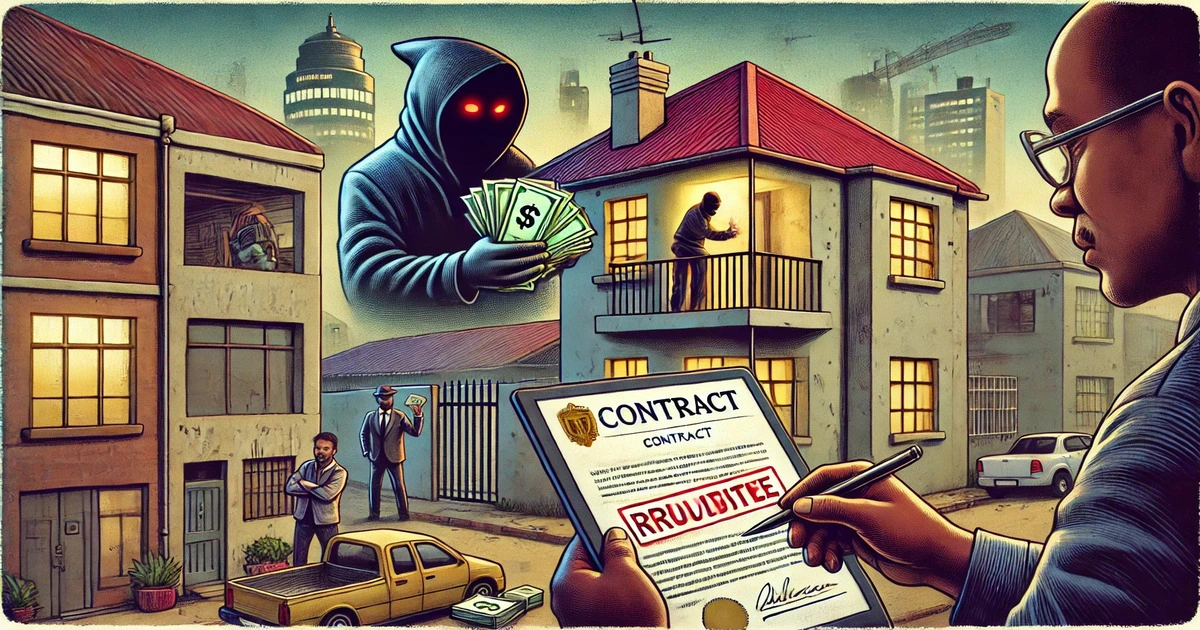
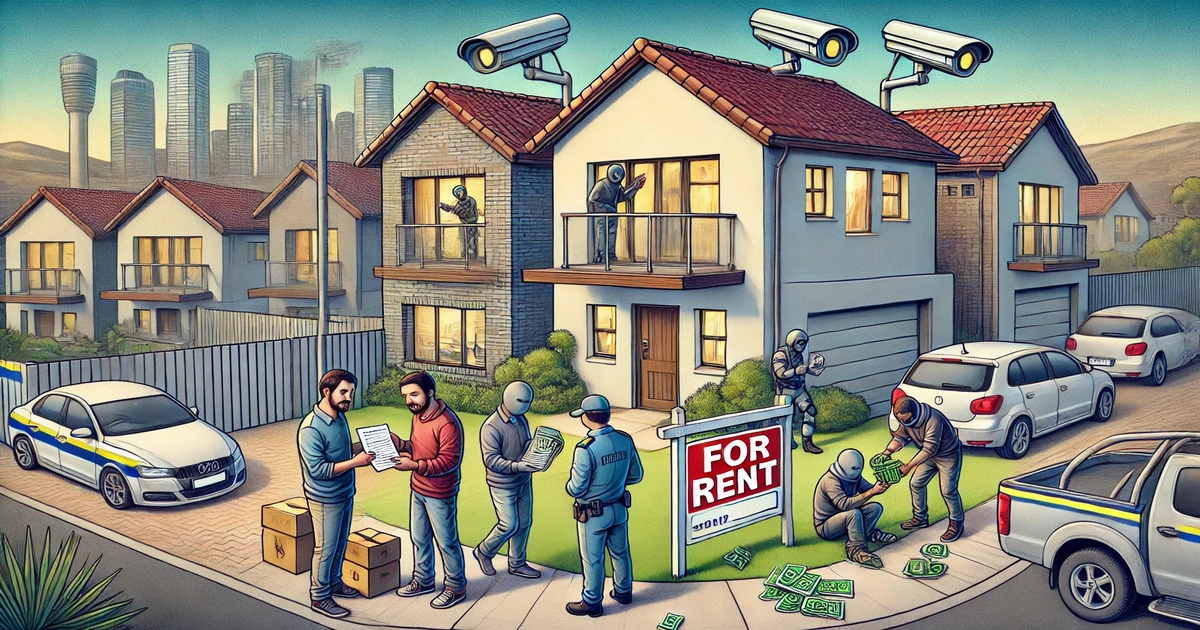
How Do I Manage Tenant Defaults or Late Payments Effectively?
Managing rental property in South Africa comes with a range of challenges, and among the most critical is dealing with tenant defaults or late payments.
Late payments can disrupt a landlord’s cash flow, affect mortgage repayments, and put strain on the landlord-tenant relationship. Tenant defaults—where tenants stop paying altogether—pose even more serious risks.
Effective management of these issues requires a proactive, structured approach that combines solid screening, clear communication, legally sound lease agreements, and decisive action when necessary.
This article will provide a detailed examination of how to effectively manage tenant defaults and late payments, drawing on the South African context, legal framework, and best practice strategies.
We will examine preventative measures, communication strategies, legal options, dispute resolution mechanisms, and practical advice on maintaining sustainable rental business practices, even when tenants fall behind.
Understanding the Context of Tenant Defaults in South Africa
South Africa’s rental sector is highly regulated by laws such as the Rental Housing Act, the Consumer Protection Act, and the Prevention of Illegal Eviction from and Unlawful Occupation of Land Act (PIE Act).
Tenants in South Africa are protected against unfair eviction, and landlords must follow due Process to enforce rights, even if rent is unpaid.
Economic pressures, high unemployment, and rising living costs lead to late payments being common in many regions. As a landlord, how can I effectively manage tenant defaults or late payments? Starts with knowing the legal landscape and the socio-economic pressures tenants face.
Prevention Is Better Than Cure: Screening and Lease Agreements
A good tenancy begins long before the tenant moves in. Screening and the lease agreement are your first lines of defence.
- Thorough Screening: Verify credit records, employment history, and references from previous landlords. In South Africa, credit bureaus such as TPN provide tenant profiles.
- Clear Lease Agreements: Define due dates, grace periods, penalties for late payment, and the Process for dealing with defaults. A well-drafted lease agreement is enforceable in the Rental Housing Tribunal or court.
By setting clear expectations from the start, you reduce the risk of misunderstandings that can lead to non-payment.
Establishing Strong Communication Practices
Once the tenant has moved in, clear and consistent communication is critical.
- Send Rent Reminders: SMS or email reminders a few days before rent is due can help avoid forgetfulness.
- Check In Early: If payment is late, call or visit immediately. Don’t wait for months of accumulated arrears.
- Written Notices: After a late payment, send a formal written letter of demand. This constitutes substantial evidence, should legal action become necessary.
Professional communication also fosters a respectful relationship that can encourage tenants to be more forthcoming if they anticipate payment difficulties.
Grace Periods and Payment Arrangements
South African law does not require landlords to offer indefinite grace periods, but providing short grace periods or structured payment plans can help maintain tenancies and avoid costly evictions.
- Short Grace Period: Usually defined in the lease (e.g., 5–7 days after due date) before penalties apply.
- Payment Arrangements: Consider splitting arrears over 2–3 months if the tenant can pay but is in short-term distress.
Being flexible but firm often preserves the tenancy and prevents the vacancy costs associated with eviction and finding new tenants.
Charging Late Fees
Many leases include a clause about late payment penalties. This is legal in South Africa as long as it is agreed upon in writing.
- Reasonable Fees: Excessive or punitive fees may be challenged.
- Transparent Accounting: Always provide clear statements showing how late fees were calculated and applied.
Charging late fees can encourage on-time payment, but it should not be your only strategy for achieving this goal. Managing tenant defaults or late payments effectively.
Monitoring Payments Proactively
Landlords should actively track payments. Don’t rely on tenants to alert you when there is a problem.
- Automated Systems: Use property management software or bank alerts.
- Regular Statements: Provide tenants with monthly statements.
- Quick Response: Contact tenants immediately when payment is missed.
Proactive monitoring prevents arrears from snowballing into unmanageable debt.
Using the Letter of Demand
In South Africa, a formal Letter of Demand is often the first legal step before eviction proceedings.
- When to Issue: Typically, after grace periods have passed and informal reminders have been unsuccessful.
- Contents: Clearly state the amount owed, payment deadline (usually 20 business days), and the intention to cancel the lease or proceed to court if unpaid.
- Legal Weight: It is required under the Consumer Protection Act for inevitable cancellations.
This formal notice shows seriousness and can motivate payment without further escalation.
Cancellation of Lease for Breach
Under South African law, landlords can cancel a lease for non-payment, but only after proper notice.
- Breach Notice: Typically included in the lease terms, this notice allows the tenant to remedy the breach.
- Consumer Protection Act Compliance: Requires “reasonable notice,” often interpreted as 20 business days.
- Avoiding Unlawful Eviction: Even after cancellation, landlords must follow legal eviction processes.
Failing to issue proper breach notices can undermine your case in the Tribunal or court.
Approaching the Rental Housing Tribunal
South Africa’s Rental Housing Tribunal offers free dispute resolution.
- Advantages: Cheaper and faster than court, with binding rulings and no lawyers required.
- Process: File a complaint, attend mediation or a hearing.
- Scope: Can order payment of arrears, resolve unfair practice disputes.
If the tenant is refusing to pay and negotiations fail, the Tribunal can be a cost-effective option before formal court action.
Eviction as Last Resort
If all efforts to recover rent fail, eviction may be necessary.
- Legal Process Only: Self-help evictions are illegal under the PIE Act.
- Court Application: File for eviction order in the Magistrate’s Court or High Court.
- Notice Requirements: Provide occupants with sufficient notice of proceedings.
- Consider Vulnerable Occupants: Courts consider whether alternative accommodation is needed, especially for children or elderly tenants.
Eviction is slow and costly, but sometimes unavoidable when rent cannot be recovered and tenants refuse to leave.
Enforcing Judgments for Arrears
If the tenant owes money even after vacating, landlords can sue for arrears.
- Small Claims Court: For amounts up to R20,000, no lawyer required.
- Magistrate’s Court: For larger sums.
- Enforcement: Garnishee orders, writ of execution against assets.
While collection is not always guaranteed, having a judgment recorded can affect the tenant’s credit record.
Credit Reporting
Landlords can list defaulting tenants on credit bureaus.
- Registered Data Providers: Must follow legal procedures, issue notices.
- Impact: A listing affects the tenant’s ability to obtain credit or rent elsewhere.
- Deterrence: Many tenants will pay to avoid blocklisting.
This is a powerful tool, but it must be used responsibly and by the law.
Working with Professional Agents
Property managers and letting agents often have systems and experience to reduce defaults.
- Tenant Vetting: Access to credit bureaus, references.
- Collection Systems: Automated invoicing, reminders.
- Legal Knowledge: Handling notices, tribunal submissions.
Professional management can be particularly valuable for landlords with multiple properties or who live far from their rentals.
Insurance and Risk Mitigation
Some South African insurers offer rent guarantee products.
- Coverage: Pays rent for a set period if the tenant defaults.
- Cost: Monthly premium.
- Conditions: Usually require strict tenant vetting.
Insurance is not a substitute for screening and management, but it can protect cash flow.
Maintaining Professional Boundaries
Managing: How do I effectively manage tenant defaults and late payments? Also requires emotional intelligence.
- Avoid Threats or Harassment: Illegal and damages your legal case.
- Be Firm but Fair: Uphold lease terms consistently.
- Document Everything: Calls, emails, letters.
Professional conduct reduces disputes and strengthens your legal position.
Planning for Vacancy Costs
Even with perfect management, some tenants will default. Landlords should plan for:
- Vacancy Periods: Budget for 1–2 months of rent-free periods annually.
- Legal Costs: Possible Tribunal or court fees.
- Repairs: Abandoned properties may require cleaning or refurbishment.
Building reserves protects you from financial shocks.
Adapting to Economic Pressures
Many South African landlords face tenants under financial stress. Strategies include:
- Flexible Payment Dates: Align with paydays.
- Partial Payments: Better than nothing.
- Open Dialogue: Understand tenants’ issues and seek solutions.
Empathy plus discipline is the hallmark of successful property management.
Key Takeaways on How to Manage Tenant Defaults or Late Payments Effectively?
- Prevention is best: Screen carefully and use straightforward leases.
- Communicate proactively: Don’t let arrears grow unnoticed.
- Use legal tools: Letters of demand, breach notices, and the Tribunal.
- Evict legally: Never resort to self-help.
- Maintain professionalism: Document, remain calm, and follow the law.
- Plan financially: Budget for the inevitable bad debt.
Managing defaults is part of being a landlord in South Africa. With preparation, systems, and the right mindset, landlords can reduce risk, maintain steady cash flow, and protect their investments.
FAQs
How long does it take to evict a tenant for non-payment in South Africa?
Typically, you must give a formal notice (often 20 business days) to remedy the breach. Only after this period can you cancel the lease and initiate eviction proceedings through the courts.
Can I lock out a tenant who is not paying rent?
No. Lockouts or removing belongings without a court order are illegal under the PIE Act and can lead to criminal charges.
Can I charge interest or penalties on late rent?
Yes, if your lease agreement includes these terms and the fees are reasonable and lawful.
What is the Rental Housing Tribunal?
A free government service that resolves landlord-tenant disputes, including non-payment of rent, without requiring lawyers.
Should I use an agent to manage late payments?
Agents often have better systems and legal knowledge, which can reduce late payment risks, especially for busy or remote landlords.
Useful External Links
Membership with the South African Landlords Association provides access to expert advice, legal resources, and a community of like-minded professionals.
Enhance your rental management experience and protect your investments by joining today!
Our Top Read Blogs:
Disclaimer:
This post is for general use only and is not intended to offer legal, tax, or investment advice; it may be out of date, incorrect, or maybe a guest post. You are required to seek legal advice from a solicitor before acting on anything written hereinabove.