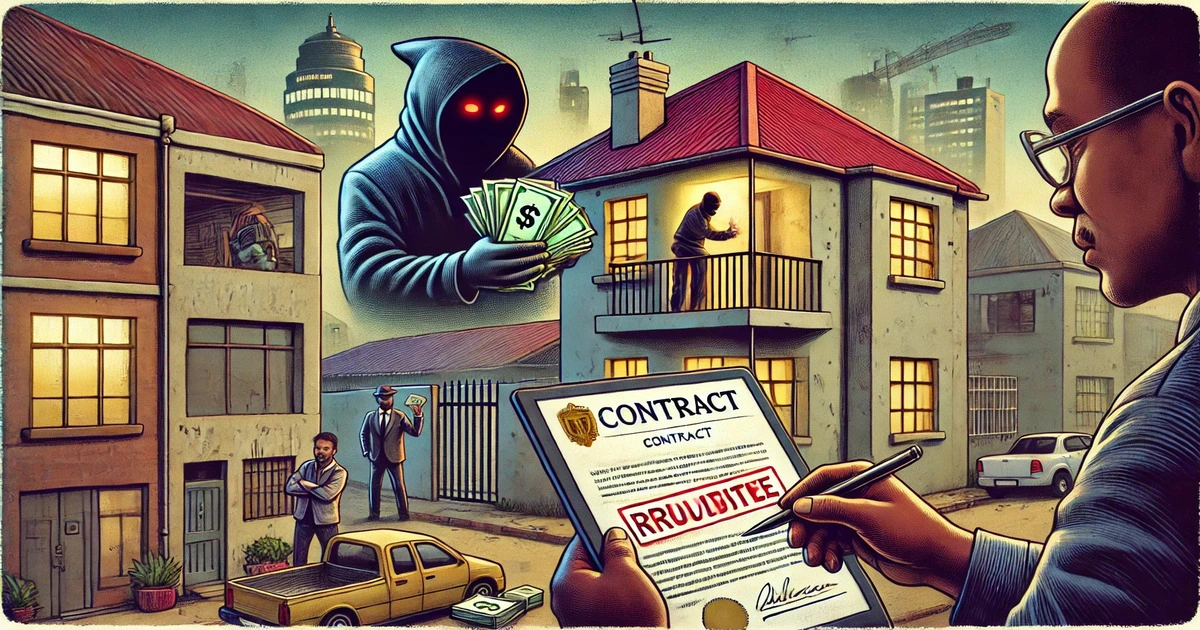
Eviction and the Rental Housing Tribunal: What Tenants and Landlords Must Know
Eviction and the Rental Housing Tribunal: What Tenants and Landlords Must Know is one of the most searched topics in the South African rental market.
Many landlords and tenants are unsure of how the Tribunal fits into the eviction process, what powers it has, and what protections it offers. Misunderstanding these rules often leads to illegal actions, delays, and disputes that could have been avoided.
Eviction and the Rental Housing Tribunal: What Tenants and Landlords Must Know explains the limits of the Tribunal’s authority and the proper legal route for eviction, ensuring both parties remain compliant with the Rental Housing Act and the Prevention of Illegal Eviction Act.
This is essential reading for anyone facing rental arrears, harassment, lockouts, or eviction threats.
Understanding the Tribunal’s Role in Eviction
The Rental Housing Tribunal plays a vital role in resolving rental disputes, but it does not have the power to authorise or enforce evictions. Only a court can issue an eviction order.
This makes Eviction and the Rental Housing Tribunal: What Tenants and Landlords Must Know a crucial topic, because many landlords incorrectly believe the Tribunal can order a tenant to vacate.
The Tribunal can confirm that a breach of the lease occurred, but this is not an eviction order. A landlord must still approach the Magistrates’ Court or the High Court to remove a tenant legally.
What the Tribunal Can Do During an Eviction Dispute
Although it cannot sign off on an eviction, the Tribunal has strong powers to intervene in unfair practices that often occur during eviction attempts.
The Tribunal can stop illegal lockouts, illegal disconnections, harassment, and intimidation. It can order landlords to restore utilities or allow tenants back into the property if the eviction was unlawful.
Eviction and the Rental Housing Tribunal: What Tenants and Landlords Must Know emphasises that these protections apply regardless of whether a tenant is in arrears. A landlord must still follow the correct legal route.
The Tribunal can also confirm monetary disputes, clarify rights of access, settle maintenance arguments, and issue rulings that support a future court eviction if necessary.
What the Tribunal Cannot Do in Eviction Matters
The Tribunal cannot issue eviction orders, authorize sheriffs, or provide vacant possession. It cannot terminate leases. It does not enforce the PIE Act procedures, and it cannot override a court.
Eviction and the Rental Housing Tribunal: What Tenants and Landlords Must Know makes it clear that the Tribunal is a dispute-resolution body, not an eviction authority.
The Tribunal also cannot force a landlord to accept partial payments, cancel arrears, or allow tenants to stay after a lawful court order has been granted. These matters fall strictly within the court’s jurisdiction.
Using the Tribunal for Evidence Before an Eviction
Many landlords use the Tribunal strategically to build evidence before approaching the court. When the Tribunal confirms rental arrears, damage, or a lease breach, it creates a legally binding record that strengthens an eviction case.
For tenants, the Tribunal can confirm that landlords’ actions are unlawful. These findings can delay or affect the outcome of an eviction application in court.
Eviction and the Rental Housing Tribunal: What Tenants and Landlords Must Know highlights the importance of this evidence, as courts often rely on proper documentation to determine fairness.
How Tenants Benefit From Tribunal Intervention
Tenants facing eviction often experience illegal conduct such as lockouts, threats, or utility disconnection. The Tribunal is specifically designed to stop these actions and to protect tenants during the eviction process.
Tenants can file complaints quickly and free of charge. Once the Tribunal accepts a complaint, landlords are prohibited from continuing their illegal conduct until the dispute is resolved.
Eviction and the Rental Housing Tribunal: What Tenants and Landlords Must Know underscores that the Tribunal is a safe and accessible platform for tenants who need immediate protection.
How Landlords Benefit From Tribunal Findings
Landlords benefit from having disputes clarified before applying for eviction. Tribunal rulings on arrears, access, or breaches provide credibility and help courts better understand the facts.
When a landlord follows the Tribunal process and respects tenant rights, courts view the eviction application more favorably. This reduces the risk of delays, postponements, or tenant defenses based on alleged unfair practices.
Eviction and the Rental Housing Tribunal: What Tenants and Landlords Must Know highlights that compliance improves the outcome of formal eviction proceedings.
Illegal Evictions and How the Tribunal Responds
Illegal evictions are common across South Africa. These include lockouts, changing locks, cutting water or electricity, intimidation, or removing a tenant’s belongings.
The Tribunal can act quickly to reverse these actions and can refer criminal behavior to SAPS. It can order reconnection, re-entry, and compensation for losses that occurred during the illegal eviction.
Eviction and the Rental Housing Tribunal: What Tenants and Landlords Must Know stresses that illegal eviction is unlawful and exposes landlords to criminal charges and civil claims.
When Court Eviction Is the Only Legal Option
Court eviction is mandatory whenever a landlord needs vacant possession. The Tribunal cannot bypass this step. The court will consider fairness, notice periods, breach history, arrears, and the tenant’s personal circumstances under the PIE Act.
After a lawful court order, the sheriff carries out the eviction. Any attempt to evict without the sheriff is illegal. This step completes the full picture of Eviction and the Rental Housing Tribunal: What Tenants and Landlords Must Know.
Conclusion
Eviction and the Rental Housing Tribunal: What Tenants and Landlords Must Know helps both landlords and tenants understand the Tribunal’s authority, its strengths and limitations. The Tribunal cannot evict, but it can resolve disputes, stop illegal conduct, and create evidence used in court.
For landlords, this ensures a legally compliant process. For tenants, it provides immediate protection against unlawful eviction attempts. Knowing the correct procedure prevents conflict and ensures fair outcomes for both parties.
Don’t go through it alone — South Africa’s landlords stand together.
When you join the Landlords Association of South Africa, you gain more than just membership; you gain a robust network of support. From expert legal advice and vital landlord resources to guidance on dealing with problem tenants, we stand with you every step of the way.
For just 2 rand a day, you can access professional advice, proven tools, and a community that understands the challenges of both commercial and residential property management.
Join today and experience the confidence of knowing you’re never facing it alone.
Our Top Read Blogs:
How to Sell a House in South Africa Fast
Complete Process of Tenant Eviction in South Africa
What Can I Do If A Tenant Is Neglecting My Property
Useful External Links
https://www.gov.za/documents/rental-housing-act
Disclaimer:
This post is for general use only and is not intended to offer legal, tax, or investment advice; it may be out of date, incorrect, or maybe a guest post. You are required to seek legal advice from a solicitor before acting on anything written hereinabove.