Can the Rental Housing Tribunal Stop an Eviction? Understanding Tenant Protections
Can the Rental Housing Tribunal Stop an Eviction? Understanding Tenant Protections is one of the most frequently searched topics by South African tenants facing pressure, threats, or illegal eviction attempts.
Confusion about the Tribunal’s role often leads to panic, unnecessary conflict, and unlawful action by both landlords and tenants.
Can the Rental Housing Tribunal Stop an Eviction? Understanding Tenant Protections is essential reading for anyone involved in a rental conflict, whether you are a landlord seeking vacant possession or a tenant facing sudden eviction threats.
The Tribunal cannot issue an Eviction Order.
The first thing to understand in Can the Rental Housing Tribunal Stop an Eviction? Understanding Tenant Protections is that the Tribunal cannot authorise an eviction.
Only a Magistrate’s Court or High Court may issue a lawful eviction order under the Prevention of Illegal Eviction Act.
This means landlords must follow the correct legal route. It also means tenants should not be misled into thinking they can be removed solely through a Tribunal ruling. Evictions fall strictly under judicial authority.
The Tribunal Can Stop Illegal Evictions
Although the Tribunal cannot authorise an eviction, it can stop unlawful evictions immediately. This is one of its strongest tenant protections.
The Tribunal can order a landlord to restore access, return keys, reconnect utilities, or allow a tenant back into the property if the eviction attempt was illegal.
This raises the question: Can the Rental Housing Tribunal Stop an Eviction? Understanding Tenant Protections is extremely important for tenants who experience unlawful lockouts or harassment.
The Tribunal may also refer criminal conduct to SAPS if a landlord acts outside the law.
How the Tribunal Protects Tenants During Eviction Threats
Tenants often face intimidation, threats, disconnections, or pressure to leave without a court order. The Tribunal provides powerful protection by intervening quickly when a tenant files a complaint.
Can the Rental Housing Tribunal Stop an Eviction? Understanding Tenant Protections explains that once a complaint is lodged, landlords may not take unilateral action. The Tribunal can issue directives preventing illegal activities until the dispute is resolved.
This gives tenants breathing room, safety, and formal oversight while the matter is processed.
How Tribunal Findings Affect Court Eviction Cases
While the Tribunal cannot stop a lawful court eviction, it can influence the court’s view of the case. If the Tribunal finds that a landlord acted illegally, failed to maintain the property, or violated tenant rights, the court may delay, question, or reject the eviction application.
Can the Rental Housing Tribunal Stop an Eviction? Understanding Tenant Protections highlights this crucial point: Tribunal findings become robust evidence in court.
Similarly, if a tenant has breached the lease, the Tribunal’s findings may strengthen the landlord’s case for eviction.
When a Tenant Should Approach the Tribunal Immediately
Tenants should approach the Tribunal urgently if they experience lockouts, utility disconnections, threats, harassment, refusal to accept rent, intimidation, or attempts to remove belongings.
Can the Rental Housing Tribunal Stop an Eviction? Understanding Tenant Protections emphasises that these actions are illegal and can be reversed by the Tribunal without court involvement.
The Tribunal provides tenants with quick, free protection while assessing the broader dispute.
When a Landlord Must Use the Court Instead
A landlord must use the court to obtain vacant possession of the property. The Tribunal cannot assist with this step. Even if the Tribunal confirms a breach, rent arrears, or misconduct, only a judge may issue an eviction order.
Can the Rental Housing Tribunal Stop an Eviction? Understanding Tenant Protections ensures clarity for landlords who mistakenly believe the Tribunal can remove a tenant.
The legal route requires proper notice, fair procedure, and a court order carried out by the sheriff.
Illegal Evictions and the Tribunal’s Response
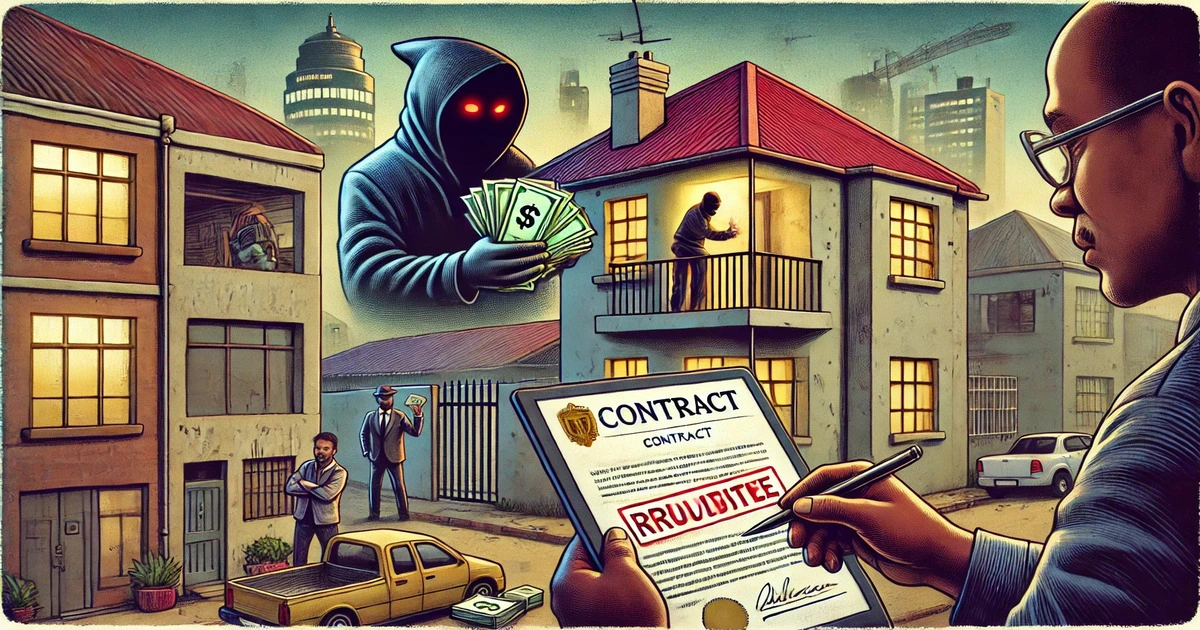
Illegal evictions are rising across South Africa. These include changing locks, removing tenant belongings, cutting electricity or water, and forcing tenants out through threats.
Can the Rental Housing Tribunal Stop an Eviction? Understanding Tenant Protections highlights the Tribunal’s ability to reverse illegal actions and order immediate restoration of occupation. This protection is critical, especially for vulnerable tenants or families with children.
The Tribunal may also issue further directives to prevent ongoing abuse.
Conclusion
Can the Rental Housing Tribunal Stop an Eviction? Understanding Tenant Protections shows that while the Tribunal cannot stop a lawful court eviction, it offers strong protection against illegal evictions and abusive conduct.
It ensures tenants are not forced out unlawfully and helps landlords follow the correct legal route. By knowing your rights and approaching the Tribunal early, you can prevent harm, stop illegal actions, and ensure the eviction process remains fair and lawful.
Don’t go through it alone — South Africa’s landlords stand together.
When you join the Landlords Association of South Africa, you gain more than just membership; you gain a robust network of support. From expert legal advice and vital landlord resources to guidance on dealing with problem tenants, we stand with you every step of the way.
For just 2 rand a day, you can access professional advice, proven tools, and a community that understands the challenges of both commercial and residential property management.
Join today and experience the confidence of knowing you’re never facing it alone.
Our Top Read Blogs:
How to Sell a House in South Africa Fast
Complete Process of Tenant Eviction in South Africa
What Can I Do If A Tenant Is Neglecting My Property
Useful External Links
Disclaimer:
This post is for general use only and is not intended to offer legal, tax, or investment advice; it may be out of date, incorrect, or maybe a guest post. You are required to seek legal advice from a solicitor before acting on anything written hereinabove.