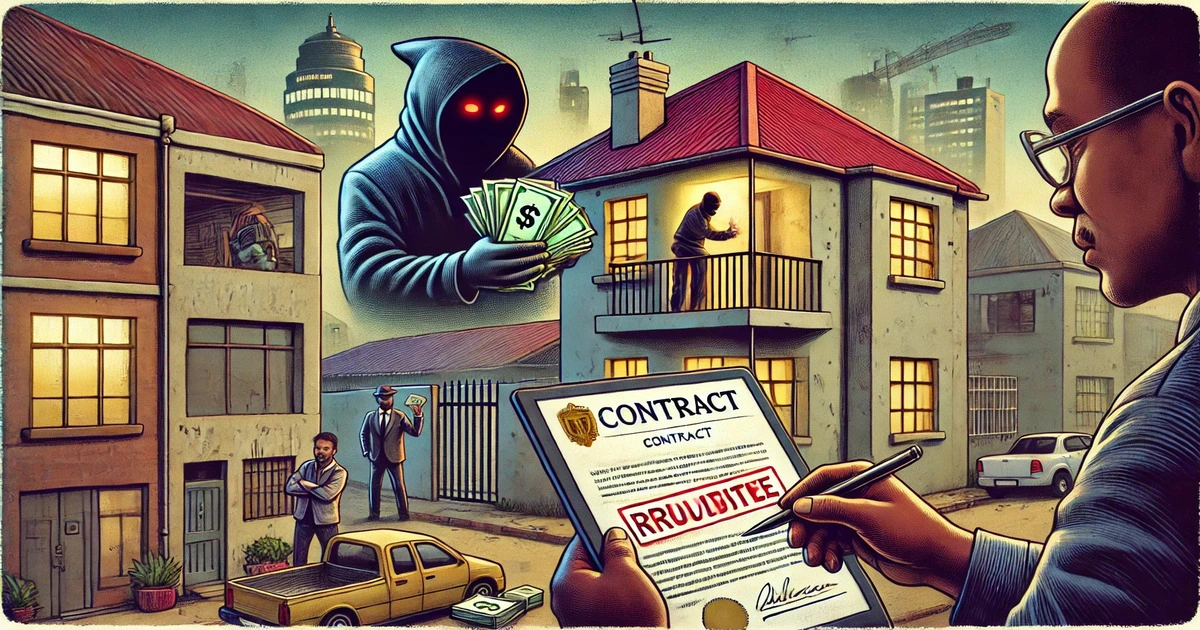
Dealing with Non-Payment of Rent: Legal Options and Practical Tips
Non-payment of rent is one of the most common and frustrating challenges landlords face in South Africa. Late or missing rent not only disrupts cash flow but can also create financial stress, particularly if the rental income is being used to cover mortgage repayments, rates, and maintenance costs.
Fortunately, South African law provides clear procedures and remedies for landlords dealing with tenants who fail to fulfil their obligations. At the same time, there are practical steps that can help prevent disputes from escalating.
Understanding Your Rights as a Landlord
In South Africa, the landlord–tenant relationship is governed primarily by the Rental Housing Act 50 of 1999, the Consumer Protection Act 68 of 2008 (CPA), and the Prevention of Illegal Eviction from and Unlawful Occupation of Land Act 19 of 1998 (PIE Act).
These laws outline the rights of tenants, the obligations of landlords, and the legal remedies available when tenants breach lease agreements.
A lease agreement is a binding contract. When a tenant fails to pay rent, they are in breach of that contract.
Landlords, however, must follow the due legal process when enforcing their rights. Self-help measures, such as changing locks or disconnecting utilities, are unlawful and can expose landlords to claims for damages.
Step 1: Confirm the Breach
Before taking any action, landlords should confirm that the tenant is in actual breach. This involves:
- Checking the lease terms to review what the agreement says about rental due dates and penalties.
- Documenting the breach, including missed payments, dates, and communication attempts.
- Allowing any grace period stated in the lease or under the law.
Accurate documentation strengthens the landlord’s position should the matter proceed to the tribunal or the Court.
Step 2: Communicate With the Tenant
Non-payment sometimes arises from temporary financial hardship or misunderstandings. Before escalating:
- Send a polite reminder once rent is overdue.
- Contact the tenant directly to discuss the issue.
- Offer a short-term payment plan if appropriate.
Early communication can resolve many disputes without the need for legal action.
Step 3: Issue a Letter of Demand
If informal communication fails, the next step is to issue a formal letter of demand. This letter should:
- Clearly state the rent outstanding.
- Refer to the lease clause breached.
- Provide a reasonable period, usually 7 to 20 business days, depending on the CPA, to pay.
- Warn that failure to comply will result in cancellation of the lease and possible eviction.
This is a crucial step as tribunals and courts require proof that the tenant was given proper notice.
Step 4: Cancel the Lease Agreement
If the tenant still fails to pay, the landlord may cancel the lease in writing. Once cancelled, the tenant loses their legal right to occupy the property. However, landlords may not remove tenants themselves. An eviction order through the Court is required under the PIE Act.
Step 5: Tribunal or Court Action
Landlords can approach either:
- Rental Housing Tribunal (RHT): A free service that resolves disputes and can issue binding rulings, but cannot grant evictions.
- Magistrate’s Court or High Court: The only bodies that can grant eviction orders. The process involves serving papers, a court hearing, and a ruling based on what is just and equitable.
Evicting without a court order is unlawful and may lead to criminal charges.
Step 6: Enforce the Eviction
If the Court grants an eviction, the tenant is usually given 14 to 30 days to vacate. If they refuse, the sheriff of the Court is authorised to remove them lawfully.
Recovering Arrears
Besides eviction, landlords can pursue unpaid rent through:
- Magistrate’s Court for claims up to R200,000.
- High Court for larger amounts.
- Small claims court for claims under R20,000.
Judgments may be enforced by attaching assets or garnishing wages; however, recovery can be challenging if the tenant has no means to pay.
Practical Tips to Prevent Non-Payment
While legal remedies exist, prevention is far better. Some strategies include:
- Screening tenants thoroughly with credit checks and references.
- Use clear lease agreements that outline rent due dates and penalties.
- Collecting a security deposit to cover arrears or damages.
- Acting promptly when arrears arise.
- Considering professional property management.
- Looking into rental insurance products.
The Role of the Landlords Association of South Africa (LASA)
The Landlords Association of South Africa offers landlords free legal documents, template letters, and expert advice on handling non-payment.
Members also benefit from guidance on tribunal cases, eviction procedures, and compliance with the Rental Housing Act. LASA helps landlords handle disputes professionally and in accordance with the law.
FAQs
What can I do if my tenant does not pay rent in South Africa?
You should issue a written demand letter. If payment is not made, you may cancel the lease and pursue an eviction order through the Court.
How long does an eviction take in South Africa?
It typically takes between two and six months, depending on whether the tenant opposes the application and court availability.
Can I charge late payment penalties?
Yes, if the lease agreement allows. Penalties must be fair and lawful under the National Credit Act.
Does the Rental Housing Tribunal evict tenants?
No. The tribunal can resolve disputes but cannot grant eviction orders. Only a court can do so.
Is it necessary to use a lawyer?
You can represent yourself in the Magistrate’s Court, but a lawyer is highly recommended to ensure compliance and avoid errors.
Conclusion
Non-payment of rent in South Africa can create severe financial pressure, but landlords have clear legal remedies. The process begins with communication and letters of demand, followed by lease cancellation and, if necessary, eviction through the courts.
At the same time, careful tenant screening, clear contracts, and professional support can prevent disputes before they begin. By combining legal action with practical measures, landlords can protect their investments and ensure compliance with the law.
Don’t go through it alone — South Africa’s landlords stand together.
When you join the Landlords Association of South Africa, you gain more than just membership; you gain a robust network of support. From expert legal advice and vital landlord resources to guidance on dealing with problem tenants, we stand with you every step of the way.
For just 2 rand a day, you can access professional advice, proven tools, and a community that understands the challenges of both commercial and residential property management.
Join today and experience the confidence of knowing you’re never facing it alone.
Our Top Read Blogs:
How to Sell a House in South Africa Fast
Complete Process of Tenant Eviction in South Africa
What Can I Do If A Tenant Is Neglecting My Property
Useful External Links
Consumer Protection Act 68 of 2008: https://www.gov.za/documents/consumer-protection-act
Prevention of Illegal Eviction (PIE) Act: https://www.gov.za/documents/prevention-illegal-eviction-and-unlawful-occupation-land-act
Disclaimer:
This post is for general use only and is not intended to offer legal, tax, or investment advice; it may be out of date, incorrect, or maybe a guest post. You are required to seek legal advice from a solicitor before acting on anything written hereinabove.